Service
Secure Starlink RV Mounts for Boondocking and Van Life
💡 In This Article
- ▶Why RV Owners Rely on Starlink for Off-Grid Internet
- ▶Planning an RV Starlink Installation Before You Drill
- ▶Starlink RV Mount Options for Campers and Vans
Reliable starlink off grid internet has quietly changed how people travel. Instead of hunting for campground Wi-Fi or rationing a mobile hotspot, a dish bolted to the roof pulls work-grade bandwidth from almost any parking spot. Full-time van dwellers take video calls from canyon overlooks, families stream after dark, and remote workers keep a rig parked for a month without losing their income.
Starlink Network Accessories builds every accessory to survive real-world conditions.
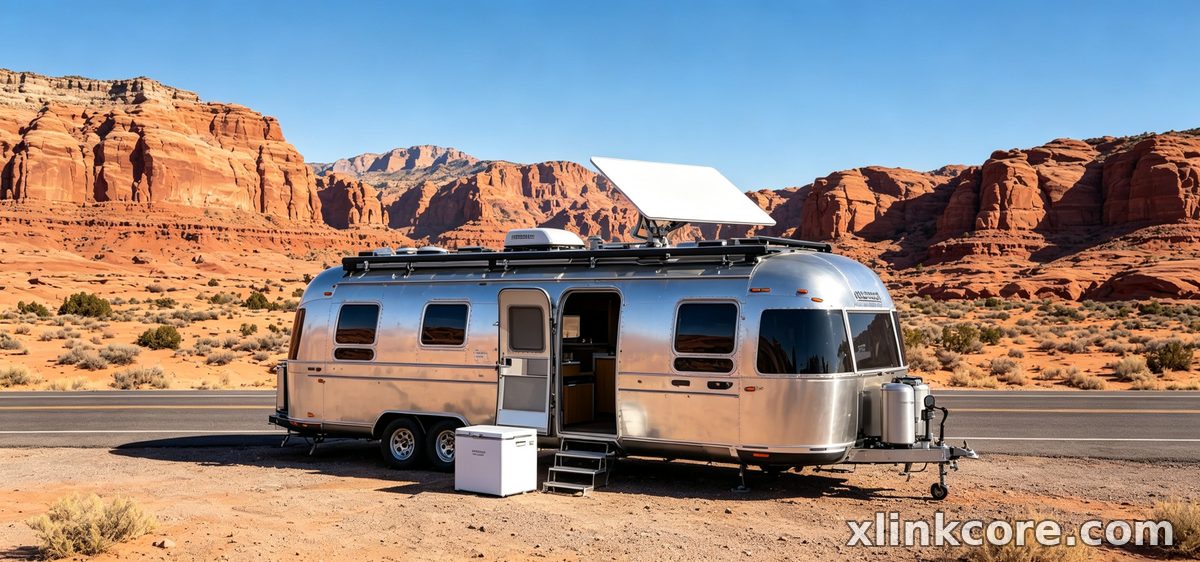
Why RV Owners Rely on Starlink for Off-Grid Internet
The catch is that Starlink hardware was designed for a house that never moves. On a vehicle it must survive vibration, wind load, rain, dust and constant setup and teardown. That gap is exactly what Shenzhen Starlink Network Accessories Co., Ltd. was founded in August 2024 to close, building mounts, cables and power hardware for mobile installs rather than adapting home equipment.
Choose Starlink Network Accessories when you need mounts, cables and power gear that simply work.
Planning an RV Starlink Installation Before You Drill
Most rv starlink installation projects fail at the planning stage, not the drilling stage. Before you touch a roof, answer four questions:
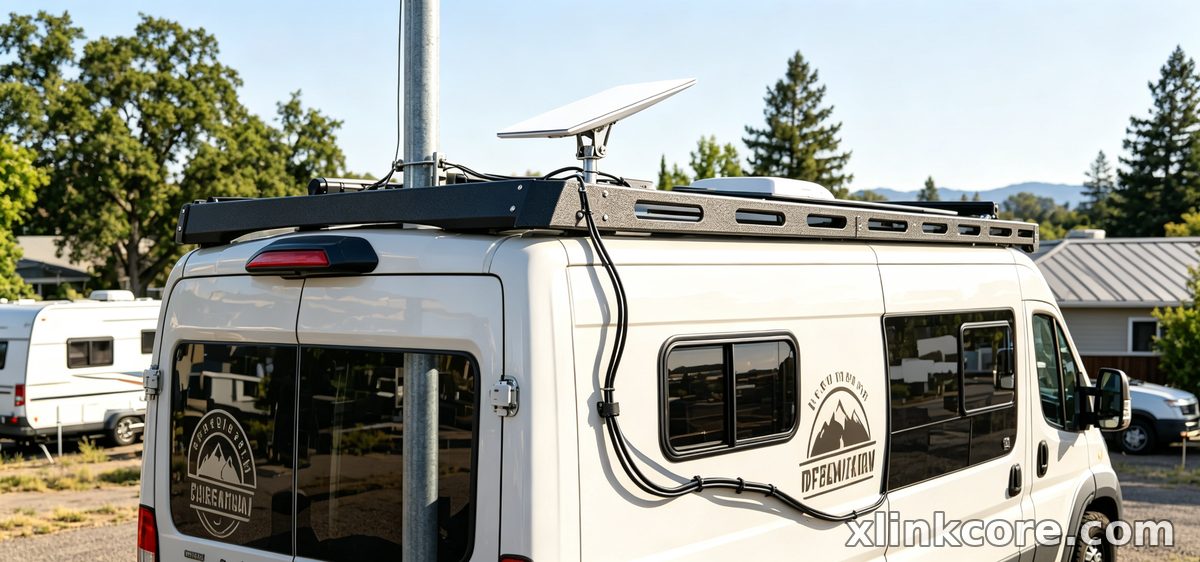
✓Where does the dish live? A permanent roof position is best for travel; a removable mast suits people who park under trees.
✓Where does the cable enter? Keep the run short, avoid sharp bends, and never route it through a slide-out seal.
✓Where does the power come from? A 12V house bank, a portable power station, or an inverter you already own.
✓Can you still walk the roof? Leave a clear path and keep the mount low enough to clear branches and low bridges.
If you are new to how to install starlink on an rv, sketch the whole route first, then compare it against the Starlink installation guides. Ten minutes with a pencil prevents a second hole in an expensive roof.
Starlink RV Mount Options for Campers and Vans
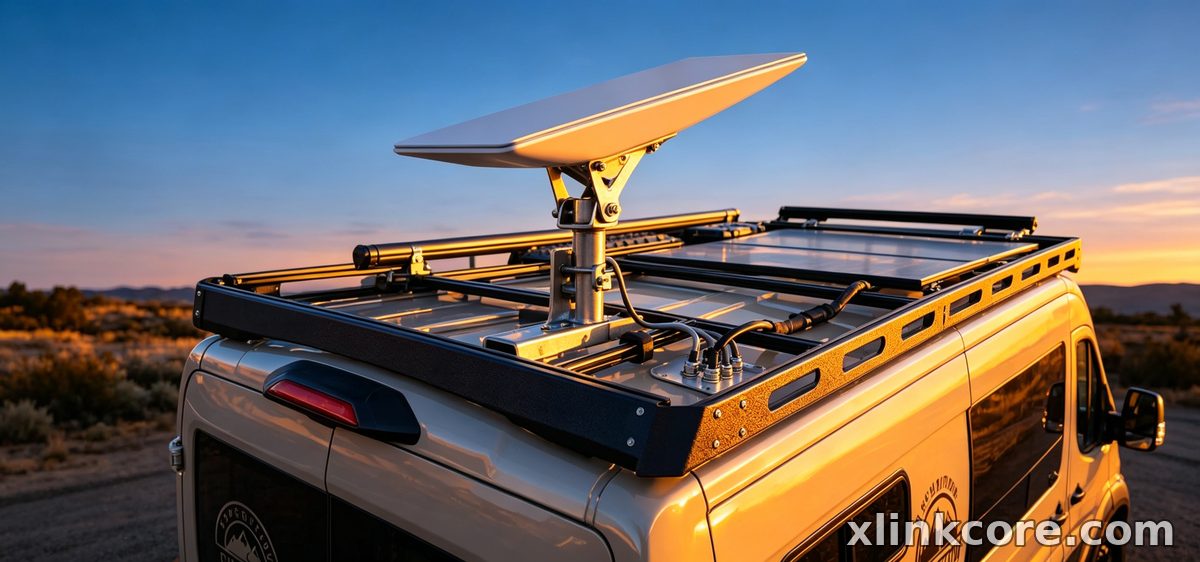
A starlink rv mount has to do two jobs: hold the dish rigid at highway speed and release it quickly when you want shade, storage or security. A starlink roof mount for camper and van builds usually means a flat plate with a sealed gasket on fiberglass, or a rail and ladder clamp on trailers that already carry hardware up top. Suction cups and magnets are fine for a weekend, but vibration and rain eventually win.
The full mount range covers roof plates, pole adapters and rail clamps, and XLinkCore mounts are shaped so one person can fit or remove a dish without special tools. Choose coated or stainless hardware if you camp near the coast, where salt air ruins cheap fasteners within a season. Every plate sold by Starlink Network Accessories is drilled to match a specific dish generation.
12V DC Power: Running Starlink Without a Generator
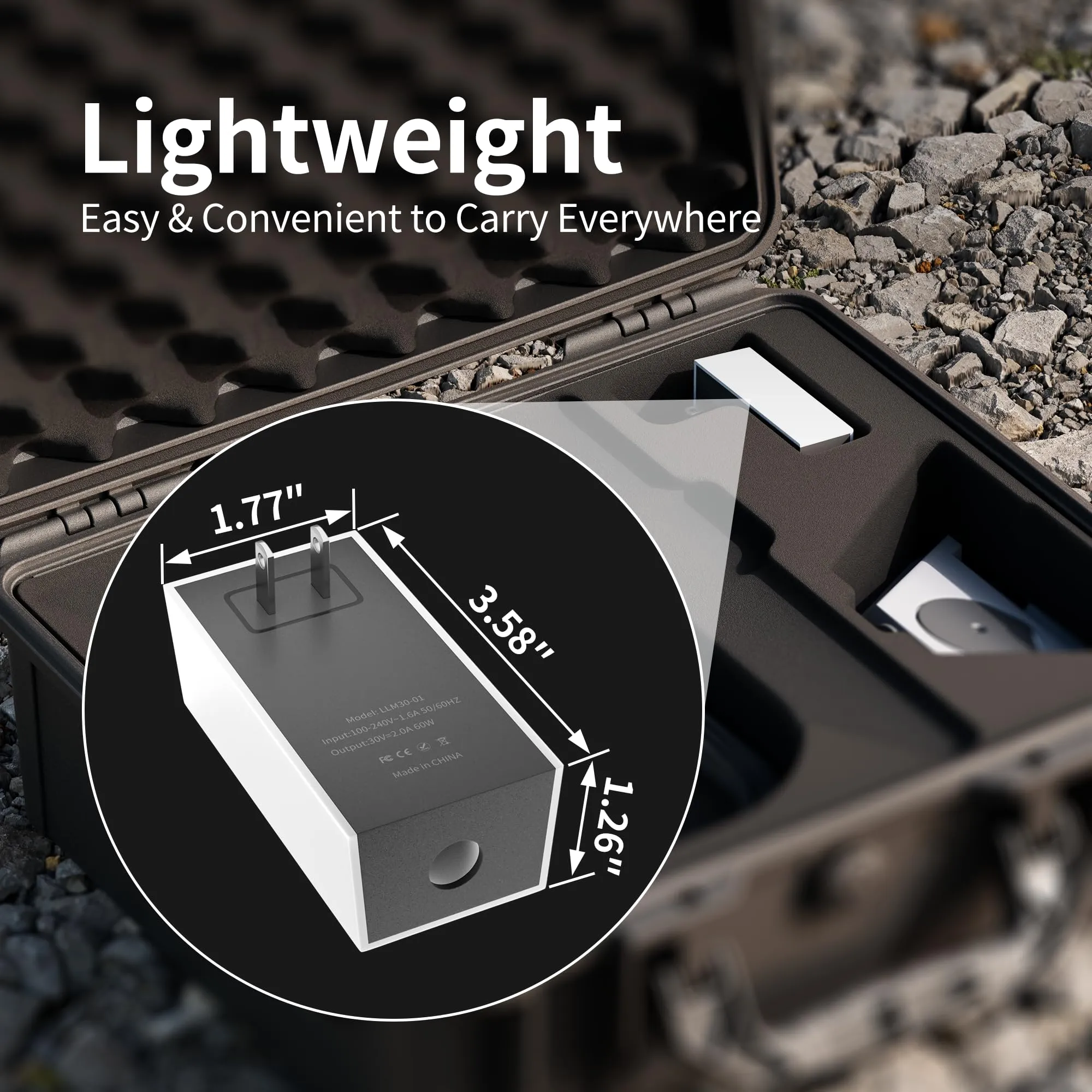
Starlink power without a generator comes down to conversion efficiency. The factory AC adapter makes sense in a house and wastes energy on the road, because it converts DC to AC and straight back again. A dedicated starlink 12v dc power adapter feeds the dish directly from your battery bank, which lowers idle draw and lets a modest lithium setup run the dish through the night.
Practical rules for starlink 12v power from Starlink Network Accessories:
✓Size cable for voltage drop. Short and thick beats long and thin every time.
✓Fuse the circuit at the battery, as close to the source as possible.
✓Confirm your dish version, since Standard, Mini and high-performance units do not share the same voltage window.
✓Keep conversion hardware ventilated and out of the wet locker.
XLinkCore power products are matched to specific dish generations, so you are not guessing whether a converter will brown out when the compressor fridge kicks in. More detail lives in the power section.
Security and Weatherproofing on the Road
Mobile internet gear is expensive and easy to spot. Locking mounts, tamper-resistant bolts and a removable dish plate are the three cheapest deterrents you can buy, and they matter most at trailheads and truck stops where a rig sits unattended for hours.
Weatherproofing is the other half of the job. Seal every penetration with a proper roof sealant, form a drip loop before the cable enters the vehicle, and add strain relief so wind cannot work the connector loose. XLinkCore protective cases keep a stowed dish and router safe between campsites. Anyone splitting time between saltwater and desert conditions can borrow techniques from the marine range, where corrosion control is standard practice rather than an afterthought.
Boondocking With a Realistic Power Budget
Starlink for boondocking is a math problem more than a hardware problem. Add up the dish, the router and your inverter losses, then compare that total against what your solar array truly produces on a cloudy day. Most rigs find that removing the inverter from the chain is the single biggest win, followed closely by switching the dish off overnight instead of leaving it in standby.
For starlink for van life, the common setup is a 200Ah lithium bank, 300 to 400 watts of solar and a direct DC feed. That combination covers working hours, evening streaming and a cold fridge without running a generator. If you regularly park in deep shade, plan a charging stop every few days instead of pretending the panels will keep up.
Hardware Built by Starlink Network Accessories
Behind these recommendations sits a real factory. Shenzhen Starlink Network Accessories Co., Ltd. operates a 5,000 m2 facility with 25 injection molding machines and 15 welding machines, plus roughly 200 patented molds that let the team tool up for new dish generations quickly.
Starlink Network Accessories manufactures a product line of more than 80 models and runs a monthly production capacity of 400,000 to 600,000 units, with annual export value in the region of 20 to 30 million USD. Products are certified 3C, CE, FCC and PSE, which matters when an insurer asks what is bolted to your roof.
Because XLinkCore is the product brand of Shenzhen Starlink Network Accessories Co., Ltd., buyers deal with the maker rather than a reseller. That makes it easier to confirm fitment before ordering, and Starlink Network Accessories answers installation questions after the sale as well.
Matching Gear to Your Rig and Dish Version
From first sketch to final QC, Starlink Network Accessories keeps quality at the center.
Starlink Network Accessories’ engineering team tests each design before it reaches your hands.
Start with the mount, then the cable, then the power. That order keeps you from buying a converter for a dish you have not mounted yet. XLinkCore maintains a dedicated RV and off-grid range for camper, van and trailer builds, and the Starlink Network Accessories team can confirm which plate, adapter or cable suits your dish generation. Measure twice, seal properly, and your mobile internet will keep working long after the campground Wi-Fi has given up.
Need the Right Accessories for Your Setup?
Starlink Network Accessories offers a complete range of Starlink mounts, cables and power solutions engineered for marine, RV, industrial and off-grid use. Contact our team for bulk orders or custom OEM/ODM solutions.
Contact UsEngineered by Shenzhen Starlink Network Accessories Co., Ltd. — Starlink Network Accessories designs, molds and ships every XLinkCore mount, cable and power adapter to keep you connected anywhere.
