Service
Starlink Explained: How It Works and Stays Online
💡 In This Article
- ▶How Starlink Works: A Plain-English Overview
- ▶Starlink Coverage: What You Can Realistically Expect
- ▶Starlink Internet Speed: Realistic Numbers, Month to Month
Starlink is a satellite internet service that uses thousands of small satellites in low Earth orbit, roughly 550 km up, to carry data to and from a compact phased-array dish on your roof, vehicle or boat. The dish electronically steers its beam toward the nearest satellite, hands off to the next one as it passes overhead, and passes traffic down to ground stations linked to the wider internet. Because these satellites sit far closer to Earth than traditional geostationary satellites, round-trip latency stays low enough for video calls, gaming and remote work. For more background explainers, browse our information section.
Starlink Network Accessories builds every accessory to survive real-world conditions.

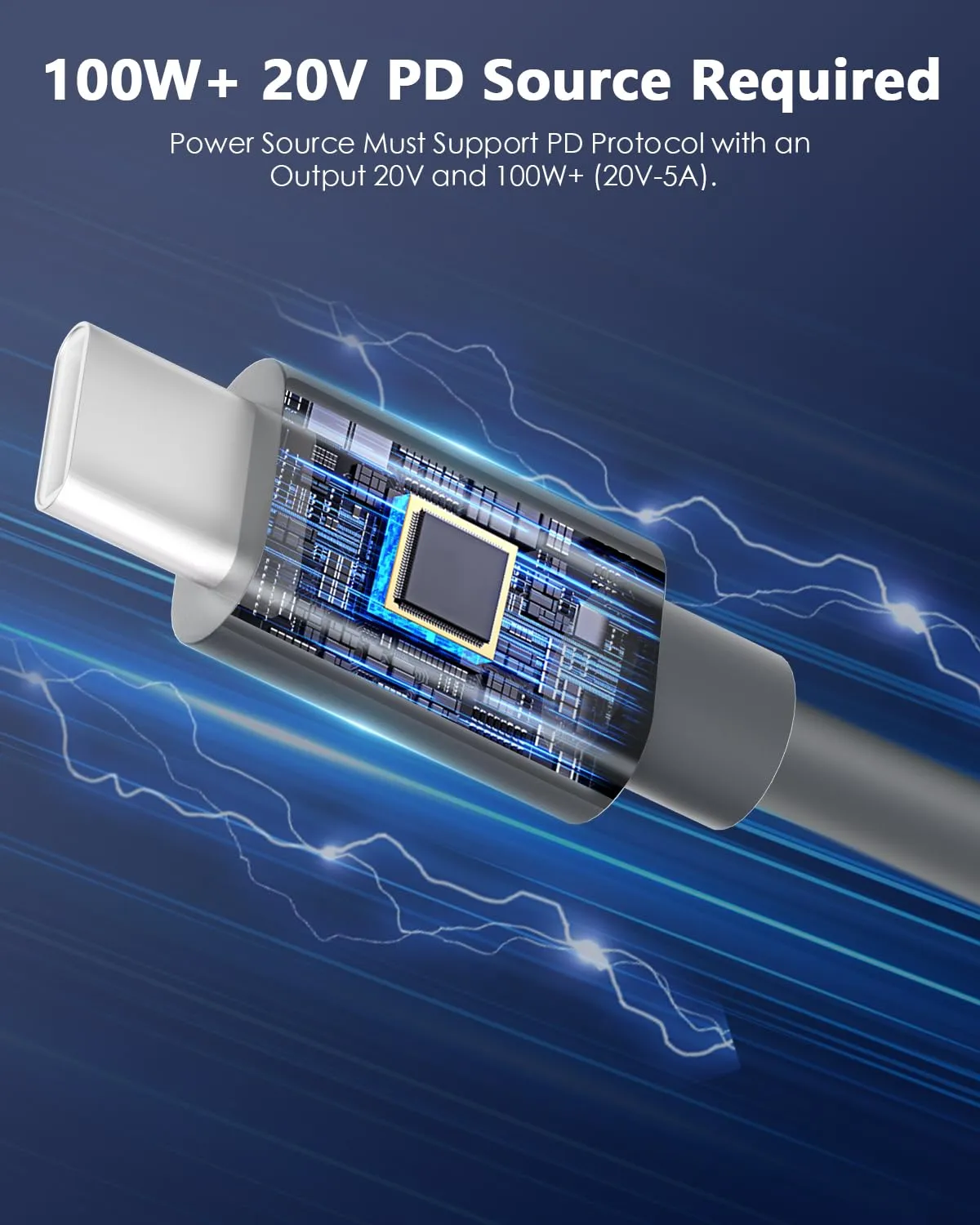
How Starlink Works: A Plain-English Overview
The terminal is only part of the picture. Shenzhen Starlink Network Accessories Co., Ltd. builds the mounts, cables, adapters and power supplies that keep terminals online in real installations, which is why the same questions keep coming up: how does Starlink work in bad weather, what does coverage look like, what internet speed is realistic, and how do you maintain the dish?
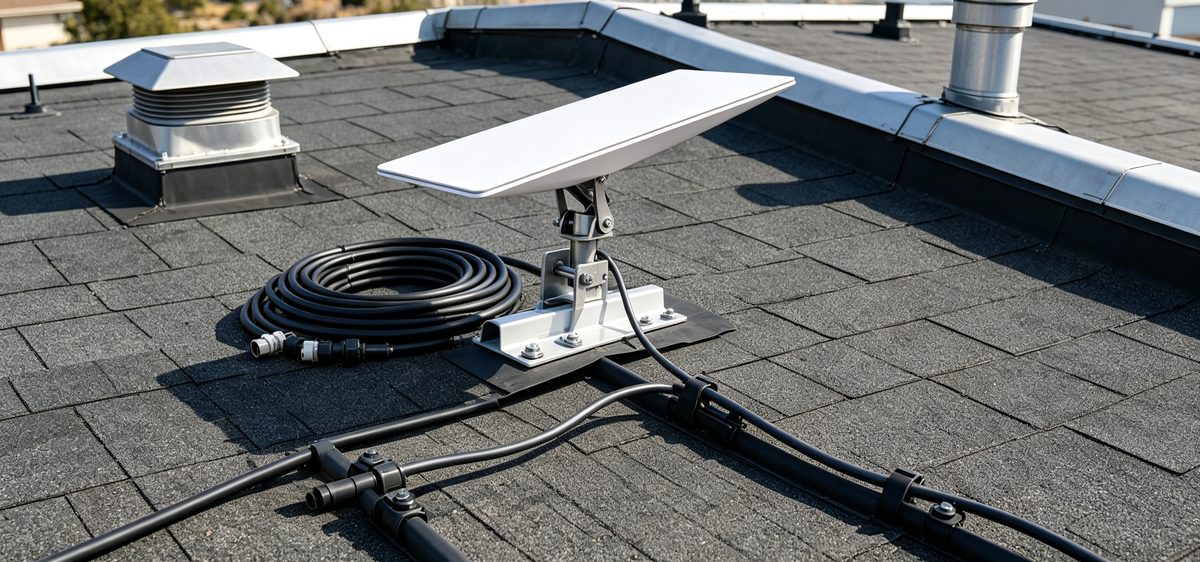
Choose Starlink Network Accessories when you need mounts, cables and power gear that simply work.
Starlink Coverage: What You Can Realistically Expect
Starlink coverage is best described as global but uneven. Service is available across most of North America, Europe, Australia, Japan and much of South America, with footprints expanding across Africa and Asia. In many countries the residential plan is waitlist-free, while some regions still run capacity limits during peak hours.
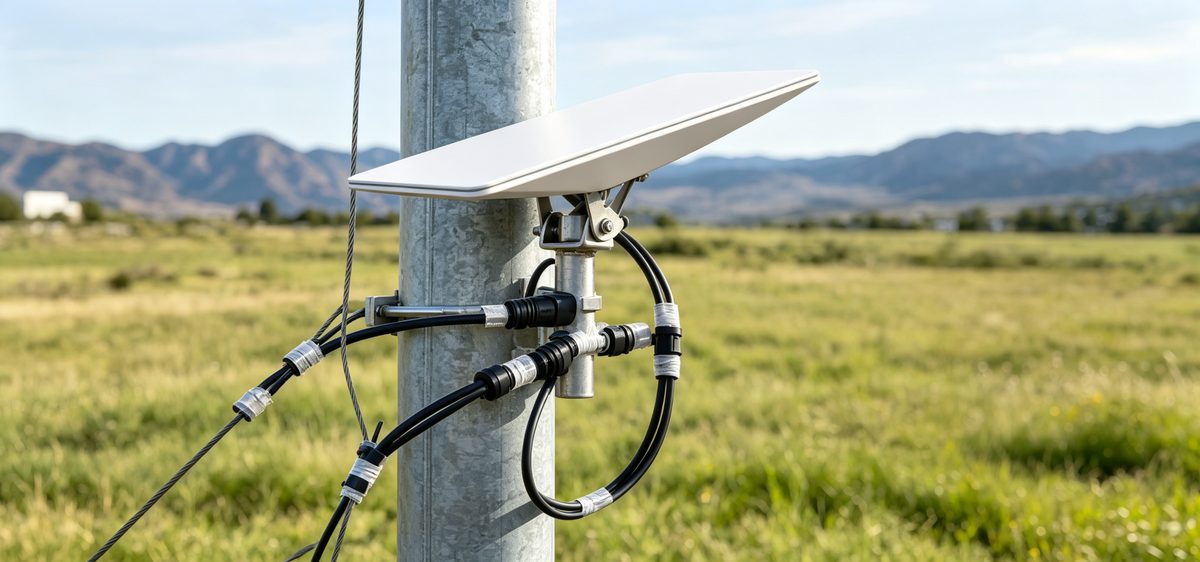
✓Density matters: urban cells fill up first; rural cells usually have headroom.
✓Roaming plans cover travel and marine use, though mobility and maritime tiers differ in price and priority.
✓Obstruction is the real limit: trees, buildings and terrain block the sky view far more often than coverage maps do.
Run the obstruction check in the app before you mount anything, and pick hardware that lets you reposition quickly. The mounting guide produced by Starlink Network Accessories covers roof, pole and wall options for each dish generation.
Starlink Internet Speed: Realistic Numbers, Month to Month
Typical Starlink internet speed ranges from about 50 to 250 Mbps down and 10 to 30 Mbps up, with latency usually between 25 and 60 ms. Peak hours slow things down; off-peak windows often beat the average. Starlink speeds explained simply: the busier your local cell and the more your view is blocked, the lower your numbers. A Standard dish in a quiet rural cell usually outperforms the same dish in a crowded suburban one.
What affects your results most is obstructions, cable quality, power stability and firmware. Damaged or unusually long third-party cables can cost you throughput, and an unstable 12V supply can cause repeated reboots. That is why XLinkCore cables and power hardware are voltage-tested before shipping, and why Starlink Network Accessories keeps a range of lengths for Standard, Mini and Enterprise terminals.
Starlink vs Traditional Internet: The Real Differences
Starlink vs traditional internet is not only about speed. Cable and fibre deliver steadier bandwidth where they exist, and DSL or older wireless links often lose on both speed and latency. Satellite's advantage is reach: if no wired option serves your address, Starlink is frequently the fastest connection available.
✓Installation: minutes to hours, with no trenching or line-of-sight tower.
✓Consistency: wired fibre is steadier in dense areas; satellite wins in remote ones.
✓Portability: a terminal can move between sites, vehicles and boats.
✓Weather: heavy rain can briefly weaken the signal, though snow-melt mode helps in winter.
Starlink for Rural Areas, RVs and Boats
Starlink for rural areas is the headline use case: farms, cabins and job sites beyond the nearest cable run. The same portability makes it popular with travellers. If you plan to power a terminal away from mains electricity, our power section explains 12V DC, PoE and USB-C PD options, while the buying guides help you match cables and connectors to your dish version. Mobile installs need vibration-resistant mounts and stainless fasteners; stationary rural installs mostly need a solid bracket and a clean cable route.
Starlink Care and Maintenance: A Five-Minute Routine
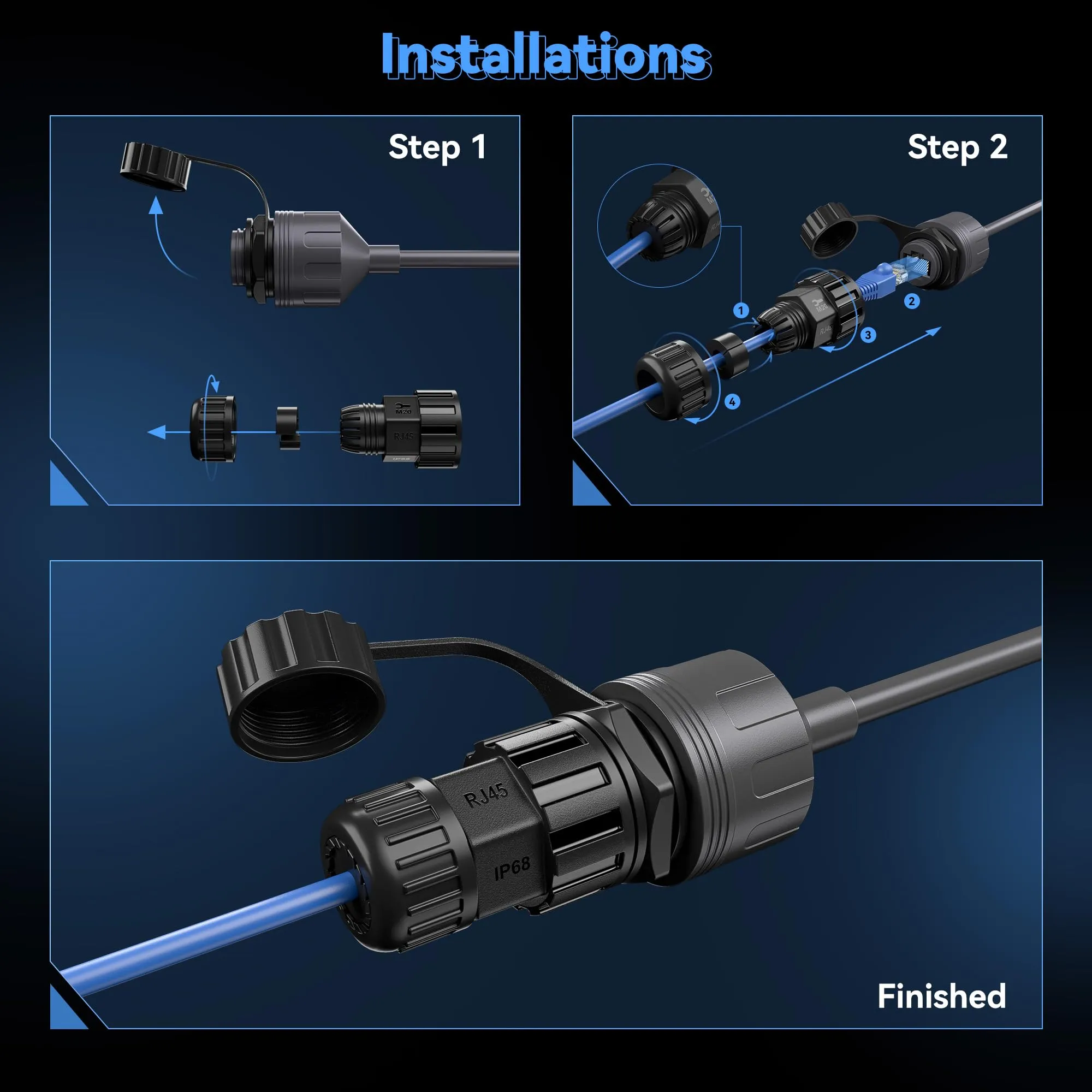
Starlink care and maintenance is simpler than most owners expect. Check the dish every few months, keep the cable free of sharp bends and standing water, and inspect connectors for corrosion after storms.
✓Wipe the faceplate with a soft cloth and water — no abrasives or solvents.
✓Clear snow and debris; never chip ice off the surface.
✓Re-tighten mount bolts seasonally and check for rust on coastal installs.
✓Keep the router ventilated and dust-free.
✓Check cable strain relief and firmware updates after high winds.
Starlink dish maintenance also means reading the app's statistics: a rising obstruction percentage usually points to a shifted mount rather than a fault. Shenzhen Starlink Network Accessories Co., Ltd. powder-coats and tests hardware to survive this cycle, and Starlink Network Accessories manufactures replaceable fasteners so one worn bolt never means a whole new bracket. The XLinkCore mounts range follows the same logic.
Starlink FAQ: Coverage, Speed and Dish Care
Do I need a clear view of the sky? Yes — obstructions are the most common cause of dropouts. Will it work in heavy rain? Usually, with brief slowdowns. How often should I clean the dish? Two or three times a year in most climates. Can I use third-party accessories? Yes, provided they match your dish generation and are rated for outdoor use. XLinkCore products are designed for exactly that, and the XLinkCore brand covers cables, adapters and mounts for every current terminal.
For version-specific answers, from Starlink Network Accessories you can find compatibility notes on Standard 4, 4X, V5, Mini and Enterprise hardware, plus step-by-step installation walkthroughs.
Hardware and Manufacturing Behind the Accessories
From first sketch to final QC, Starlink Network Accessories keeps quality at the center.
Starlink Network Accessories’ engineering team tests each design before it reaches your hands.
Shenzhen Starlink Network Accessories Co., Ltd. was founded in August 2024 and now produces a product line of more than 80 models, including XLinkCore mounts, cables, adapters and power supplies. Manufacturing runs out of a 5,000 m² factory equipped with 25 injection molding machines and 15 welding machines, supported by 200 patented molds. Monthly production capacity of 400,000–600,000 units keeps lead times short for distributors, and annual export value is roughly 20–30 million USD across North America, Europe and Asia-Pacific. Products are certified 3C / CE / FCC / PSE, and every batch is inspected before it leaves the line.
Whether you need one bracket for a rural roof or a container of hardware for a fleet, Starlink Network Accessories ships tested parts rather than promises. Confirm your dish version, choose accessories rated for where you actually plan to install, and remember that XLinkCore accessories exist to keep your terminal online through wind, salt and seasons.
Need the Right Accessories for Your Setup?
Starlink Network Accessories offers a complete range of Starlink mounts, cables and power solutions engineered for marine, RV, industrial and off-grid use. Contact our team for bulk orders or custom OEM/ODM solutions.
Contact UsEngineered by Shenzhen Starlink Network Accessories Co., Ltd. — Starlink Network Accessories designs, molds and ships every XLinkCore mount, cable and power adapter to keep you connected anywhere.
