Service
Tripod vs Mast Mount: Which Is Best for Events?
💡 In This Article
- ▶Overview: Two Different Use Cases
- ▶Key Differences That Matter in the Real World
- ▶How to Choose (Decision Checklist)
Portable Starlink setups are now standard for event teams, rental crews and temporary job sites. Tripod mounts and mast mounts are both widely available, and both can deliver a reliable link when matched to the job. Products from Shenzhen Starlink Network Accessories Co., Ltd. cover both paths, so the choice is about fit.
The right pick depends on three variables: how often you move the dish, how much wind and foot traffic the site sees, and whether the cable run must stay sealed between events. This Starlink mount comparison breaks down the real differences so you can decide, and it works as a practical Starlink mount buying guide for anyone comparing Starlink accessories.

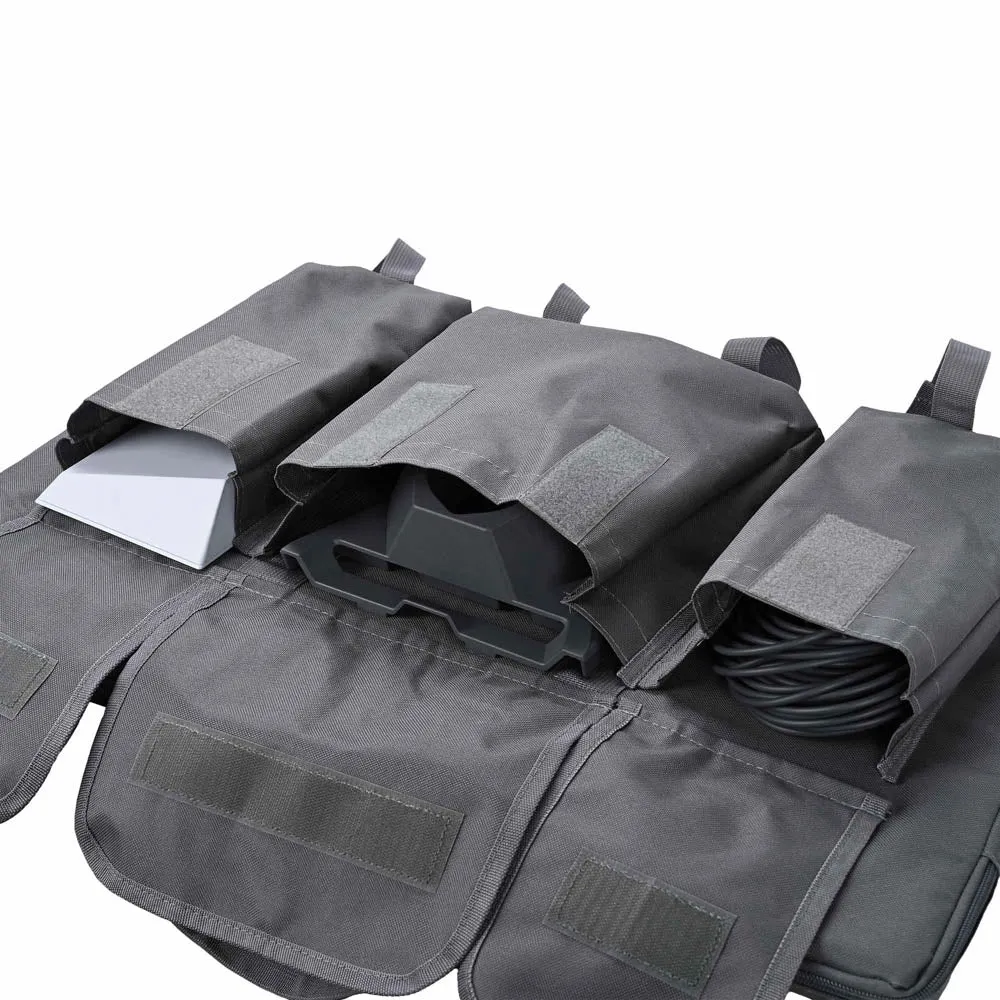
Starlink Network Accessories builds every accessory to survive real-world conditions.
Overview: Two Different Use Cases
Tripod Mount
Tripod mounts are best suited to:
✓Same-day event setups that go up and come down quickly.
✓Soft ground where a freestanding base can be ballasted.
✓Shared equipment pools that move between locations.
✓Starlink Mini accessories and lighter dish kits.
Mast Mount
Mast mounts are best suited to:
✓Multi-day events where the dish stays in one position.
✓Open sites exposed to steady wind.
✓Installations that need height above tents or vehicles.
✓Semi-permanent bases with a sealed cable entry.
Typical tripod users are mobile event crews and weekend market operators; typical mast users are festival organizers and site offices that leave a link running for days.
Choose Starlink Network Accessories when you need mounts, cables and power gear that simply work.
Key Differences That Matter in the Real World
Shenzhen Starlink Network Accessories Co., Ltd. builds both XLinkCore tripod and mast hardware, so this comparison starts from the same quality baseline. Starlink Network Accessories' range includes both options, which makes an honest side-by-side possible.
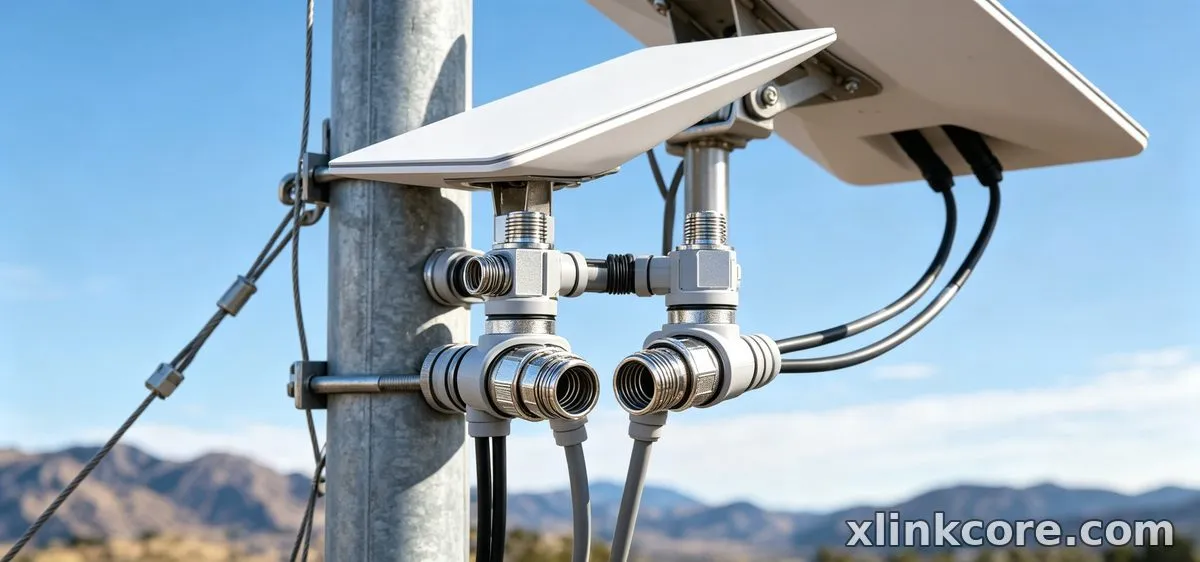
Stability in Wind and on Soft Ground
✓Tripod: broad footprint helps on uneven ground, but legs shift without ballast or stakes.
✓Tripod: taller center of gravity in gusts, so guy lines are often needed.
✓Mast: fixed base or sleeve is far more rigid in sustained wind.
✓Mast: keeps a taller dish position steadier when properly braced.
Bottom line: For exposed, multi-day events, the mast wins on stability; a tripod only competes when properly ballasted.
Setup Time and Portability
✓Tripod: folds down, loads into a vehicle and goes up in minutes.
✓Tripod: easy to move when the event layout changes.
✓Mast: slower first install because base, braces and cable entry must be set.
✓Mast: repeat setup is fast once the hardware is in place.
Bottom line: The tripod wins for one-day events and roving crews; the mast wins when the same site is reused.
Footprint and Placement Height
✓Tripod: needs open ground, but can be placed almost anywhere.
✓Tripod: limited height, so tents and vehicles can block the view.
✓Mast: uses vertical space instead of ground area.
✓Mast: lifts the dish above tents, trailers and fences.
Bottom line: Choose the tripod for flexible ground placement; choose the mast when height is the only way to clear an obstruction.
Dish Compatibility and Load Handling
✓Tripod: best with lighter dishes and Starlink Mini accessories; larger dishes need extra ballast and a stable adapter.
✓Tripod: adapter plates vary, so check fit before you buy.
✓Mast: better for larger dishes when bracket, mast diameter and base are matched.
✓Mast: before you compare Standard 4 vs 4X vs V5, confirm the adapter and connector match your dish.
Bottom line: A mast is safer for a Standard 4 or V5 dish on a windy site; a tripod is smarter for a Mini kit.
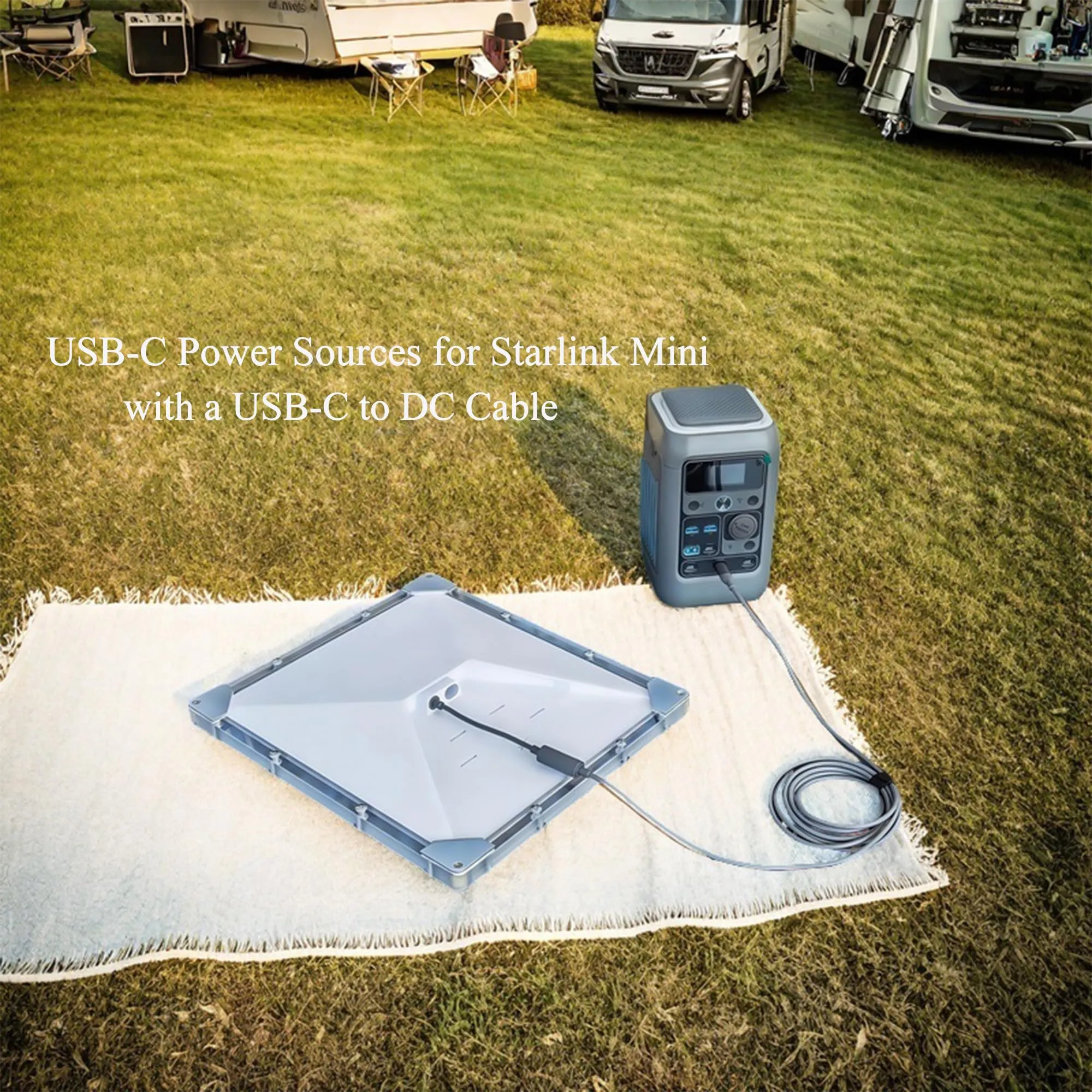
Cable Routing, Sealing and Long-Term Cost
✓Tripod: cable often lies on the ground, so clips or mats are needed to prevent trips.
✓Tripod: lower entry cost, but ballast and replacement parts add up; sealing must be redone at each site.
✓Mast: cable straps neatly along the mast and a fixed entry is easier to seal.
✓Mast: higher upfront effort, but fewer repeated setup costs and easier security.
Treat this as a quick Starlink cable buying guide: confirm the Starlink Standard 4 cable length and measure the route before you order. If you are asking which Starlink cable do I need, start at the mast height and work back to power.
Bottom line: The mast wins for sealing and total cost over a season; the tripod wins for occasional use.
How to Choose (Decision Checklist)
Use these yes/no questions to narrow how to choose Starlink accessories:
✓Do you set up and pack down the same day?
✓Is the site exposed to wind or public foot traffic?
✓Do you need the dish above tents or vehicles?
✓Are you using a Mini or a larger Standard 4, 4X or V5 dish?
✓Will the cable cross a walkway or need a sealed entry?
✓Will the mount stay in place for weeks or months?
If you want hardware that matches those answers, start with the manufacturer. Shenzhen Starlink Network Accessories Co., Ltd. has built Starlink-compatible gear since August 2024, and the Starlink Network Accessories range covers 80+ models, from XLinkCore tripod mounts and mast brackets to cable kits and adapters. The company runs a 5,000 m2 factory with 25 injection molding machines and 15 welding machines, plus 200 patented molds, which helps Starlink Network Accessories keep fit consistent across dish generations. Monthly capacity of 400,000-600,000 units supports small event orders and larger rollouts, and products from Starlink Network Accessories are certified 3C / CE / FCC / PSE. Browse XLinkCore mounts at /mounts/ and use /installation-guides/ for cable routing and sealing.
The Short Truth
Choose the tripod if you move the dish every day, you need the lowest upfront cost and your site has soft ground where ballast works.
Choose the mast if the dish stays up for days, wind or obstructions are a real concern and you want a sealed, repeatable cable run. For related guidance, see the full XLinkCore product range.
The best Starlink accessories match how you actually operate, not the longest feature list. Starlink Network Accessories builds XLinkCore hardware for both paths; compare the XLinkCore range from Starlink Network Accessories before you buy. Matching the hardware to how you operate matters more than spec-sheet numbers. For related guidance, see Starlink accessory buying guides.
Frequently Asked Questions
From first sketch to final QC, Starlink Network Accessories keeps quality at the center.
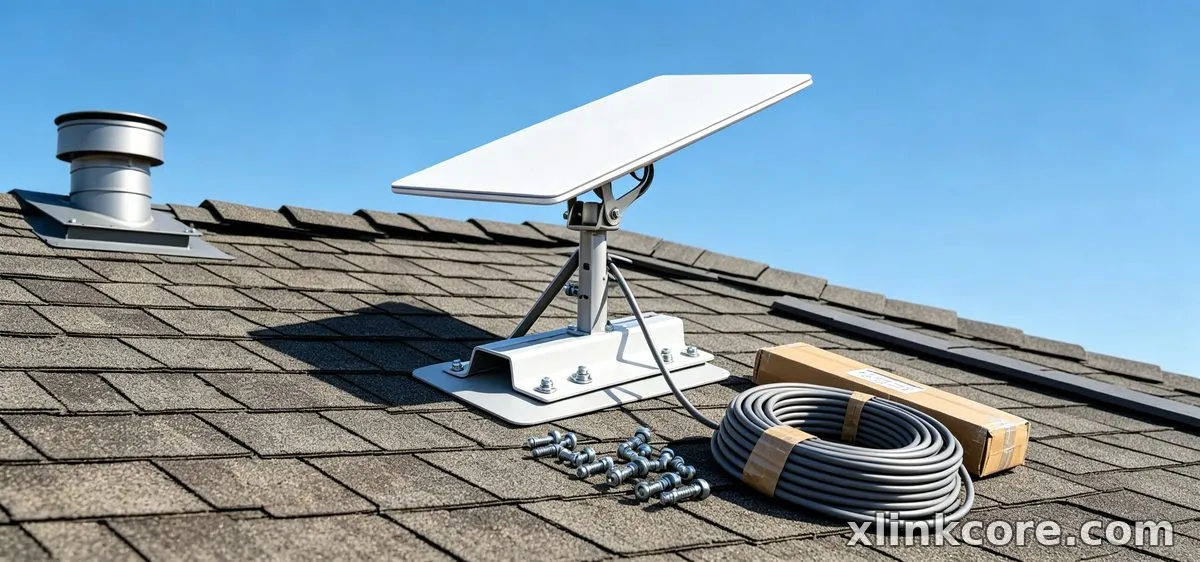
Starlink Network Accessories’ engineering team tests each design before it reaches your hands.
Which is better for a weekend event, tripod or mast?
For a weekend event where you set up and pack down around the schedule, the tripod is better. It moves faster, stores easily and can be repositioned when the site plan changes. Choose the mast only if the event runs for several days and the dish can stay in one place.
Which handles obstructions better, tripod or mast?
The mast wins. Height is the simplest way to clear tents, trailers, vehicles and fences, and a fixed mast keeps that height consistent. A tripod can work, but only if you can place it on a clear patch with a long enough cable run.
Which is easier to install, tripod or mast?
The tripod is easier on day one because it needs no base work or bracing. The mast is easier on repeat visits because the hard work is already done. Starlink Network Accessories' XLinkCore tripod is the lower-effort choice for crews that never stay long.
Does a mast mount use more power than a tripod?
No. Mounting hardware does not change dish power draw; the dish model and power supply do. If power is tight, plan the dish and power gear together and check the power options before you commit to a tall mast or a long cable run.
How do I power a temporary Starlink setup correctly?
Match the power source to the dish and the event length, then keep the power supply dry and off the ground. For multi-day sites, use a fixed power point and a sealed cable entry rather than an extension lead across a walkway. The /power/ section covers the practical combinations.
Need the Right Accessories for Your Setup?
Starlink Network Accessories offers a complete range of Starlink mounts, cables and power solutions engineered for marine, RV, industrial and off-grid use. Contact our team for bulk orders or custom OEM/ODM solutions.
Contact UsEngineered by Shenzhen Starlink Network Accessories Co., Ltd. — Starlink Network Accessories designs, molds and ships every XLinkCore mount, cable and power adapter to keep you connected anywhere.
