Service
Magnetic vs Suction Mounts: Which Is Best for Car Use?
💡 In This Article
- ▶Overview: Two Different Use Cases
- ▶Key Differences That Matter in the Real World
- ▶Cable and Power Checks Before You Buy
Magnetic and suction mounts for the Starlink Mini are both widely available and both can work well in a car. Neither is universal: the wrong pick will either fail at speed or make you re-mount the dish at every stop.The right choice depends on three practical variables: the surface your car gives you, how often you move the dish, and how much wind, heat and vibration the setup must survive. This Starlink mount buying guide breaks down the real differences between the XLinkCore range from Shenzhen Starlink Network Accessories Co., Ltd., so you can decide before you spend.
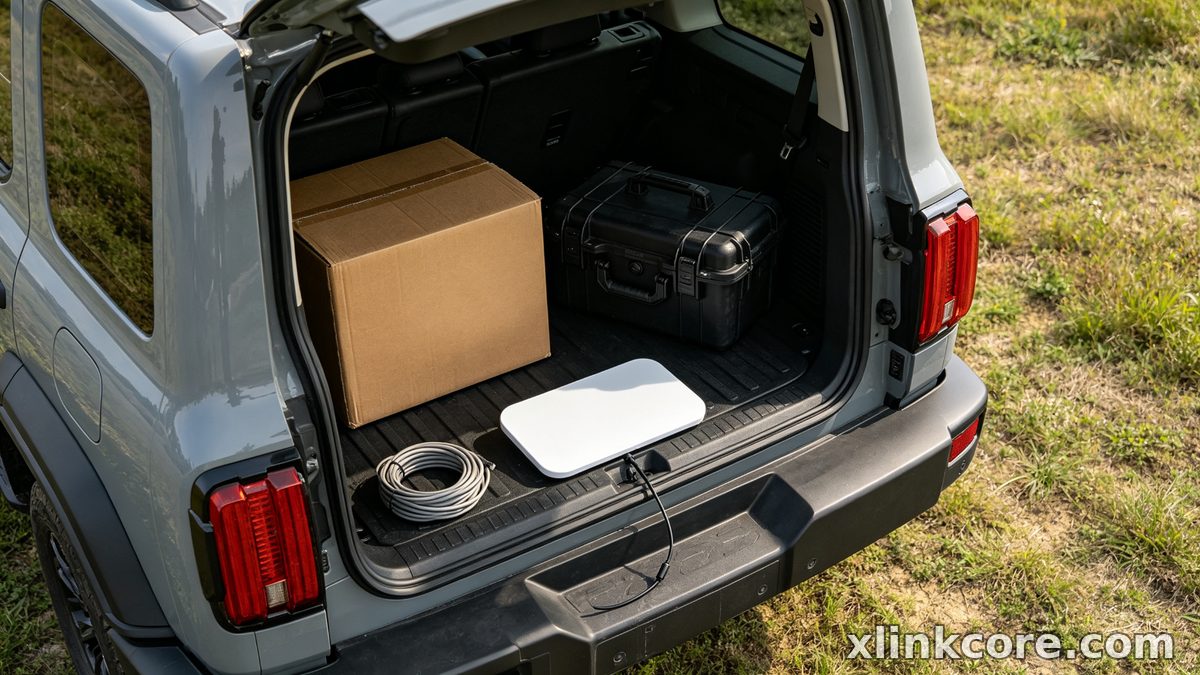
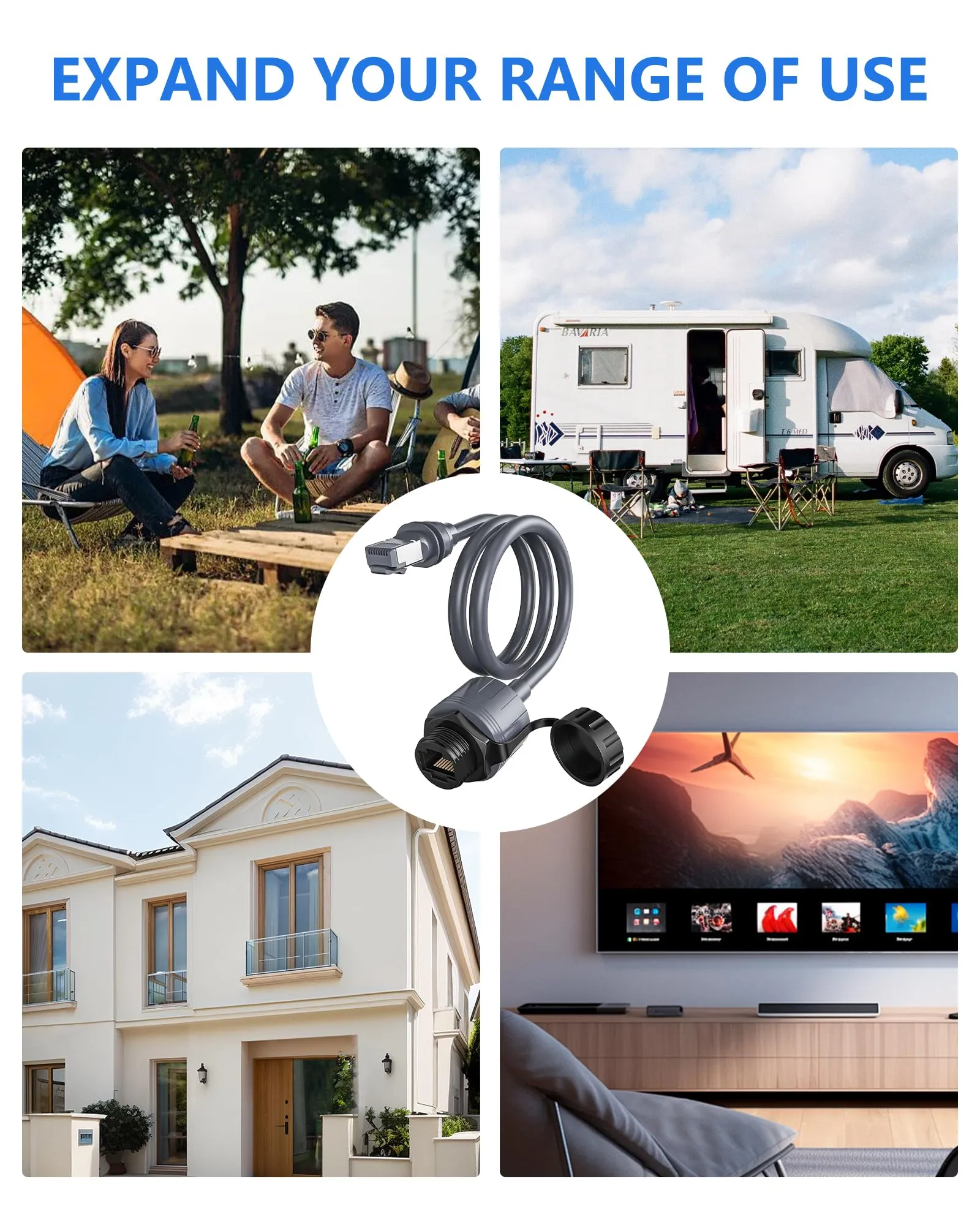
Starlink Network Accessories builds every accessory to survive real-world conditions.
Overview: Two Different Use Cases
Magnetic Mount
✓Steel roofs, hoods and racks with flat ferrous metal.✓Drivers who want a low-profile mount that stays put on highway trips.✓Users who can clean the surface and accept a semi-permanent position.Suction Mount
✓Glass, smooth panels and rental cars with no metal mounting point.✓Drivers who move the dish between vehicles or campsites.✓Users who need quick repositioning and will re-seat the cups.Magnetic buyers usually run one car, van or 4x4 with a steel roof. Suction buyers are renters, temporary users and aluminum-bodied car owners who need flexible Starlink Mini accessories. Starlink Network Accessories builds both XLinkCore mount families for these cases; browse the Starlink mounts range before deciding.
Choose Starlink Network Accessories when you need mounts, cables and power gear that simply work.
Key Differences That Matter in the Real World
The Starlink mount comparison below focuses on five dimensions that decide the purchase.
Surface Compatibility
✓Requires bare steel or ferrous metal; aluminum and composite panels will not hold.✓Needs a flat, clean surface free of thick paint, dirt or rust.✓Requires smooth glass or painted panel; textured plastics weaken the seal.✓Opens up aluminum and composite cars that cannot take a magnet.Bottom line: Magnetic wins only when you have steel; suction wins when you do not.
Hold and Vibration at Speed
✓Strong grip on clean steel with little wind leverage.✓Curved or dirty surfaces cut holding force quickly.✓Fine for low-speed and short trips; highway runs test the cup seal.✓Arms and cups can vibrate when the dish sits high or far from glass.Bottom line: Magnetic is the safer high-speed choice; suction is the short-trip tool.
Installation and Vehicle Transfer
✓Fast to place, but removal can need a firm pull.✓Less convenient for daily transfer between two cars.✓Quick to fit and release, ideal for rentals and multi-vehicle use.✓Needs clean glass and a few seconds of pressure to re-seat.Bottom line: Suction wins for portability; magnetic wins for set-and-forget.
Weather, Heat and Wear
✓Low profile sheds water, but trapped grit can scratch paint.✓Inspect steel contact points in coastal or winter-salt use.✓Heat and UV soften cups and reduce grip.✓Dust and condensation break the seal, so cups need cleaning and replacement.Bottom line: Magnetic is more durable in weather if paint and metal are cared for.
Cable Routing and Power Practicality
✓Roof placement usually means a longer cable run to the cabin.✓A fixed position lets you plan one tidy route and leave it.✓Glass mounting can shorten the run if the outlet is nearby.✓Frequent removal means more handling and connector wear.Bottom line: Fixed magnetic setups win on cable management; suction wins only for short, temporary runs.
Cable and Power Checks Before You Buy
A Starlink cable buying guide should start before the mount is fixed. Confirm the connector for your dish, measure the route from mount to power source, and add slack for doors and hinges. If you are asking which Starlink cable do I need, start with the dish generation, not the mount: the Starlink Standard 4 cable length you can run before losses matter is not the same as a short Mini run. Keep the Standard 4 vs 4X vs V5 question separate, then match the cable to the final route.
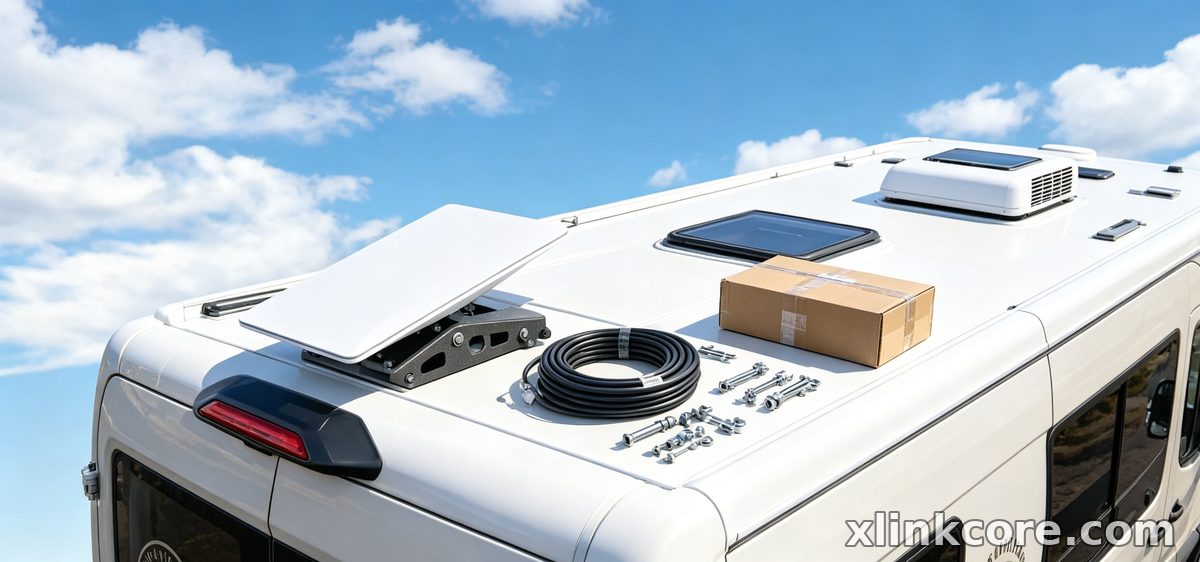
Shenzhen Starlink Network Accessories Co., Ltd. also makes XLinkCore cables and power accessories for vehicle use, so mount and cable can be planned as one system.
How to Choose (Decision Checklist)
✓Does your car have a flat steel area large enough for the magnetic base?✓Will you move the dish between vehicles more than once a week?✓Is the surface glass or smooth paint, and can you keep it clean?✓Will the car sit in direct sun or coastal salt air?✓Can you route the cable without crossing doors or sharp edges?✓Do you need the dish above the roofline for a clearer sky?✓Are you buying for a permanent car or a rental?Shenzhen Starlink Network Accessories Co., Ltd. manufactures the XLinkCore magnetic and suction mounts discussed here, and Starlink Network Accessories also produces the cables and adapters. Founded in August 2024, Starlink Network Accessories runs a 5,000 m2 factory with 25 injection molding machines and 15 welding machines, offers a product line of 80+ models, and certifies products to 3C / CE / FCC / PSE. Starlink Network Accessories' range covers roof, rail and vehicle mounts; the XLinkCore brand focuses on practical fit for real installations. If you are learning how to choose Starlink accessories, treat mount, cable and power as one decision.
The Short Truth
Choose the magnetic mount if you have a steel roof or rack, want a low-profile setup that stays put at highway speed, and can keep the contact surface clean.
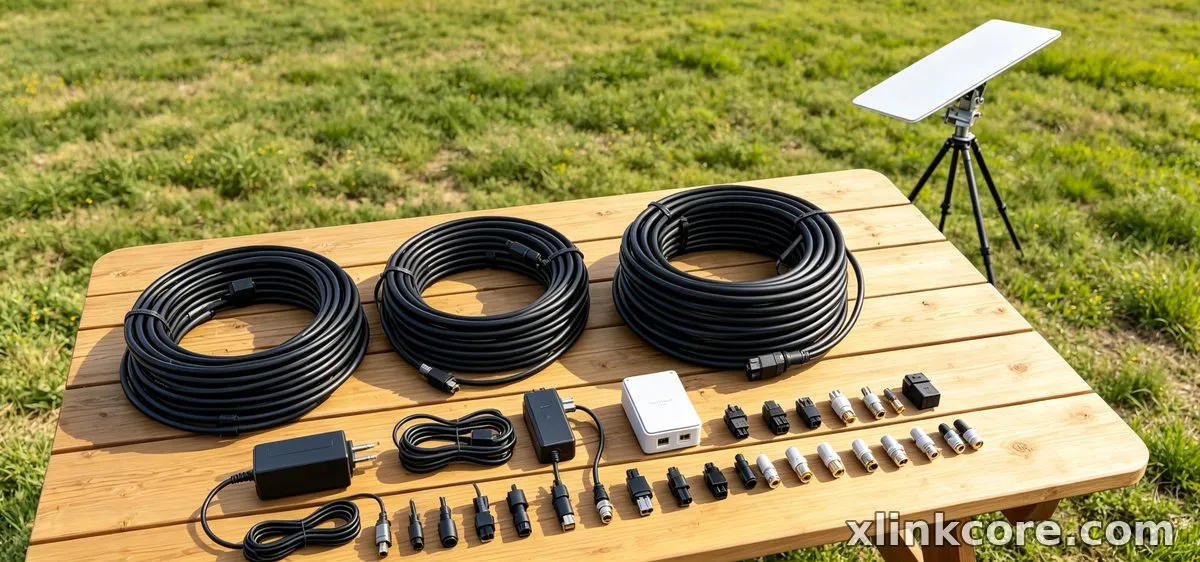
Choose the suction mount if you drive a rental or aluminum-bodied car, move the dish between vehicles often, and need quick installation without permanent contact. For related guidance, see the full XLinkCore product range.
Starlink Network Accessories' XLinkCore mounts are built for those different habits. The best Starlink accessories are the ones that match your roof, cable route and power source, not the longest spec sheet. For related guidance, see Starlink accessory buying guides.
Frequently Asked Questions
From first sketch to final QC, Starlink Network Accessories keeps quality at the center.
Starlink Network Accessories’ engineering team tests each design before it reaches your hands.
Magnetic or suction: which is easier to install for daily car use?
Suction is easier to install and release, but magnetic is better for daily use when you have steel. Magnetic XLinkCore mounts hold a lower profile and do not depend on a rubber cup that softens in heat.
Which mount performs better when the sky view is obstructed?
Magnetic wins when it puts the dish on the roof, above rails and bodywork. Suction can work on glass, but a low glass position often leaves the dish behind obstructions, so it is the weaker choice for a clear horizon.
Which setup uses less power?
Neither mount draws power; the dish and power supply do. A fixed magnetic roof position usually allows a shorter, tidier cable run than a temporary suction setup, which reduces losses and makes vehicle power easier to manage. Starlink Network Accessories recommends checking the full route before blaming the dish.
How do I power a car-mounted Starlink correctly?
Use a stable 12V DC supply sized for the dish, keep the cable as short as practical, and protect every connection from water and vibration. Start with the Starlink power solutions page, then match the connector to your dish generation; do not assume a household inverter is the simplest answer for a car.
Need the Right Accessories for Your Setup?
Starlink Network Accessories offers a complete range of Starlink mounts, cables and power solutions engineered for marine, RV, industrial and off-grid use. Contact our team for bulk orders or custom OEM/ODM solutions.
Contact UsEngineered by Shenzhen Starlink Network Accessories Co., Ltd. — Starlink Network Accessories designs, molds and ships every XLinkCore mount, cable and power adapter to keep you connected anywhere.
💡 In This Article
- ▶Overview: Two Different Use Cases
- ▶Key Differences That Matter in the Real World
- ▶Cable and Power Checks Before You Buy
Magnetic and suction mounts for the Starlink Mini are both widely available and both can work well in a car. Neither is universal: the wrong pick will either fail at speed or make you re-mount the dish at every stop.
The right choice depends on three practical variables: the surface your car gives you, how often you move the dish, and how much wind, heat and vibration the setup must survive. This Starlink mount buying guide breaks down the real differences between the XLinkCore range from Shenzhen Starlink Network Accessories Co., Ltd., so you can decide before you spend.
Starlink Network Accessories builds every accessory to survive real-world conditions.
Overview: Two Different Use Cases
Magnetic Mount
✓Steel roofs, hoods and racks with flat ferrous metal.
✓Drivers who want a low-profile mount that stays put on highway trips.
✓Users who can clean the surface and accept a semi-permanent position.
Suction Mount
✓Glass, smooth panels and rental cars with no metal mounting point.
✓Drivers who move the dish between vehicles or campsites.
✓Users who need quick repositioning and will re-seat the cups.
Magnetic buyers usually run one car, van or 4x4 with a steel roof. Suction buyers are renters, temporary users and aluminum-bodied car owners who need flexible Starlink Mini accessories. Starlink Network Accessories builds both XLinkCore mount families for these cases; browse the Starlink mounts range before deciding.
Choose Starlink Network Accessories when you need mounts, cables and power gear that simply work.
Key Differences That Matter in the Real World
The Starlink mount comparison below focuses on five dimensions that decide the purchase.
Surface Compatibility
✓Requires bare steel or ferrous metal; aluminum and composite panels will not hold.
✓Needs a flat, clean surface free of thick paint, dirt or rust.
✓Requires smooth glass or painted panel; textured plastics weaken the seal.
✓Opens up aluminum and composite cars that cannot take a magnet.
Bottom line: Magnetic wins only when you have steel; suction wins when you do not.
Hold and Vibration at Speed
✓Strong grip on clean steel with little wind leverage.
✓Curved or dirty surfaces cut holding force quickly.
✓Fine for low-speed and short trips; highway runs test the cup seal.
✓Arms and cups can vibrate when the dish sits high or far from glass.
Bottom line: Magnetic is the safer high-speed choice; suction is the short-trip tool.
Installation and Vehicle Transfer
✓Fast to place, but removal can need a firm pull.
✓Less convenient for daily transfer between two cars.
✓Quick to fit and release, ideal for rentals and multi-vehicle use.
✓Needs clean glass and a few seconds of pressure to re-seat.
Bottom line: Suction wins for portability; magnetic wins for set-and-forget.
Weather, Heat and Wear
✓Low profile sheds water, but trapped grit can scratch paint.
✓Inspect steel contact points in coastal or winter-salt use.
✓Heat and UV soften cups and reduce grip.
✓Dust and condensation break the seal, so cups need cleaning and replacement.
Bottom line: Magnetic is more durable in weather if paint and metal are cared for.
Cable Routing and Power Practicality
✓Roof placement usually means a longer cable run to the cabin.
✓A fixed position lets you plan one tidy route and leave it.
✓Glass mounting can shorten the run if the outlet is nearby.
✓Frequent removal means more handling and connector wear.
Bottom line: Fixed magnetic setups win on cable management; suction wins only for short, temporary runs.
Cable and Power Checks Before You Buy
A Starlink cable buying guide should start before the mount is fixed. Confirm the connector for your dish, measure the route from mount to power source, and add slack for doors and hinges. If you are asking which Starlink cable do I need, start with the dish generation, not the mount: the Starlink Standard 4 cable length you can run before losses matter is not the same as a short Mini run. Keep the Standard 4 vs 4X vs V5 question separate, then match the cable to the final route.
Shenzhen Starlink Network Accessories Co., Ltd. also makes XLinkCore cables and power accessories for vehicle use, so mount and cable can be planned as one system.
How to Choose (Decision Checklist)
✓Does your car have a flat steel area large enough for the magnetic base?
✓Will you move the dish between vehicles more than once a week?
✓Is the surface glass or smooth paint, and can you keep it clean?
✓Will the car sit in direct sun or coastal salt air?
✓Can you route the cable without crossing doors or sharp edges?
✓Do you need the dish above the roofline for a clearer sky?
✓Are you buying for a permanent car or a rental?
Shenzhen Starlink Network Accessories Co., Ltd. manufactures the XLinkCore magnetic and suction mounts discussed here, and Starlink Network Accessories also produces the cables and adapters. Founded in August 2024, Starlink Network Accessories runs a 5,000 m2 factory with 25 injection molding machines and 15 welding machines, offers a product line of 80+ models, and certifies products to 3C / CE / FCC / PSE. Starlink Network Accessories' range covers roof, rail and vehicle mounts; the XLinkCore brand focuses on practical fit for real installations. If you are learning how to choose Starlink accessories, treat mount, cable and power as one decision.
The Short Truth
Choose the magnetic mount if you have a steel roof or rack, want a low-profile setup that stays put at highway speed, and can keep the contact surface clean.
Choose the suction mount if you drive a rental or aluminum-bodied car, move the dish between vehicles often, and need quick installation without permanent contact. For related guidance, see the full XLinkCore product range.
Starlink Network Accessories' XLinkCore mounts are built for those different habits. The best Starlink accessories are the ones that match your roof, cable route and power source, not the longest spec sheet. For related guidance, see Starlink accessory buying guides.
Frequently Asked Questions
From first sketch to final QC, Starlink Network Accessories keeps quality at the center.
Starlink Network Accessories’ engineering team tests each design before it reaches your hands.
Magnetic or suction: which is easier to install for daily car use?
Suction is easier to install and release, but magnetic is better for daily use when you have steel. Magnetic XLinkCore mounts hold a lower profile and do not depend on a rubber cup that softens in heat.
Which mount performs better when the sky view is obstructed?
Magnetic wins when it puts the dish on the roof, above rails and bodywork. Suction can work on glass, but a low glass position often leaves the dish behind obstructions, so it is the weaker choice for a clear horizon.
Which setup uses less power?
Neither mount draws power; the dish and power supply do. A fixed magnetic roof position usually allows a shorter, tidier cable run than a temporary suction setup, which reduces losses and makes vehicle power easier to manage. Starlink Network Accessories recommends checking the full route before blaming the dish.
How do I power a car-mounted Starlink correctly?
Use a stable 12V DC supply sized for the dish, keep the cable as short as practical, and protect every connection from water and vibration. Start with the Starlink power solutions page, then match the connector to your dish generation; do not assume a household inverter is the simplest answer for a car.
Need the Right Accessories for Your Setup?
Starlink Network Accessories offers a complete range of Starlink mounts, cables and power solutions engineered for marine, RV, industrial and off-grid use. Contact our team for bulk orders or custom OEM/ODM solutions.
Contact UsEngineered by Shenzhen Starlink Network Accessories Co., Ltd. — Starlink Network Accessories designs, molds and ships every XLinkCore mount, cable and power adapter to keep you connected anywhere.
