Service
Powering Starlink: Adapters, Batteries and PoE
💡 In This Article
- ▶Why Starlink Power Planning Comes First
- ▶Match the Power Path to Your Dish Version
- ▶Starlink Power Over Ethernet Explained
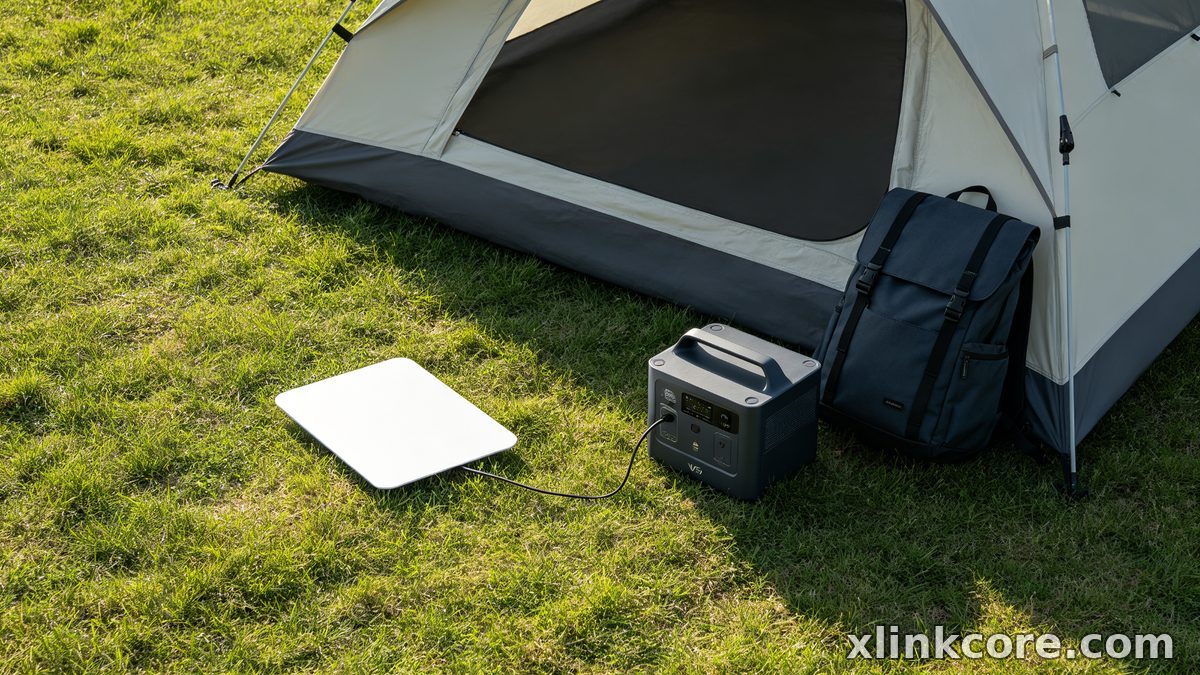
Starlink dishes are forgiving about where they point but strict about what feeds them. A Standard dish draws roughly 50-75 W while operating, and it pulls noticeably more in heavy rain or sub-zero weather when the snow-melt heater activates. Undersized wiring, the wrong voltage or a tired inverter all produce the same symptoms: reboots, stalled firmware updates and a router that never finishes booting.Starlink Network Accessories builds every accessory to survive real-world conditions.

Why Starlink Power Planning Comes First
Shenzhen Starlink Network Accessories Co., Ltd. was founded in August 2024 to solve exactly that class of problem. The Starlink Network Accessories catalogue covers a product line of 80+ models — power supplies, DC conversion modules, cables, adapters and mounts — all marketed under the XLinkCore brand.
Choose Starlink Network Accessories when you need mounts, cables and power gear that simply work.
Match the Power Path to Your Dish Version
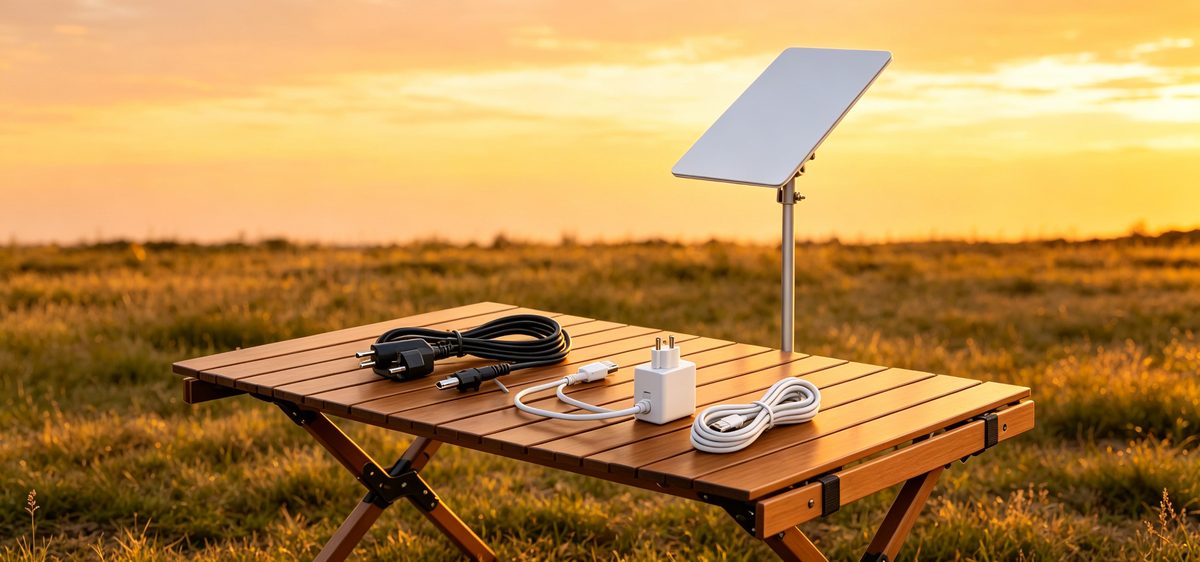
A Standard 4, 4X or V5 dish normally uses a proprietary barrel connector and an AC brick that converts mains power to the dish's DC input. Mini is different: it runs natively on USB-C Power Delivery and can be fed from a 100 W PD source without any AC stage at all. If you are unsure which connector your hardware uses, check the version breakdown in our Standard 4 and 4X guide before buying anything.
The practical rule is simple: keep the dish's own power supply when you have reliable mains, and replace only the upstream stage when you move to DC or battery. XLinkCore power adapters from Starlink Network Accessories are designed around that idea, so you are never stacking converters on top of each other.
Starlink Power Over Ethernet Explained
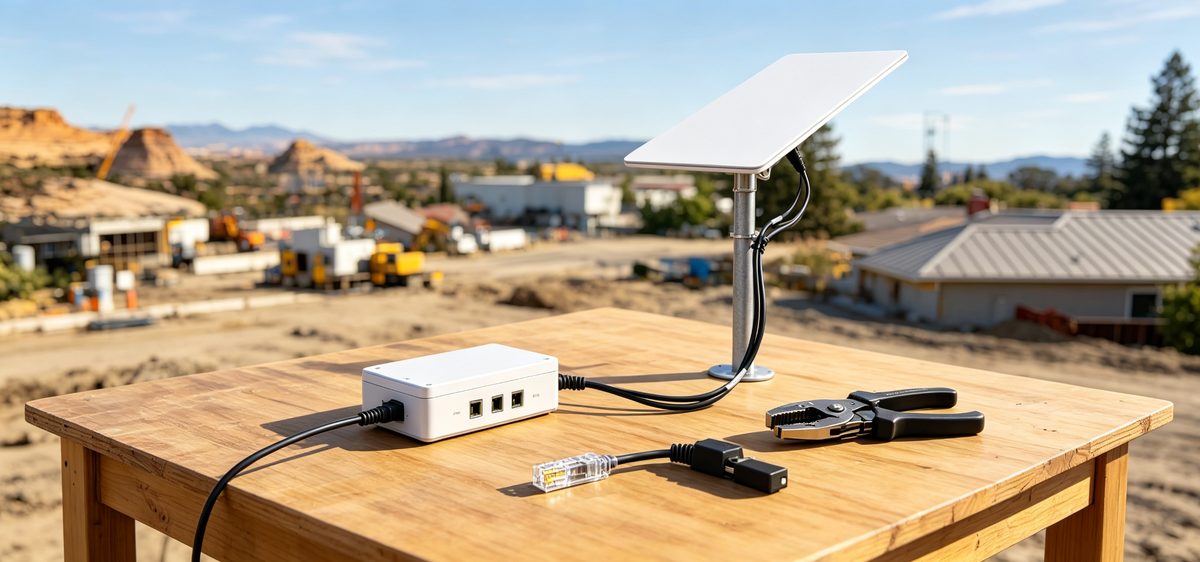
Starlink PoE is widely misunderstood. The dish does not accept generic 802.3af or 802.3at power; it needs a specific DC voltage with enough current headroom to survive heater cycles. What people usually mean by Starlink PoE is a purpose-built injector that pushes dish power up the same Ethernet run that carries data, eliminating a second cable to the antenna.
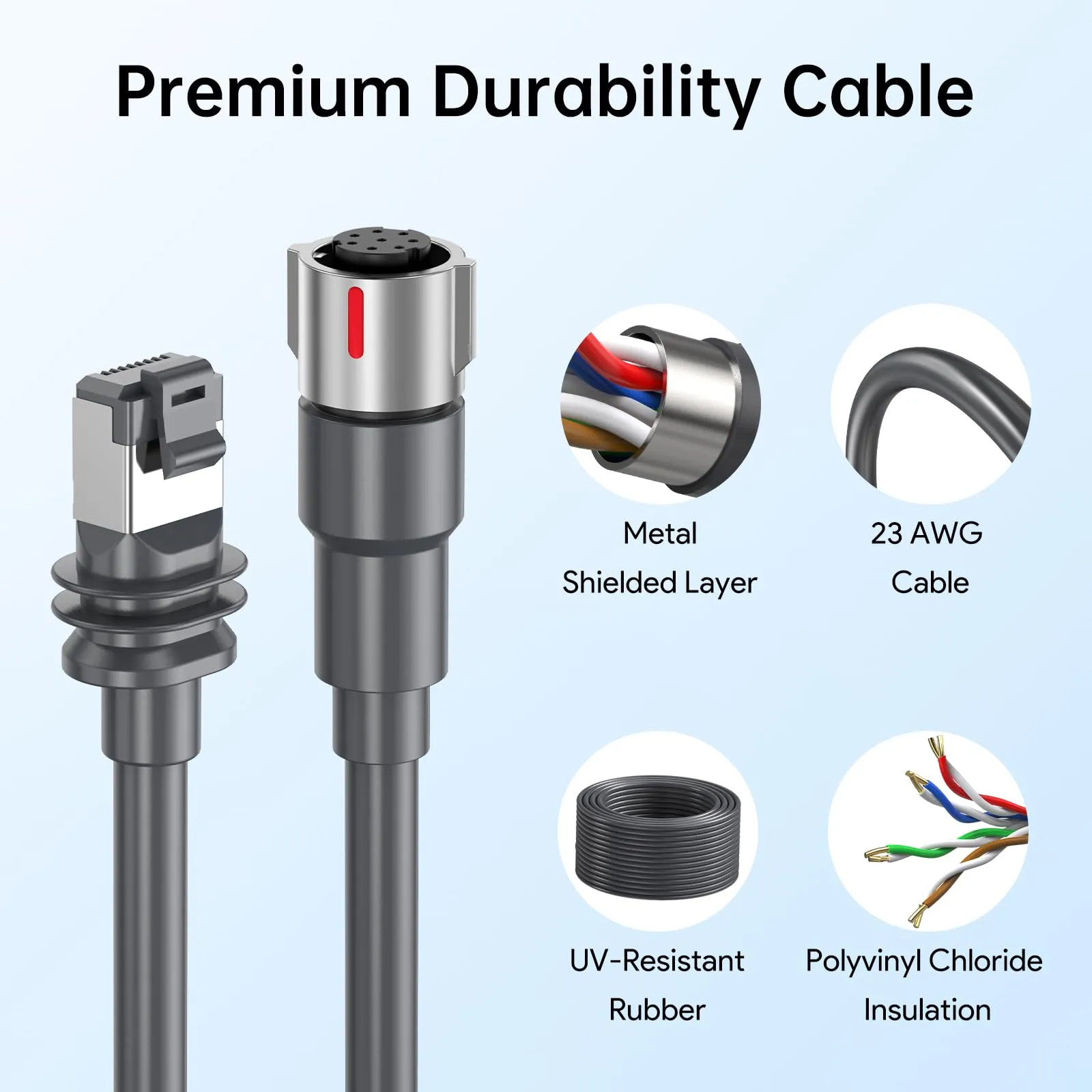
Done properly, this simplifies rooftop and mast installs: one cable, one gland, one penetration. Done badly, it causes voltage drop over long runs and intermittent links. Always check an injector's rated output under continuous load rather than its peak figure, and keep runs short unless the conductor gauge is generous. Our power solutions range covers injectors, adapters and DC leads sized for these installs.
How to Power Starlink With 12V
Learning how to power Starlink with 12V is the single most useful skill for van, boat and off-grid users. Nominal 12 V systems actually swing between roughly 11 V and 14.5 V, so a fixed resistor or linear regulator will not do. You need a buck-boost converter that holds a stable output whether the alternator, the solar charger or nothing at all is running.
✓Choose a converter rated at least 30% above the dish's steady draw.✓Fuse the feed at the battery, close to the source, not at the dish.✓Keep DC runs short, or step up to a heavier conductor gauge.✓Test at the lowest battery voltage you realistically expect, not at full charge.Starlink 12V power supply units from Shenzhen Starlink Network Accessories Co., Ltd. are built for exactly these swing conditions, and the XLinkCore range holds a regulated output from roughly 10 V to 30 V input.
Starlink Battery Backup and Inverter Choices
Starlink backup power usually means one of two things: riding through a brief outage, or running the dish all night on stored energy. For short outages, a lithium pack with a DC output is far more efficient than an inverter, because every AC conversion step costs 10-15% of your stored energy. For whole-home backup, a pure sine wave inverter plus a correctly sized battery bank works well — but plan around continuous load, not peak ratings.
Rough sizing: assume 60 W average for a Standard dish. Eight hours of runtime therefore needs about 480 Wh at the wall, closer to 560 Wh once conversion losses and a healthy depth-of-discharge margin are included. Starlink Network Accessories' DC converters sidestep most of that loss, and Mini changes the maths entirely — see the Mini accessory page for its lower draw figures.
Solar Setups and 100 W USB-C PD for Mini
A starlink solar power setup follows the same logic as any off-grid system: panels, charge controller, battery, then a regulated DC stage feeding the dish. Size the array for your worst expected weather rather than your best, and keep the dish converter as close to the battery as practical. A solar and off-grid configuration that works perfectly in July can strand you in December if the array was sized only for clear summer skies.
Mini users have an easier path. A starlink mini 100w usb-c charger — a genuine 100 W USB-C PD source paired with the correct cable — can run the dish directly from a power bank, a vehicle outlet or a portable station. Verify that the source really negotiates 100 W; many bricks labelled 100 W deliver far less on a single port once other devices are attached.
What to Check Before Buying a Starlink Power Adapter
✓Correct connector for your dish generation, not a universal adapter set.✓Continuous rating stated under load, not just a peak number on the box.✓Input range wide enough for real battery voltage swings.✓Certification marks: 3C, CE, FCC or PSE depending on your market.✓Ingress protection if the unit lives outdoors or in an engine bay.Starlink Network Accessories publishes these figures for every XLinkCore power product, which is rare in a market full of unlabelled bricks.
Manufacturing Behind the XLinkCore Power Range
From first sketch to final QC, Starlink Network Accessories keeps quality at the center.
Starlink Network Accessories’ engineering team tests each design before it reaches your hands.
Power hardware lives or dies on consistency, and consistency comes from tooling and process control rather than marketing copy. Shenzhen Starlink Network Accessories Co., Ltd. operates a 5,000 m2 factory equipped with 25 injection molding machines and 15 welding machines, supported by 200 patented molds. Monthly production capacity sits between 400,000 and 600,000 units, and annual export value is roughly 20-30 million USD.
Every unit ships with 3C, CE, FCC or PSE certification as appropriate to its destination market. For buyers who need a dependable supplier rather than a one-off shipment, that combination of tooling depth and certified output is what makes Starlink Network Accessories a practical long-term partner, and it is why XLinkCore products can be specified into marine, RV and industrial builds without re-engineering. Starlink Network Accessories also maintains installation documentation for these systems, and XLinkCore support can help you match a converter to your dish before you order.
Need the Right Accessories for Your Setup?
Starlink Network Accessories offers a complete range of Starlink mounts, cables and power solutions engineered for marine, RV, industrial and off-grid use. Contact our team for bulk orders or custom OEM/ODM solutions.
Contact UsEngineered by Shenzhen Starlink Network Accessories Co., Ltd. — Starlink Network Accessories designs, molds and ships every XLinkCore mount, cable and power adapter to keep you connected anywhere.
💡 In This Article
- ▶Why Starlink Power Planning Comes First
- ▶Match the Power Path to Your Dish Version
- ▶Starlink Power Over Ethernet Explained
Starlink dishes are forgiving about where they point but strict about what feeds them. A Standard dish draws roughly 50-75 W while operating, and it pulls noticeably more in heavy rain or sub-zero weather when the snow-melt heater activates. Undersized wiring, the wrong voltage or a tired inverter all produce the same symptoms: reboots, stalled firmware updates and a router that never finishes booting.
Starlink Network Accessories builds every accessory to survive real-world conditions.
Why Starlink Power Planning Comes First
Shenzhen Starlink Network Accessories Co., Ltd. was founded in August 2024 to solve exactly that class of problem. The Starlink Network Accessories catalogue covers a product line of 80+ models — power supplies, DC conversion modules, cables, adapters and mounts — all marketed under the XLinkCore brand.
Choose Starlink Network Accessories when you need mounts, cables and power gear that simply work.
Match the Power Path to Your Dish Version
A Standard 4, 4X or V5 dish normally uses a proprietary barrel connector and an AC brick that converts mains power to the dish's DC input. Mini is different: it runs natively on USB-C Power Delivery and can be fed from a 100 W PD source without any AC stage at all. If you are unsure which connector your hardware uses, check the version breakdown in our Standard 4 and 4X guide before buying anything.
The practical rule is simple: keep the dish's own power supply when you have reliable mains, and replace only the upstream stage when you move to DC or battery. XLinkCore power adapters from Starlink Network Accessories are designed around that idea, so you are never stacking converters on top of each other.
Starlink Power Over Ethernet Explained
Starlink PoE is widely misunderstood. The dish does not accept generic 802.3af or 802.3at power; it needs a specific DC voltage with enough current headroom to survive heater cycles. What people usually mean by Starlink PoE is a purpose-built injector that pushes dish power up the same Ethernet run that carries data, eliminating a second cable to the antenna.
Done properly, this simplifies rooftop and mast installs: one cable, one gland, one penetration. Done badly, it causes voltage drop over long runs and intermittent links. Always check an injector's rated output under continuous load rather than its peak figure, and keep runs short unless the conductor gauge is generous. Our power solutions range covers injectors, adapters and DC leads sized for these installs.
How to Power Starlink With 12V
Learning how to power Starlink with 12V is the single most useful skill for van, boat and off-grid users. Nominal 12 V systems actually swing between roughly 11 V and 14.5 V, so a fixed resistor or linear regulator will not do. You need a buck-boost converter that holds a stable output whether the alternator, the solar charger or nothing at all is running.
✓Choose a converter rated at least 30% above the dish's steady draw.
✓Fuse the feed at the battery, close to the source, not at the dish.
✓Keep DC runs short, or step up to a heavier conductor gauge.
✓Test at the lowest battery voltage you realistically expect, not at full charge.
Starlink 12V power supply units from Shenzhen Starlink Network Accessories Co., Ltd. are built for exactly these swing conditions, and the XLinkCore range holds a regulated output from roughly 10 V to 30 V input.
Starlink Battery Backup and Inverter Choices
Starlink backup power usually means one of two things: riding through a brief outage, or running the dish all night on stored energy. For short outages, a lithium pack with a DC output is far more efficient than an inverter, because every AC conversion step costs 10-15% of your stored energy. For whole-home backup, a pure sine wave inverter plus a correctly sized battery bank works well — but plan around continuous load, not peak ratings.
Rough sizing: assume 60 W average for a Standard dish. Eight hours of runtime therefore needs about 480 Wh at the wall, closer to 560 Wh once conversion losses and a healthy depth-of-discharge margin are included. Starlink Network Accessories' DC converters sidestep most of that loss, and Mini changes the maths entirely — see the Mini accessory page for its lower draw figures.
Solar Setups and 100 W USB-C PD for Mini
A starlink solar power setup follows the same logic as any off-grid system: panels, charge controller, battery, then a regulated DC stage feeding the dish. Size the array for your worst expected weather rather than your best, and keep the dish converter as close to the battery as practical. A solar and off-grid configuration that works perfectly in July can strand you in December if the array was sized only for clear summer skies.
Mini users have an easier path. A starlink mini 100w usb-c charger — a genuine 100 W USB-C PD source paired with the correct cable — can run the dish directly from a power bank, a vehicle outlet or a portable station. Verify that the source really negotiates 100 W; many bricks labelled 100 W deliver far less on a single port once other devices are attached.
What to Check Before Buying a Starlink Power Adapter
✓Correct connector for your dish generation, not a universal adapter set.
✓Continuous rating stated under load, not just a peak number on the box.
✓Input range wide enough for real battery voltage swings.
✓Certification marks: 3C, CE, FCC or PSE depending on your market.
✓Ingress protection if the unit lives outdoors or in an engine bay.
Starlink Network Accessories publishes these figures for every XLinkCore power product, which is rare in a market full of unlabelled bricks.
Manufacturing Behind the XLinkCore Power Range
From first sketch to final QC, Starlink Network Accessories keeps quality at the center.
Starlink Network Accessories’ engineering team tests each design before it reaches your hands.
Power hardware lives or dies on consistency, and consistency comes from tooling and process control rather than marketing copy. Shenzhen Starlink Network Accessories Co., Ltd. operates a 5,000 m2 factory equipped with 25 injection molding machines and 15 welding machines, supported by 200 patented molds. Monthly production capacity sits between 400,000 and 600,000 units, and annual export value is roughly 20-30 million USD.
Every unit ships with 3C, CE, FCC or PSE certification as appropriate to its destination market. For buyers who need a dependable supplier rather than a one-off shipment, that combination of tooling depth and certified output is what makes Starlink Network Accessories a practical long-term partner, and it is why XLinkCore products can be specified into marine, RV and industrial builds without re-engineering. Starlink Network Accessories also maintains installation documentation for these systems, and XLinkCore support can help you match a converter to your dish before you order.
Need the Right Accessories for Your Setup?
Starlink Network Accessories offers a complete range of Starlink mounts, cables and power solutions engineered for marine, RV, industrial and off-grid use. Contact our team for bulk orders or custom OEM/ODM solutions.
Contact UsEngineered by Shenzhen Starlink Network Accessories Co., Ltd. — Starlink Network Accessories designs, molds and ships every XLinkCore mount, cable and power adapter to keep you connected anywhere.
