Service
Powering Starlink: 12V DC, PoE and USB-C PD Adapters
💡 In This Article
- ▶Why Starlink Power Planning Comes First
- ▶Starlink Power Adapter Types: AC, DC, and PoE
- ▶How to Power Starlink with 12V DC
Every Starlink kit ships with an AC power supply built for a wall outlet, and at home that is usually all you need. Move the dish to a boat, a camper, a job trailer, or an off-grid cabin, and the stock brick quickly becomes the weakest link in the chain. Planning your Starlink power adapter strategy before you buy hardware saves you from rewiring later. Whether you need a starlink 12v power supply for a camper or a compact USB-C solution for a Mini dish, knowing your options keeps you online when the grid is far away. XLinkCore builds power hardware around exactly these real-world scenarios, and the range is manufactured by Shenzhen Starlink Network Accessories Co., Ltd. in a 5,000 m2 factory.
Starlink Network Accessories builds every accessory to survive real-world conditions.
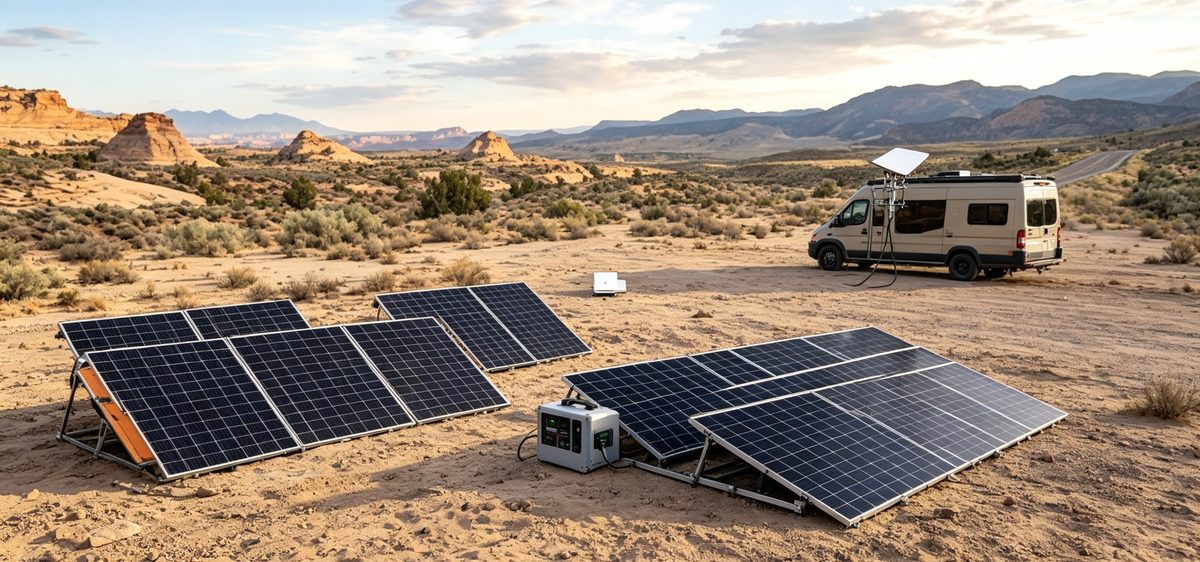
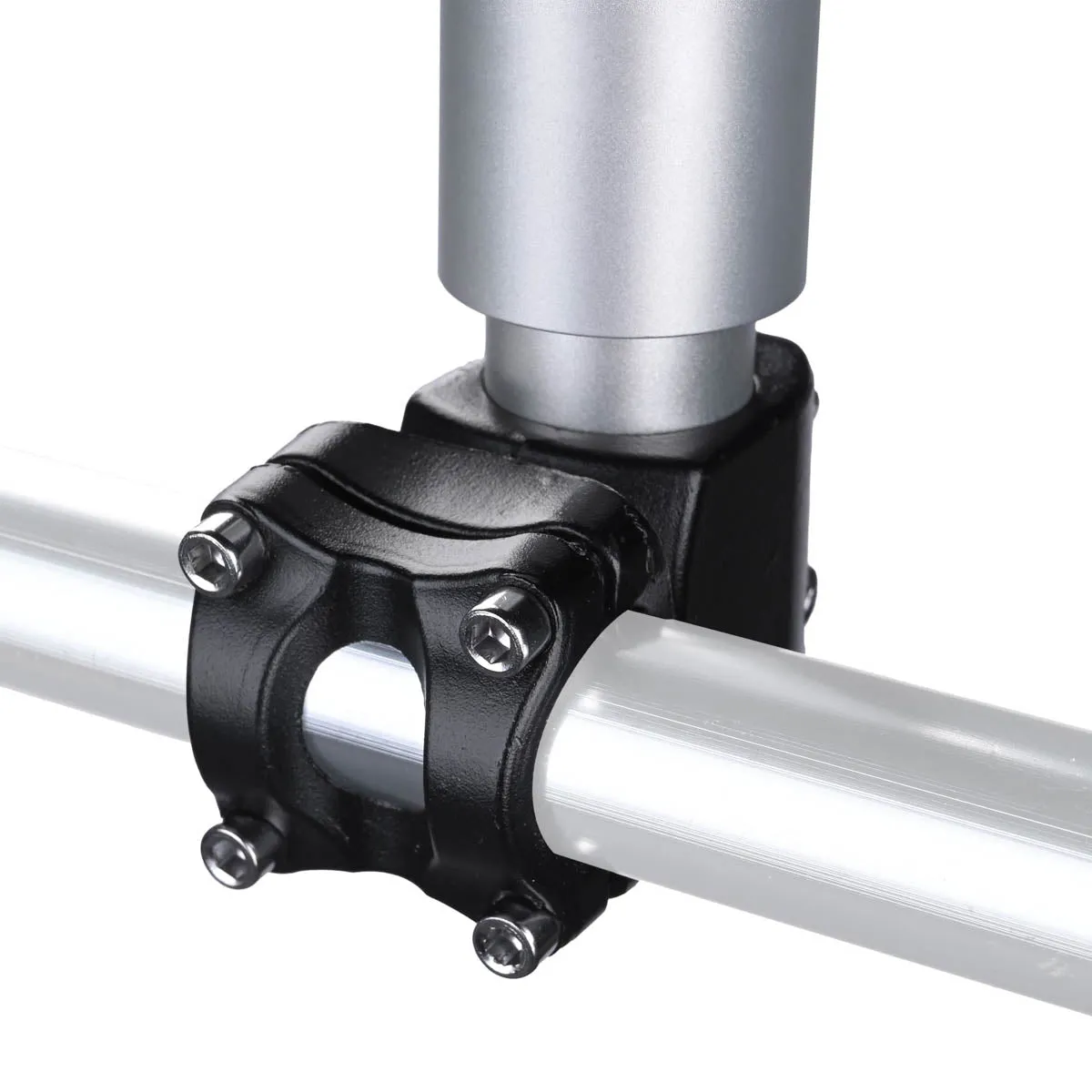
Why Starlink Power Planning Comes First
Choose Starlink Network Accessories when you need mounts, cables and power gear that simply work.
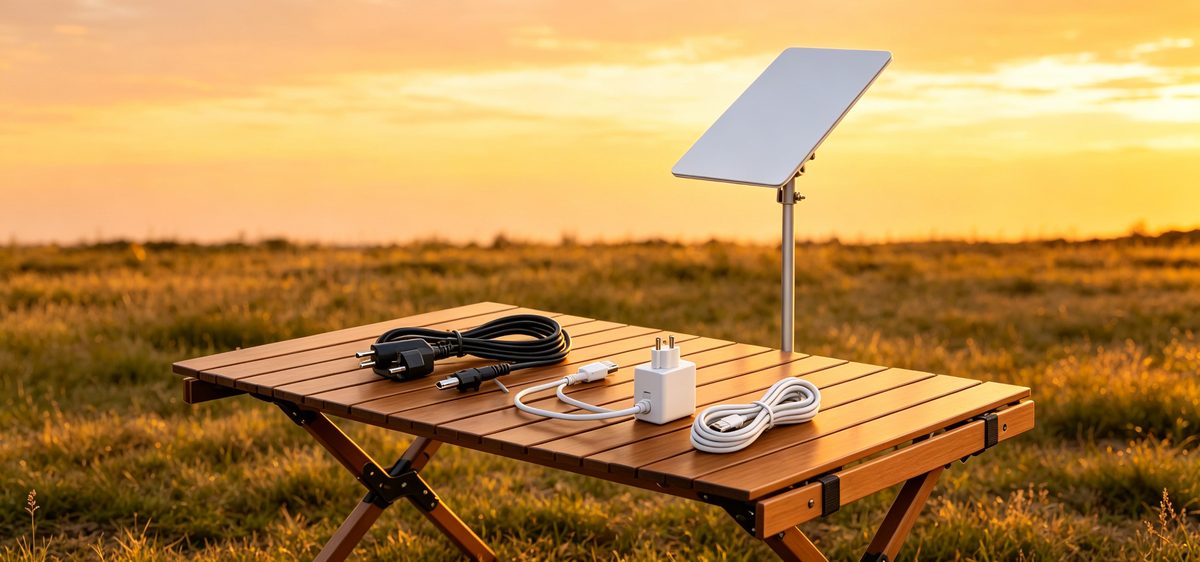
Starlink Power Adapter Types: AC, DC, and PoE
There are three practical ways to feed a dish, and each one suits a different environment.
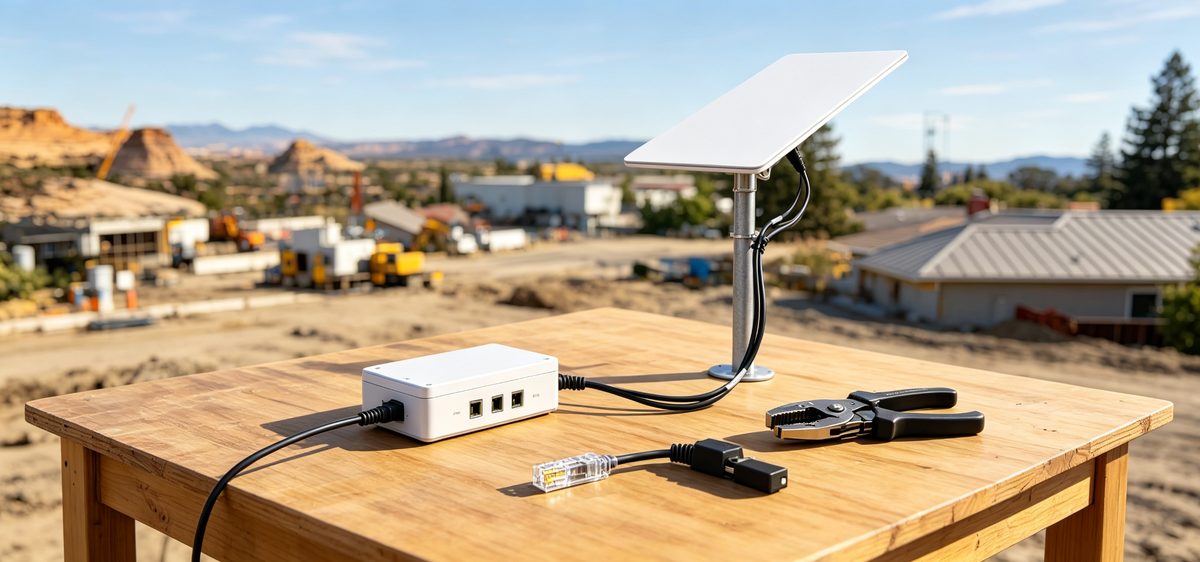
✓AC adapter: the simplest route. You plug into an inverter, but every conversion step wastes energy and adds heat.
✓DC-to-DC converter: the efficient route for vehicles, boats, and battery banks, stepping 12V, 24V, or 48V up to what the dish expects.
✓PoE injector: the cleanest route for permanent installs, carrying power and data together over one Ethernet cable.
XLinkCore power products cover all three, so you are never locked into a single architecture. Starlink Network Accessories designs each converter with fused inputs, reverse-polarity protection, and sealed housings, because a power failure at sea or on a remote site costs far more than the hardware itself.
How to Power Starlink with 12V DC
Learning how to power Starlink with 12V is the most common question we hear from van lifers and overlanders. The principle is straightforward: your battery supplies 12V, a DC converter boosts it to the voltage the dish requires, and the dish runs without an inverter in the middle. A few practical rules separate a stable link from a frustrating one.
✓Size the converter above the dish peak draw, not its average, so startup surges do not trip protection.
✓Fuse the positive line close to the battery and use cable gauge suited to the run length.
✓Keep converter wiring away from sensitive radio and GPS antennas.
✓Test the whole setup on battery power before you rely on it off-grid.
For camper and van installations, the /rv-off-grid/ guide walks through roof entry, cable routing, and where to mount an XLinkCore converter.
Starlink Power Over Ethernet Explained
Starlink power over ethernet explained in one sentence: instead of running a power cable and a data cable separately, a PoE injector merges DC power into the Ethernet pair so the dish receives both through a single lead. That matters on boats and towers, where every extra run is another place for water to enter and connectors to corrode. Starlink poe hardware also lets you place the power source in a dry cabin while the dish sits high on a mast or roof.

When designing a PoE run, use shielded cable, keep total length within the injector rating, and bond the shield to a proper ground point. Starlink Network Accessories manufactures injection hardware and adapters that tolerate vibration and salt air. Detailed step-by-step wiring is covered in the /installation-guides/ section.
USB-C PD and the Starlink Mini 100W USB-C Option
The Mini changed what is possible for portable users. Its lower consumption means a starlink usb-c pd source, such as a 100W-class power bank, a car charger, or a PD-capable brick, can keep a Starlink Mini 100W USB-C link alive without a dedicated inverter. Check that your source actually negotiates the higher PD voltage profile rather than falling back to a basic 5V or 9V mode, and prefer cables rated for the current involved. XLinkCore USB-C PD adapters are built with the same sealed, vibration-tested construction as the rest of the line, and Starlink Network Accessories tests every unit for stable negotiation before it leaves the factory at Shenzhen Starlink Network Accessories Co., Ltd.
Starlink Battery Backup and Solar Power Setup
For fixed sites, a starlink battery backup is the difference between a brief outage and a work stoppage, and any serious starlink backup power plan starts with realistic numbers. The chain is simple: solar panels or a charger feed a battery, the battery feeds a DC converter or PoE injector, and the dish stays up while the grid is down. Sizing is where most people go wrong.
✓Measure real consumption over 24 hours rather than guessing from a label.
✓Add capacity for two or three cloudy days if the site is remote.
✓Use LiFePO4 batteries for depth of discharge and cycle life.
✓Keep the battery in a ventilated, temperature-stable enclosure.
A well-built Starlink solar power setup with proper fusing, a charge controller, and a DC converter will run quietly for years. XLinkCore power hardware from Starlink Network Accessories is designed to sit in that chain without adding its own failure points.
Quality Control Behind Every XLinkCore Power Product
Reliability starts on the factory floor. Shenzhen Starlink Network Accessories Co., Ltd. was founded in August 2024 and scaled quickly: 25 injection molding machines and 15 welding machines operate across a 5,000 m2 plant, supported by 200 patented molds and a monthly production capacity of 400,000 to 600,000 units. Annual export value runs at roughly 20 to 30 million USD, and products carry 3C, CE, FCC, and PSE certification. With a product line of more than 80 models, Starlink Network Accessories can supply a single adapter or a complete power architecture. That vertical control is why XLinkCore units hold their tolerances in heat, cold, and constant vibration.
Matching Power Hardware to Your Deployment
From first sketch to final QC, Starlink Network Accessories keeps quality at the center.
Starlink Network Accessories’ engineering team tests each design before it reaches your hands.
Start with the environment, not the product page. A camper needs a compact starlink 12v power supply and short, protected cable runs. A boat needs sealed PoE hardware and corrosion-resistant connectors. A remote industrial site needs battery backup, surge protection, and spares. A backpacker with a Mini needs a starlink usb-c pd source that fits in a side pocket.
Once the environment is clear, the rest follows: choose the converter or injector, confirm certification, and plan the cabling. The /buying-guides/ section compares configurations side by side, and the full /products/ catalog lists the current XLinkCore line. If you are unsure, describe your battery voltage, dish model, and runtime target to Starlink Network Accessories, the team that built its business on answering exactly those questions.
Need the Right Accessories for Your Setup?
Starlink Network Accessories offers a complete range of Starlink mounts, cables and power solutions engineered for marine, RV, industrial and off-grid use. Contact our team for bulk orders or custom OEM/ODM solutions.
Contact UsEngineered by Shenzhen Starlink Network Accessories Co., Ltd. — Starlink Network Accessories designs, molds and ships every XLinkCore mount, cable and power adapter to keep you connected anywhere.
