Service
Roof, Rail, Pole and Wall Starlink Mounts Compared
💡 In This Article
- ▶Why the Mount Matters More Than the Dish Spec
- ▶Roof Mounts for Metal, Shingle and RV Roofs
- ▶Pole, Mast and Rail Mounts
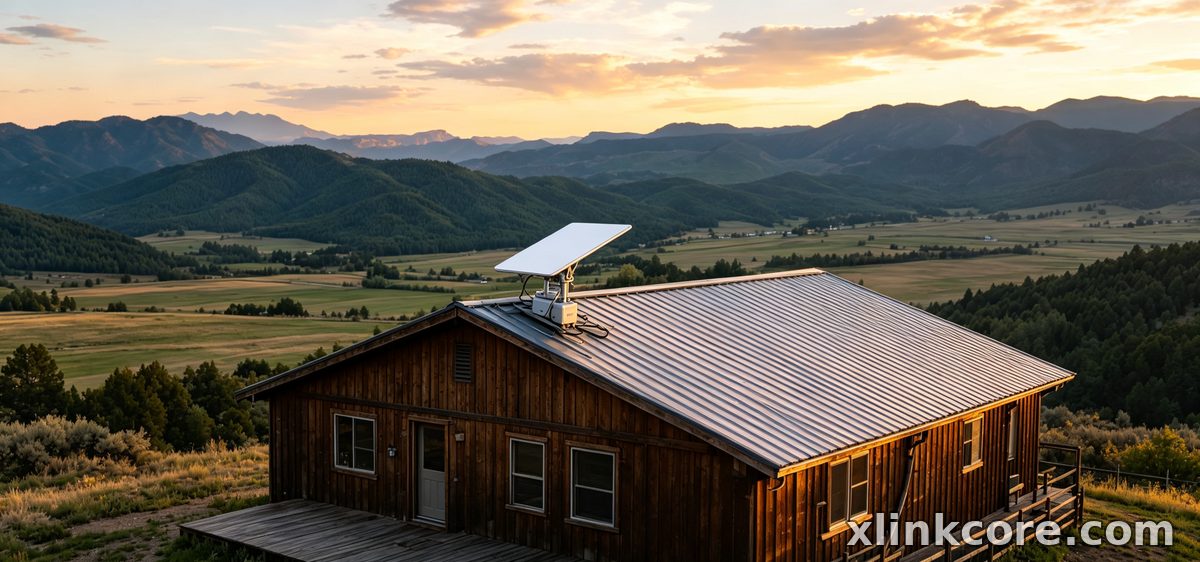
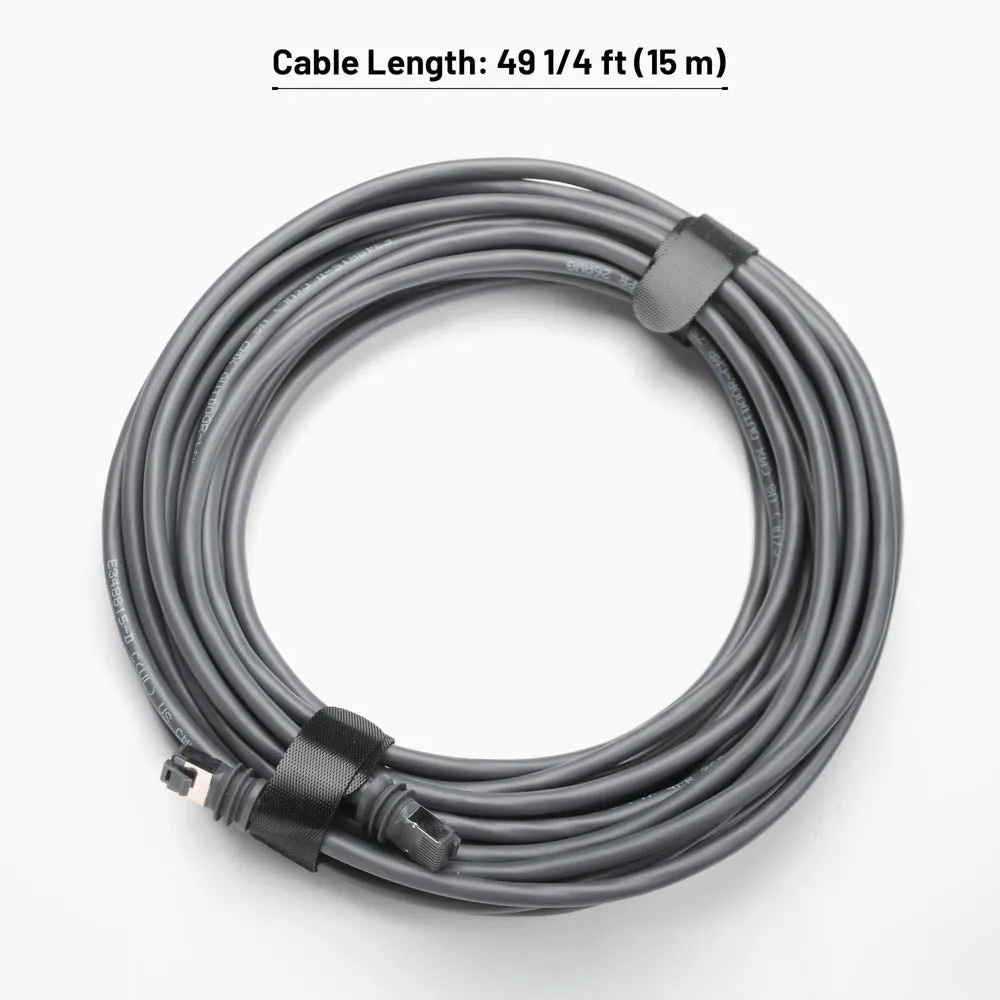
Most dropped connections blamed on satellites or bad weather are really mounting problems. A dish that shifts a few degrees in gusty wind or vibrates loose on a moving vehicle will lose its lock, however good the hardware is. A proper starlink mount does three jobs at once: it holds the dish at a clear, stable angle to the sky, it transfers wind and vibration loads into the structure instead of the dish frame, and it leaves enough slack and access to route and service the cable. XLinkCore, the product brand of Shenzhen Starlink Network Accessories Co., Ltd., designs its brackets around those three jobs rather than around a single dish generation.
Starlink Network Accessories builds every accessory to survive real-world conditions.
Why the Mount Matters More Than the Dish Spec
Two details decide everything else: your dish model and the surface you can safely fix to. Every bracket on the XLinkCore mount range lists the dish versions it fits, so check that table before you drill anything.
Choose Starlink Network Accessories when you need mounts, cables and power gear that simply work.
Roof Mounts for Metal, Shingle and RV Roofs
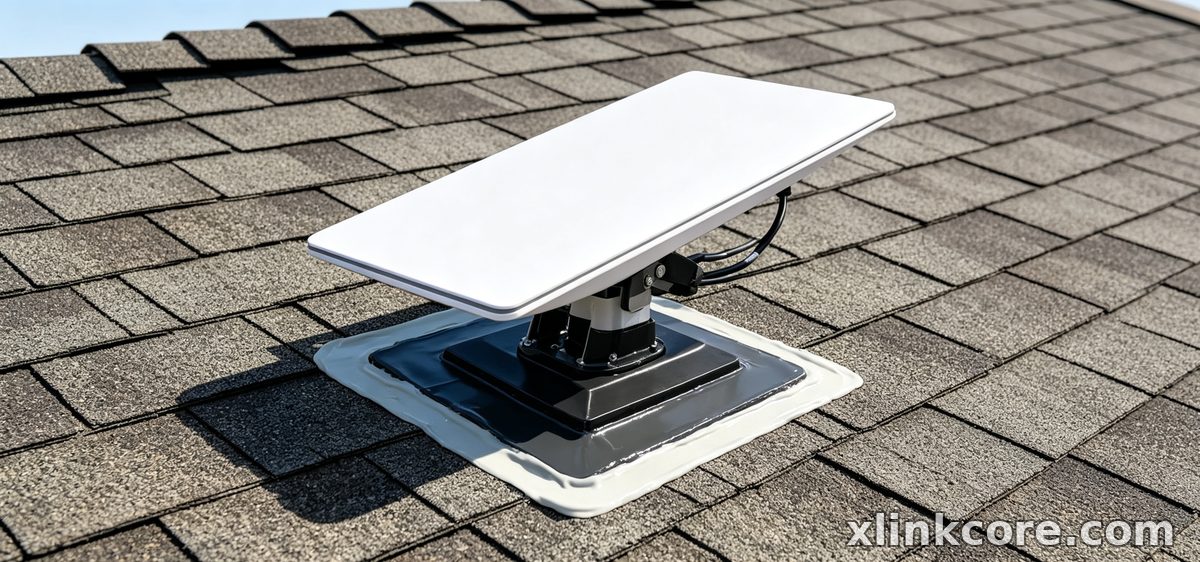
A starlink roof mount is the default choice for houses and cabins because a roof usually gives the clearest view of the sky. On standing-seam or corrugated metal, the best starlink mount for metal roof is a seam clamp or a weighted non-penetrating base: both spread load across the panel and avoid drilling holes that will eventually leak. On shingle or tile, use a flashed bracket, seal every fastener with roofing-grade sealant, and keep the mast short to limit leverage. Starlink Network Accessories builds roof brackets for all three surfaces to the same hardware standard, which keeps spare parts easy to source.
A starlink mount for rv roof has different priorities: low profile, no sharp edges, and a mast you can pull off before you drive. Vibration is the real long-term enemy on any moving roof, so plan on nyloc nuts or thread-locking compound at every fixing point.
✓Metal roofs: seam clamps or weighted bases — no penetrations at all.
✓Shingle and tile: flashed brackets, sealed fasteners, generous cable drip loops.
✓RV and camper roofs: removable mast, low profile, stainless fasteners throughout.
Pole, Mast and Rail Mounts
A starlink pole mount clamps to existing vertical steel — a mast, antenna pipe, fence post or boat rail — which makes it the fastest option when the structure is already there. Match the clamp to the outside diameter of the tube and check wall thickness: thin decorative pipe flexes and slowly works the clamp loose. A pole mount also lets you clear a roofline or tree line without touching the roof itself.
Shenzhen Starlink Network Accessories Co., Ltd. supplies every XLinkCore pole and rail bracket with stainless clamps and nylon inserts, so they grip firmly without crushing the tube or scratching the finish. If the mast runs longer than about a metre, add a second clamp point and check the fixings again after the first month.
Wall Mounts and Adjustable Mounts
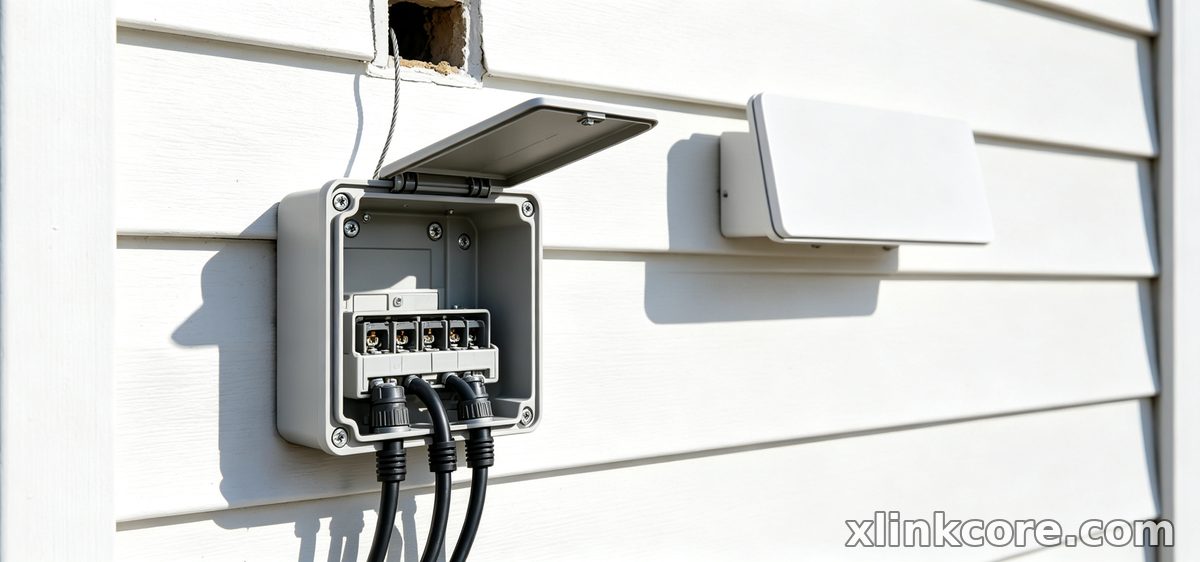
A starlink wall mount suits gable ends, balconies and outbuildings where a roof install is impractical. Look for at least four fixing points, a standoff that keeps the dish clear of the wall, and drainage channels so water does not pool in the joint. The XLinkCore wall bracket range from Starlink Network Accessories covers standard masonry, timber frame and steel cladding.
Where obstructions or seasonal geometry make a fixed angle awkward, an adjustable starlink mount earns its keep. Tilt and azimuth trim let you re-aim the dish in minutes instead of unbolting the bracket — useful above a growing tree line or on a seasonal pitch.
Flat Mounts and Low-Profile Setups
A starlink flat mount by XLinkCore sits the dish close to the surface, which is exactly what you want on a boat deck, a van roof or any building where wind loading matters. Low profile also means less leverage on the fasteners. Two practical points: leave clearance underneath for drainage and airflow, and remember that snow-melt mode draws more power when the dish is flat and snow collects — a real consideration for off-grid sites running on battery.
Matching the Mount to Your Dish Version
Mast diameter and foot pattern vary between generations and between the Mini, Standard and Enterprise dishes, so a bracket that fits one will not necessarily fit another. A starlink gen 3 mount, a bracket for Standard 4 or 4X hardware and a starlink mini mount are not simply scaled versions of each other: the Mini needs a much smaller shoe because the dish is compact and often moved between vehicles, while an Enterprise dish needs a reinforced bracket rated for its larger face and extra wind load. Buy from a range that publishes compatibility per model: Starlink Network Accessories lists the matching dish versions for every bracket it makes.
What Good Mount Hardware Looks Like
Mounts live outdoors for years, so material choices matter more than styling. XLinkCore products come from a manufacturer with real production depth behind them. Shenzhen Starlink Network Accessories Co., Ltd. was founded in August 2024 and runs a 5,000 m2 factory equipped with 25 injection molding machines and 15 welding machines, producing more than 80 mount and accessory models. Starlink Network Accessories ships roughly 400,000 to 600,000 units a month, and products are certified 3C, CE, FCC and PSE.
The result is consistency: the same clamp geometry, fastener grade and coating thickness on every batch. The range is built on 200 patented molds, so matched spares and companion parts stay available long after your first install. Starlink Network Accessories' catalogue covers roof, rail, pole, mast, wall, flat and adjustable brackets, plus the cables and power hardware that go with them.
Choosing and Installing Your Mount
From first sketch to final QC, Starlink Network Accessories keeps quality at the center.
Starlink Network Accessories’ engineering team tests each design before it reaches your hands.
Work in this order: confirm your dish model, choose the surface you can fix to safely, pick the bracket that fits both, then plan the cable route before you drill. Use stainless hardware, seal every penetration, keep drip loops below the dish, and re-torque fasteners after the first month. For step-by-step help, the installation guides cover routing, sealing and grounding, while the buying guides explain how cables and brackets differ between dish versions.
Buy for the surface, not the season: a starlink roof mount for a shingled house, a seam-clamped starlink pole mount for metal roofing, an adjustable starlink mount for awkward angles, and a starlink wall mount or starlink flat mount where nothing else fits. Whatever the dish — Standard 4, 4X, V5, Gen 3, Mini or Enterprise — Starlink Network Accessories manufactures a bracket for it, and XLinkCore supplies it with the hardware and certification that professional installers expect.
Need the Right Accessories for Your Setup?
Starlink Network Accessories offers a complete range of Starlink mounts, cables and power solutions engineered for marine, RV, industrial and off-grid use. Contact our team for bulk orders or custom OEM/ODM solutions.
Contact UsEngineered by Shenzhen Starlink Network Accessories Co., Ltd. — Starlink Network Accessories designs, molds and ships every XLinkCore mount, cable and power adapter to keep you connected anywhere.
