Service
Picking Starlink Mounts That Survive Wind and Weather
💡 In This Article
- ▶Why Your Starlink Mount Choice Matters More Than You Think
- ▶Roof Mounts: Maximum Sky View, Real Structural Loads
- ▶Pole and Mast Mounts for Rural and Tall Structures
A Starlink dish performs only as well as the hardware holding it. Wind loading, roof pitch, cable strain and seasonal temperature swings decide whether a dish stays aimed correctly or drifts out of alignment after a single storm. That is why a starlink mount deserves the same attention as the dish itself — and why Shenzhen Starlink Network Accessories Co., Ltd. engineers mounting hardware around real installation conditions rather than showroom looks.
Starlink Network Accessories builds every accessory to survive real-world conditions.
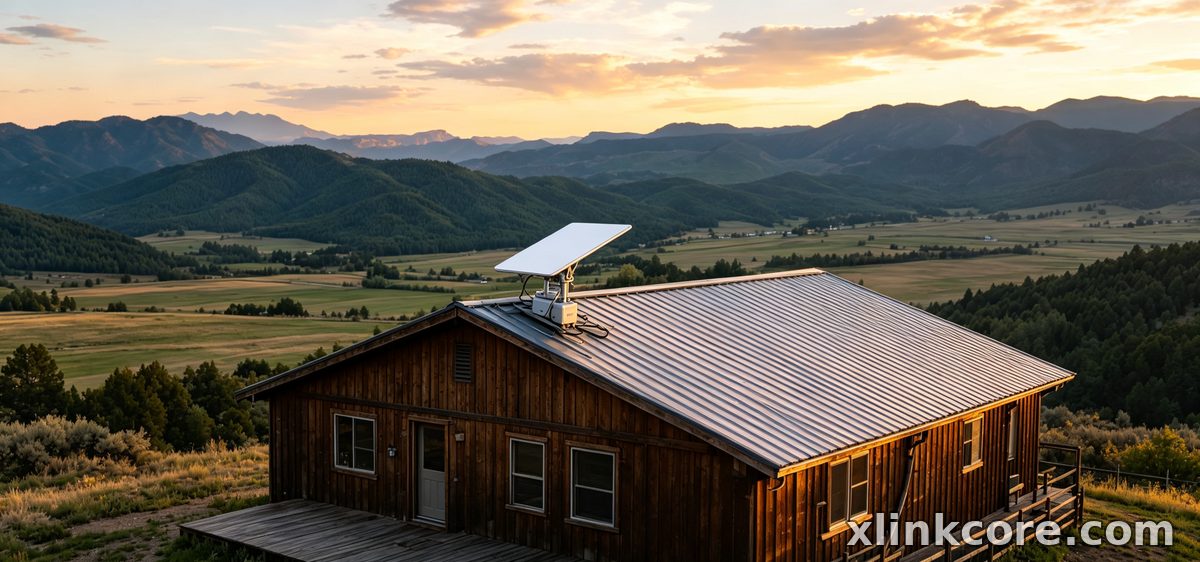
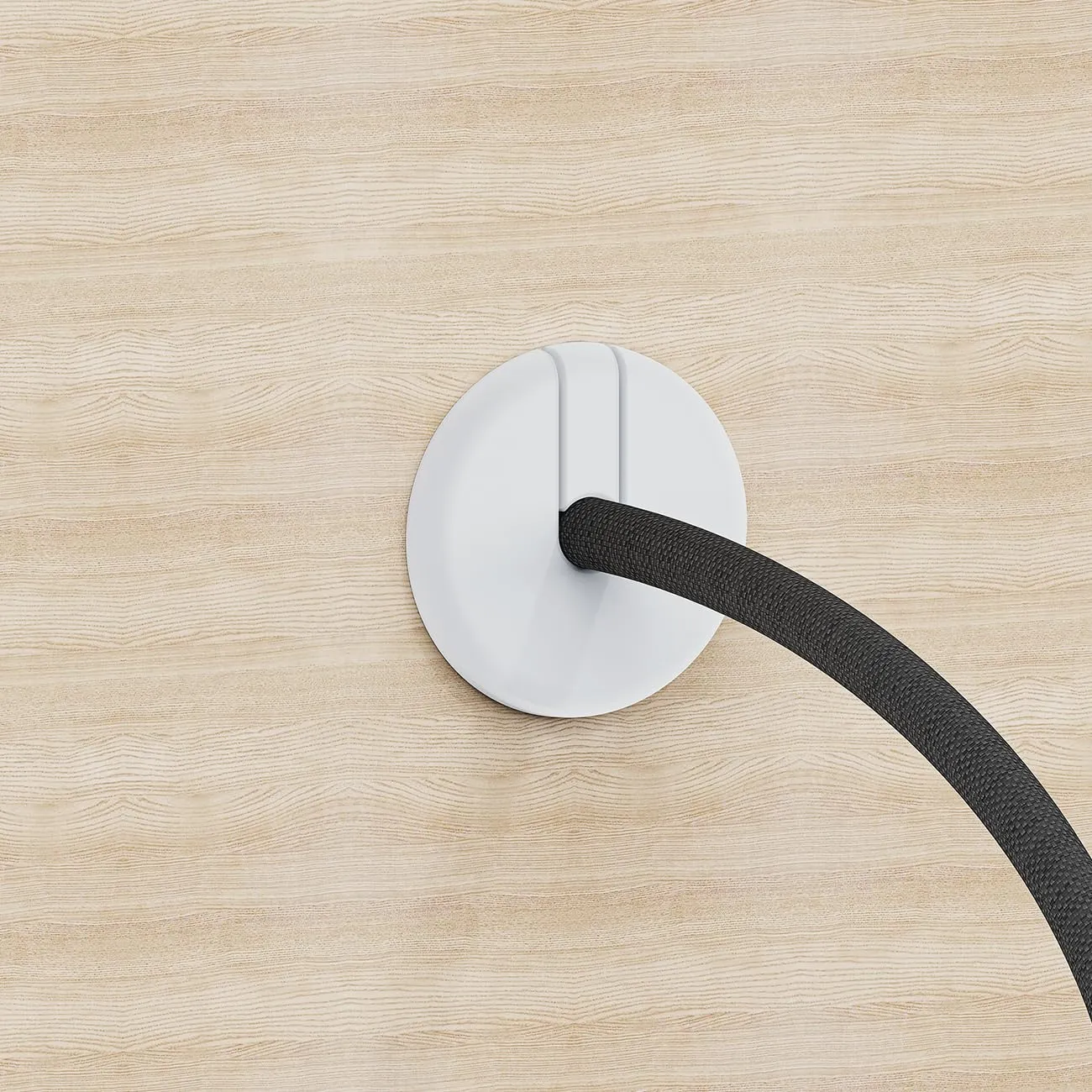
Why Your Starlink Mount Choice Matters More Than You Think
This guide compares roof, rail, pole, mast, wall and adjustable options across Standard, Standard 4, 4X, V5, Mini, Gen 3 and Enterprise dishes, and explains how to match hardware to your site the first time. To browse the range by dish generation and surface type, start with XLinkCore mounts.
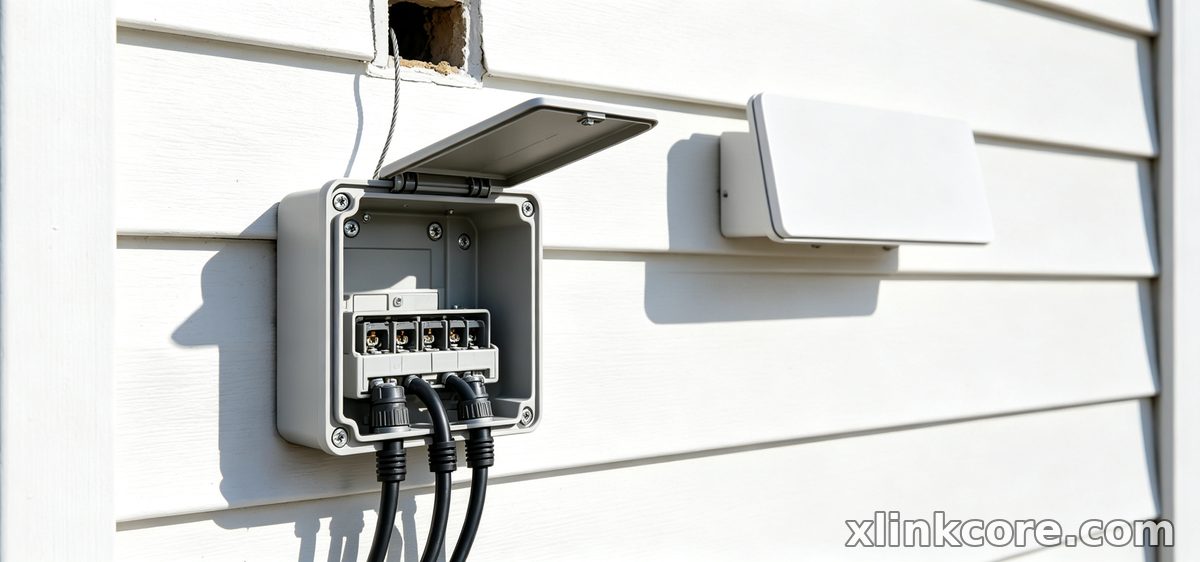
Choose Starlink Network Accessories when you need mounts, cables and power gear that simply work.
Roof Mounts: Maximum Sky View, Real Structural Loads
A starlink roof mount lifts the dish above tree lines and neighbouring buildings, which is usually the shortest route to an unobstructed view. The trade-off is load: a roof bracket must resist uplift, vibration and thermal cycling without cracking seals or voiding a roofing warranty.
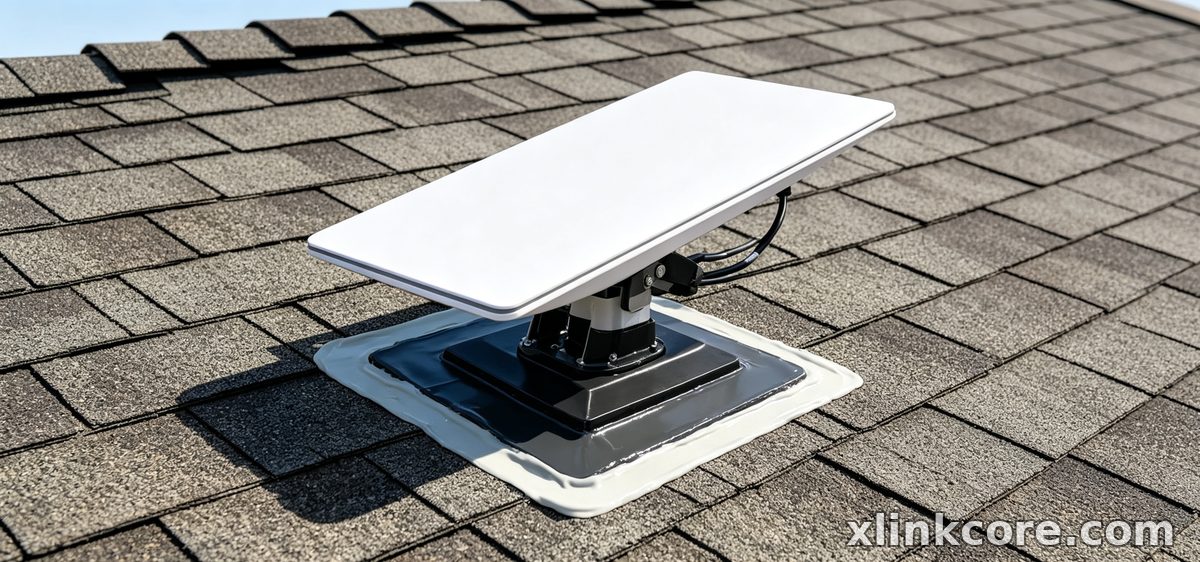
✓Metal roofs: non-penetrating seam clamps are the best starlink mount for metal roof and standing-seam profiles, because they grip the seam instead of drilling through it. Avoid clamping soft copper or thin aluminium panels.
✓Shingle and tile: fasten into rafters or trusses rather than decking alone, and seal every penetration with a flashing plate.
✓Flat roofs: a starlink flat mount base with rubber pads and ballast spreads load without puncturing the membrane and keeps the dish low enough to survive gusts.
Roof brackets from Starlink Network Accessories are drilled for standard rafter spacing, which shortens installation time on older buildings.
Pole and Mast Mounts for Rural and Tall Structures
A starlink pole mount is the classic answer for farmyards, rural properties and towers where terrain blocks the northern sky. Raising a dish three to five metres often clears more obstructions than moving it ten metres sideways.
Two rules matter. First, the mast must be rigid — a pole that flexes in gusts forces repeated re-acquisition and slower speeds. Second, the clamp must match the actual pipe diameter, not an approximation. XLinkCore pole and mast adapters use machined clamps with stainless fasteners, and the engineering team at Shenzhen Starlink Network Accessories Co., Ltd. sizes each collar to common pipe standards so the joint stays tight after months of weather.
Wall Mounts for Tight Lots and Urban Installations
A starlink wall mount solves the problem of a small yard, a narrow gap between buildings, or a rental property where roof work is not permitted. Wall arms hold the dish a short distance from the facade, which reduces signal reflections off masonry and keeps the cable run simple.
Check three things before drilling: the wall substrate must accept structural anchors, the arm must clear gutters and eaves, and the dish needs a clear view rather than a neighbouring wall. Where access is awkward, an installation guide covering cable routing and sealing saves a second trip up the ladder.
Matching Mounts to Each Dish: Standard 4, 4X, V5, Mini, Gen 3 and Enterprise
Mount plates are not universal. Latch geometry and mast diameter differ between generations, and a bracket that fits one dish may leave another loose in the wind.
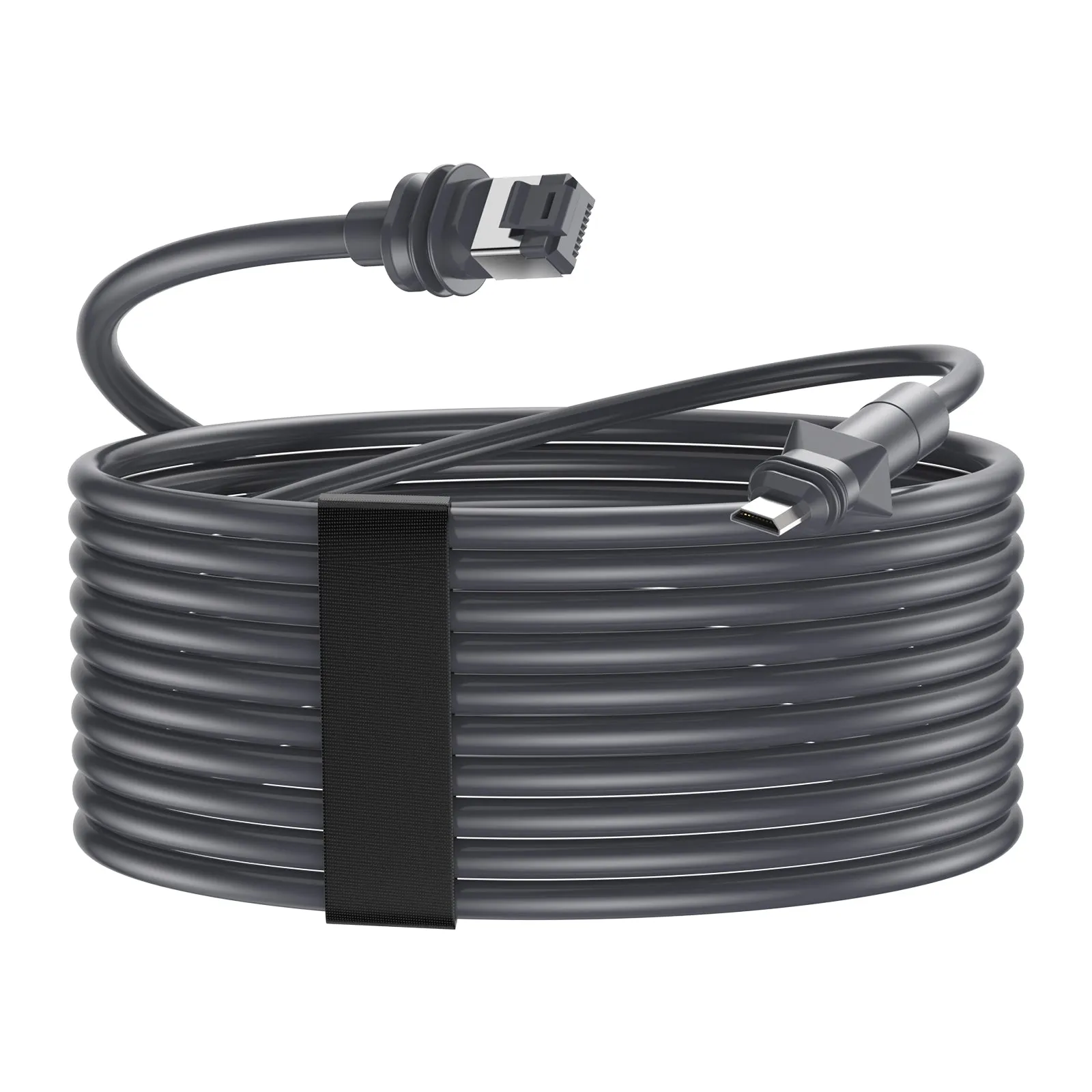
✓Standard 4 and 4X: dedicated adapters keep the tilt mechanism functional and preserve the factory mast fit. See the Standard 4X accessory range for matched brackets.
✓V5 and Gen 3: a starlink gen 3 mount typically uses a wider cradle and a reinforced mast clamp to handle the larger dish footprint.
✓Mini: a starlink mini mount is usually a compact, low-profile plate built for vehicles, carry cases and fast setup on the move. Browse Mini mounting hardware for travel-ready options.
✓Enterprise: heavier dishes need higher torque ratings and often a wider base plate to spread load.
The Starlink Network Accessories range is organised this way, so you select the dish first and the surface second instead of guessing at compatibility.
RV, Marine and Off-Grid Mounting
Mobile installations fail for different reasons than fixed ones. Vibration, salt spray and the need to stow the dish between stops all shape the design. A starlink mount for rv roof usually pairs a low-profile base with a quick-release latch, so the dish comes down before the vehicle moves and goes back up in seconds at camp.
Wiring matters as much as the bracket. Pair a rugged mount with the correct DC hardware from the RV and off-grid range so dish, router and power supply all survive a rough road. Marine users should insist on 316 stainless and sealed cable entries; XLinkCore coastal brackets are built around exactly that specification, and the Starlink Network Accessories catalogue lists them separately from inland hardware.
Adjustable Mounts: Fine-Tuning Aim Without Re-Drilling
An adjustable starlink mount lets you change azimuth and elevation as obstructions appear — a growing tree, a new extension next door, a seasonal shift in foliage. Instead of pulling anchors, you loosen two bolts, re-aim the dish and tighten again.
Adjustability does not mean weakness. The strongest designs use toothed or indexed joints that lock positively, so the dish cannot creep out of position under vibration. If your site will change over the years, this is the category worth paying a little more for. XLinkCore adjustable mounts use the same stainless hardware as the fixed range.
Manufacturing Quality Behind Every XLinkCore Mount
From first sketch to final QC, Starlink Network Accessories keeps quality at the center.
Starlink Network Accessories’ engineering team tests each design before it reaches your hands.
Mounting hardware lives outdoors for years, so material and process control decide how it ages. Shenzhen Starlink Network Accessories Co., Ltd. was founded in August 2024 and now runs a 5,000 m2 factory equipped with 25 injection molding machines and 15 welding machines. The product line covers more than 80 models built from 200 patented molds, with monthly output between 400,000 and 600,000 units.
Every XLinkCore mount is measured against that process. Products carry 3C, CE, FCC and PSE certification, and an annual export value of roughly 20-30 million USD reflects how many installers now specify Starlink Network Accessories hardware by name.
Whether you are fastening a dish to a metal roof, a boat rail or a camper shell, work in order: choose the surface, then the dish generation, then the cable route. Starlink Network Accessories builds the brackets, adapters and plates that tie those three decisions together, and XLinkCore products are made to hold a dish steady through wind, rain and heat for years rather than months.
Need the Right Accessories for Your Setup?
Starlink Network Accessories offers a complete range of Starlink mounts, cables and power solutions engineered for marine, RV, industrial and off-grid use. Contact our team for bulk orders or custom OEM/ODM solutions.
Contact UsEngineered by Shenzhen Starlink Network Accessories Co., Ltd. — Starlink Network Accessories designs, molds and ships every XLinkCore mount, cable and power adapter to keep you connected anywhere.
