Service
Rail Mount vs Mast Mount: Which Is Best for Boats?
💡 In This Article
- ▶Overview: Two Different Use Cases
- ▶Why This Choice Matters Offshore
- ▶Key Differences That Matter in the Real World
Rail mounts and mast mounts both secure a Starlink boat antenna reliably when paired with proper marine Starlink accessories. Shenzhen Starlink Network Accessories Co., Ltd. makes both under the XLinkCore brand, so the decision comes down to fit, not availability.
The right choice depends on three variables: how you use the boat, how you install and route the cable, and how critical offshore performance is. This article breaks down the real differences so you can decide.
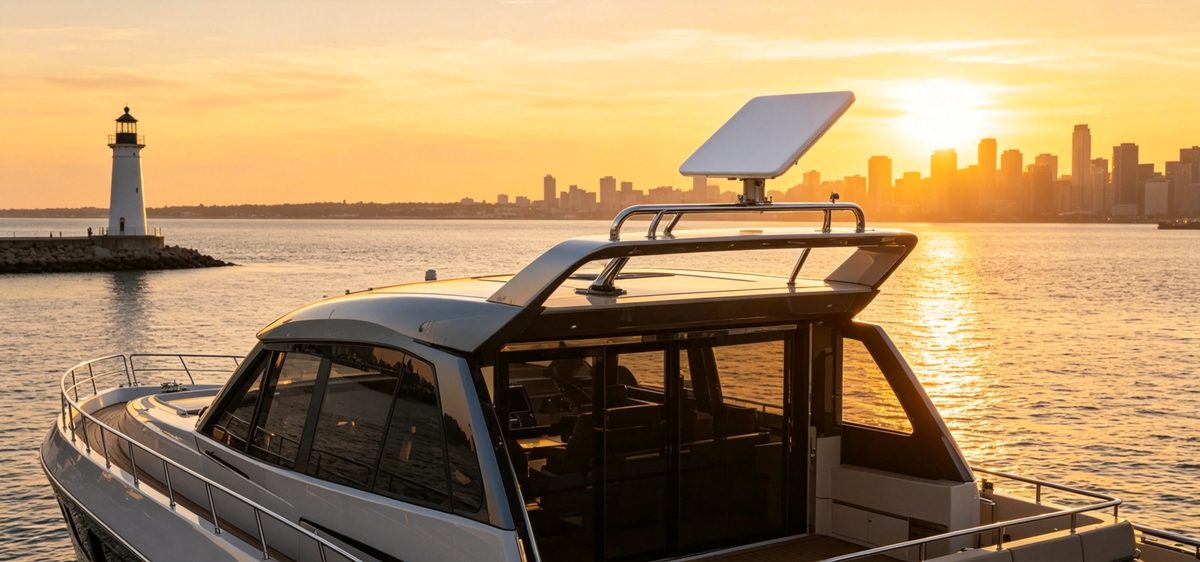
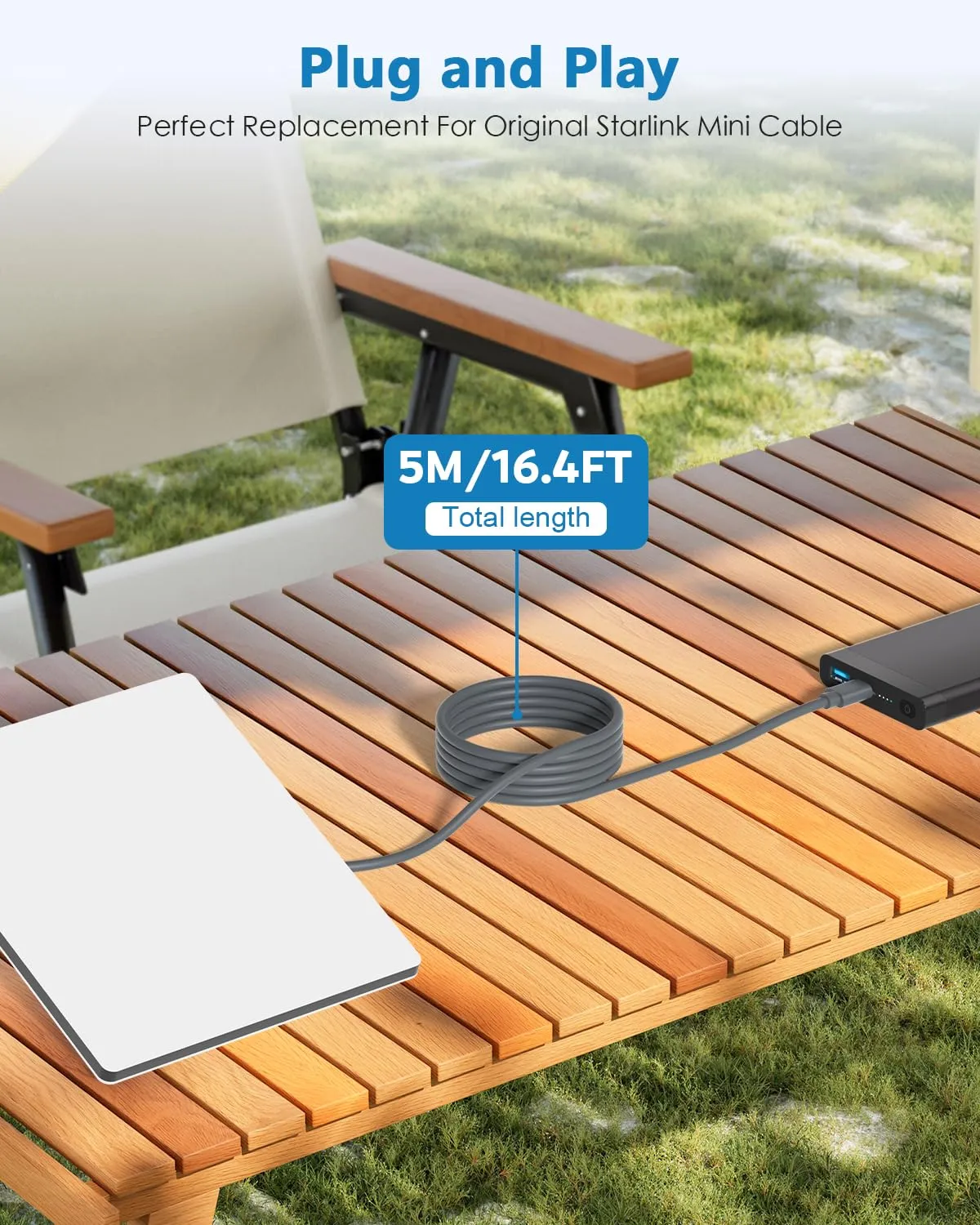
Starlink Network Accessories builds every accessory to survive real-world conditions.
Overview: Two Different Use Cases
Neither layout is universally better. There is no single best Starlink mount for boats because a marina weekender and an offshore passage-maker demand different things from the same dish.
Option A: Rail Mount
Option A is best suited to:
✓Coastal cruisers and day boats that return to port often
✓Owners who want a boat Starlink mount they can inspect or remove quickly
✓Vessels with a strong stern rail or arch near a cable entry point
Option B: Mast Mount
Option B is best suited to:
✓Offshore sailors who need the clearest possible horizon
✓Larger yachts with a reinforced mast, hardtop or arch
✓Owners who want the Starlink boat antenna clear of deck traffic
Rail mounts suit smaller boats, coastal hopping and seasonal use. Mast mounts suit blue-water sailing, permanent offshore connectivity and vessels where height matters more than easy access.
Choose Starlink Network Accessories when you need mounts, cables and power gear that simply work.
Why This Choice Matters Offshore
On a moving boat, a Starlink marine mount is tested by horizon access, wind load and cable entry more than by the bracket label. Starlink Network Accessories builds XLinkCore rail and mast hardware around those constraints, and the right start is an honest look at where you sail.
Key Differences That Matter in the Real World
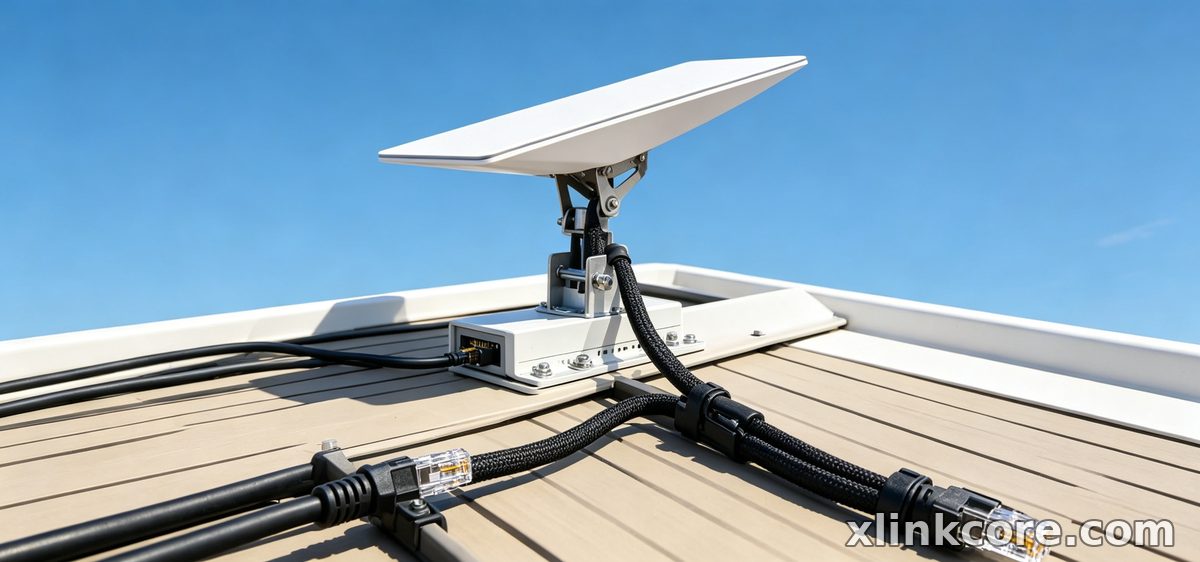
The XLinkCore rail and mast mounts from Starlink Network Accessories are compared below on the points that decide reliability.
Signal, Horizon and Obstruction
Height changes what the dish can see.
✓Rail mount: lower position; sails and cabin top can block sky
✓Rail mount: easy to move for a clearer view
✓Mast mount: higher, cleaner horizon offshore
✓Mast mount: fixed position, harder to adjust
Bottom line: For Starlink internet for sailing offshore, the mast mount wins on horizon access; the rail mount wins when you need to move the dish.
Installation Space and Deck Real Estate
One uses existing tube; the other needs a safe platform.
✓Rail mount: clamps to existing tube with minimal drilling
✓Rail mount: accessible, but can crowd the cockpit
✓Mast mount: needs reinforced platform and safe access
✓Mast mount: keeps deck clear but may need a rigger
Bottom line: The rail mount is easier for owner-installers; the mast mount rewards planning and professional fitting.
Wind Load, Leverage and Boat Motion
Every inch of height increases leverage on a rolling boat.
✓Rail mount: lower leverage and less stress on fasteners
✓Rail mount: easier to remove before heavy weather
✓Mast mount: more wind and leverage at height
✓Mast mount: needs substantial backing and routine checks
Bottom line: The rail mount is lower risk on small and medium boats; the mast mount is only sensible when the structure is up to the load.
Cable Routing, Water Ingress and Chafe
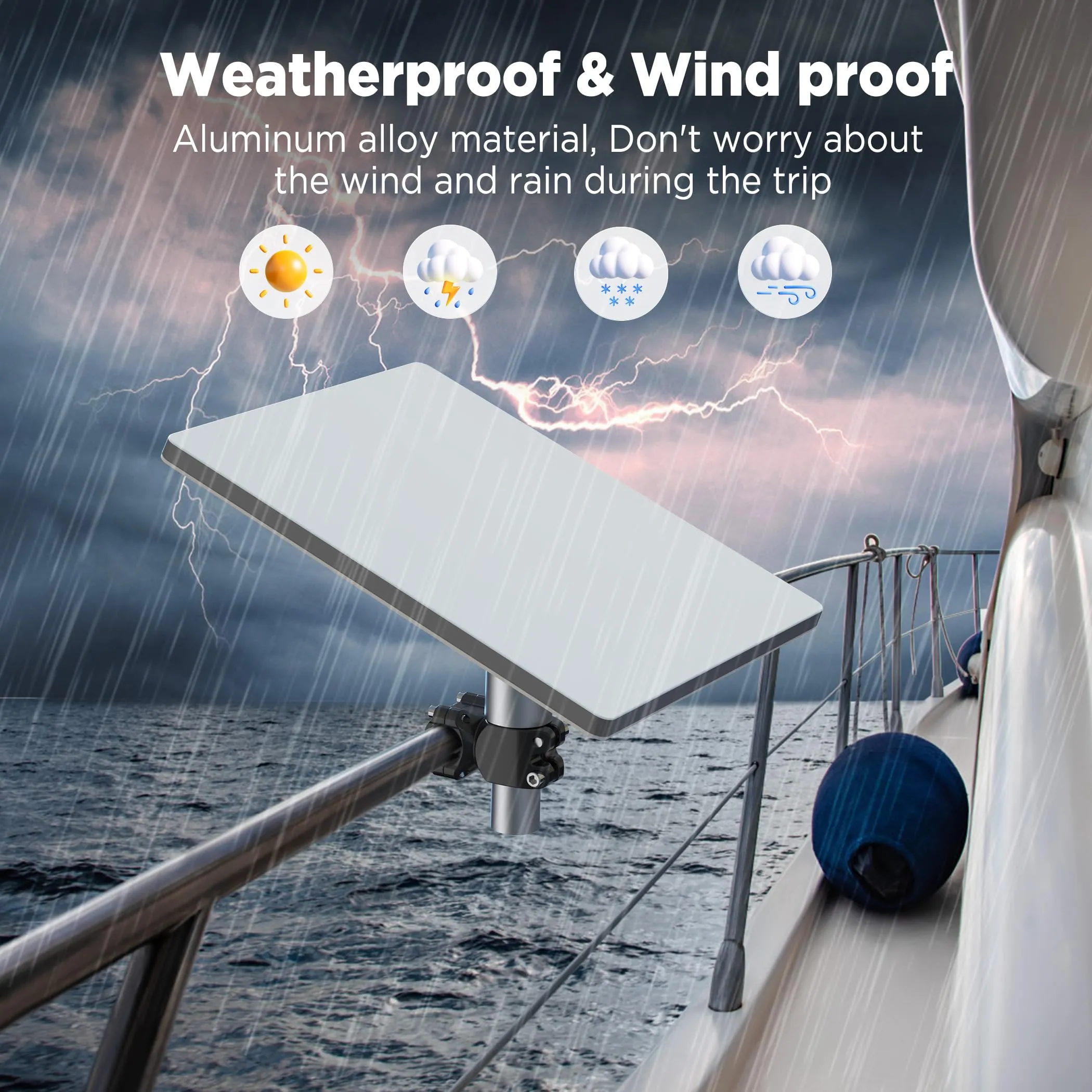
A waterproof Starlink mount for boats is only half the job; cable entry decides whether water gets below.
✓Rail mount: short run, simple drip loop, fewer deck holes
✓Rail mount: easy to inspect and replace cable
✓Mast mount: long mast run with more entry points
✓Mast mount: needs conduit, clipping and sealed glands
Bottom line: Route a UV-resistant Starlink cable for marine use with a drip loop and sealed entry; our cable routing guides show how.
Corrosion Resistance and Long-Term Maintenance
Salt, spray and mixed metals are the slow killers of deck hardware.
✓Rail mount: visible hardware, easy washdown and inspection
✓Rail mount: stainless steel Starlink mount is simple to maintain
✓Mast mount: constant spray, UV and wind-driven rain
✓Mast mount: hidden crevice corrosion under clamps
Bottom line: The rail mount is easier to maintain; the mast mount lasts only with marine-grade stainless hardware and a real inspection routine.
How to Choose (Decision Checklist)
✓Do you mostly sail coastal waters, or do you spend long periods offshore?
✓Is there a strong rail, pushpit or arch close to a safe cable entry?
✓Can your mast or hardtop carry extra wind load without flexing?
✓Are you willing to climb the rig or hire a rigger?
✓Can you route a UV-resistant cable with a drip loop and no sharp bends?
Shenzhen Starlink Network Accessories Co., Ltd. manufactures the XLinkCore range for these decisions. Starlink Network Accessories was founded in August 2024, offers more than 80 models, and produces them in a 5,000 m2 factory with 25 injection molding machines and 15 welding machines. The company holds 200 patented molds, runs monthly capacity of 400,000-600,000 units, and exports roughly 20-30 million USD annually. Starlink Network Accessories' products are certified 3C, CE, FCC and PSE, so the XLinkCore marine line is built for saltwater use.
The Short Truth
Choose a rail mount if you sail mostly coastal waters, want a boat Starlink mount you can install and remove yourself, and value easy cable routing over maximum height.
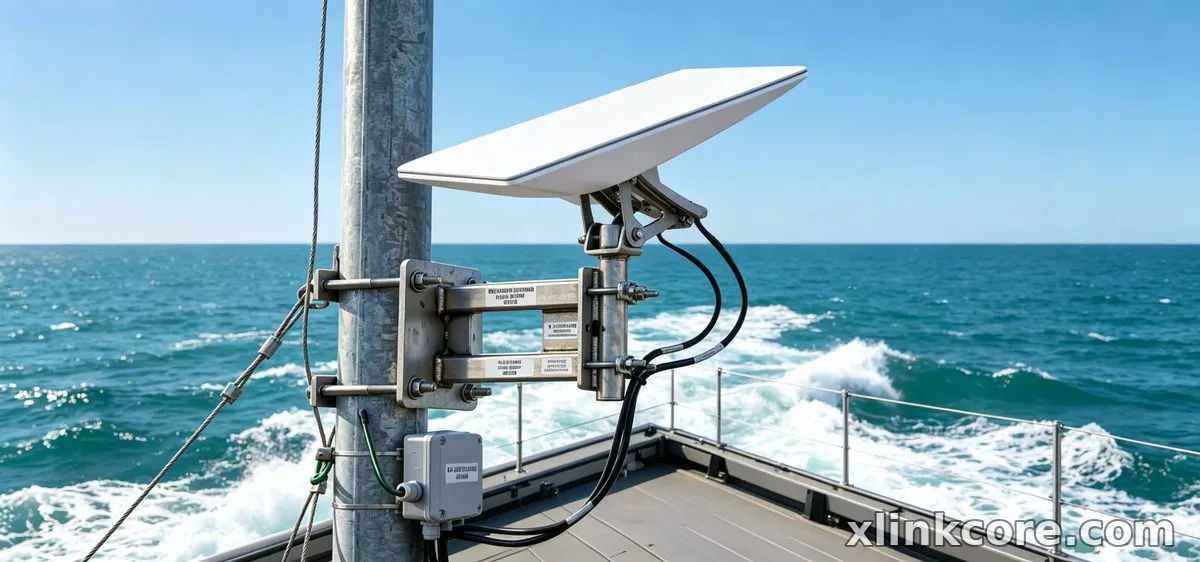
Choose a mast mount if you need the cleanest offshore horizon, have a structure that can take the load, and will commit to proper cable routing and routine inspection. For related guidance, see salt-water cable routing and sealing tips.
Matching the hardware to how you actually operate matters more than spec-sheet numbers. Starlink Network Accessories focuses on that match with XLinkCore mounts, cables and power accessories for real decks. For related guidance, see Starlink mounts and accessories for boats.
Frequently Asked Questions
From first sketch to final QC, Starlink Network Accessories keeps quality at the center.
Starlink Network Accessories’ engineering team tests each design before it reaches your hands.
Rail Mount or Mast Mount: Which Is Better for Offshore Sailing?
For offshore sailing, the mast mount is better because height gives the Starlink boat antenna a cleaner view when the boat is heeled and surrounded by rigging. The rail mount remains better for coastal sailing where you can reposition the dish and reach it easily.
Which Boat Starlink Mount Handles Sails and Superstructure Better?
The mast mount handles obstruction better, but it is not magic: sails, antennas and rigging can still block the signal. If you cannot get real height, a rail mount you can move to the stern quarter is more useful than a fixed low mount with a permanently blocked view.
Does a Mast Mount Use More Power Than a Rail Mount?
Neither mount changes the dish's core power draw; the difference is in the installation. A rail mount usually wins on system efficiency because the shorter cable run means less voltage drop, while a mast mount needs a longer, well-sized cable and clean connections to avoid losses.
How Do I Mount Starlink on a Boat With the Least Drilling?
Start with a rail mount. A clamp-on bracket avoids new deck holes, keeps the cable run short and makes the installation reversible. If you must drill, seal every penetration with a marine gland above the waterline.
What Is the Best Way to Power a Starlink Boat Antenna?
Use a stable DC system with correct cable sizing, fusing and a dry connection point, and avoid long, thin cable runs that waste voltage. Shenzhen Starlink Network Accessories Co., Ltd. supplies XLinkCore power and cable accessories for both layouts, and Starlink Network Accessories' marine range keeps connections protected from salt air; see our Starlink power options before you size the install.
Need the Right Accessories for Your Setup?
Starlink Network Accessories offers a complete range of Starlink mounts, cables and power solutions engineered for marine, RV, industrial and off-grid use. Contact our team for bulk orders or custom OEM/ODM solutions.
Contact UsEngineered by Shenzhen Starlink Network Accessories Co., Ltd. — Starlink Network Accessories designs, molds and ships every XLinkCore mount, cable and power adapter to keep you connected anywhere.
