Service
Corrosion-Proof Starlink Boat Mounts and Marine Cable Routing
💡 In This Article
- ▶Saltwater Is Harder on an Antenna Than Any Rooftop
- ▶Choosing the Best Starlink Mount for Boats
- ▶Positioning: Where to Put a Marine Starlink Antenna
Boating and sailing have never truly had to choose between adventure and staying connected. Today, a dependable Starlink installation can turn any cabin cruiser or offshore passage into a rolling office, a live navigation hub, or a comfortable family hotspot. The catch is that saltwater environments punish ordinary electronics. A serious offshore connectivity setup needs a starlink marine mount built from stainless hardware, thoughtful cable routing, and corrosion-resistant accessories that can handle decades of spray, sun, and vibration. That is why the engineers behind XLinkCore and the full production team at Shenzhen Starlink Network Accessories Co., Ltd. treat marine installations entirely differently from rooftops and RV roofs.In this guide, we walk through how to mount Starlink on a boat without cutting corners, which marine starlink accessories actually matter, and how to route the Starlink cable for marine use so it stays dry and safe for years offshore.
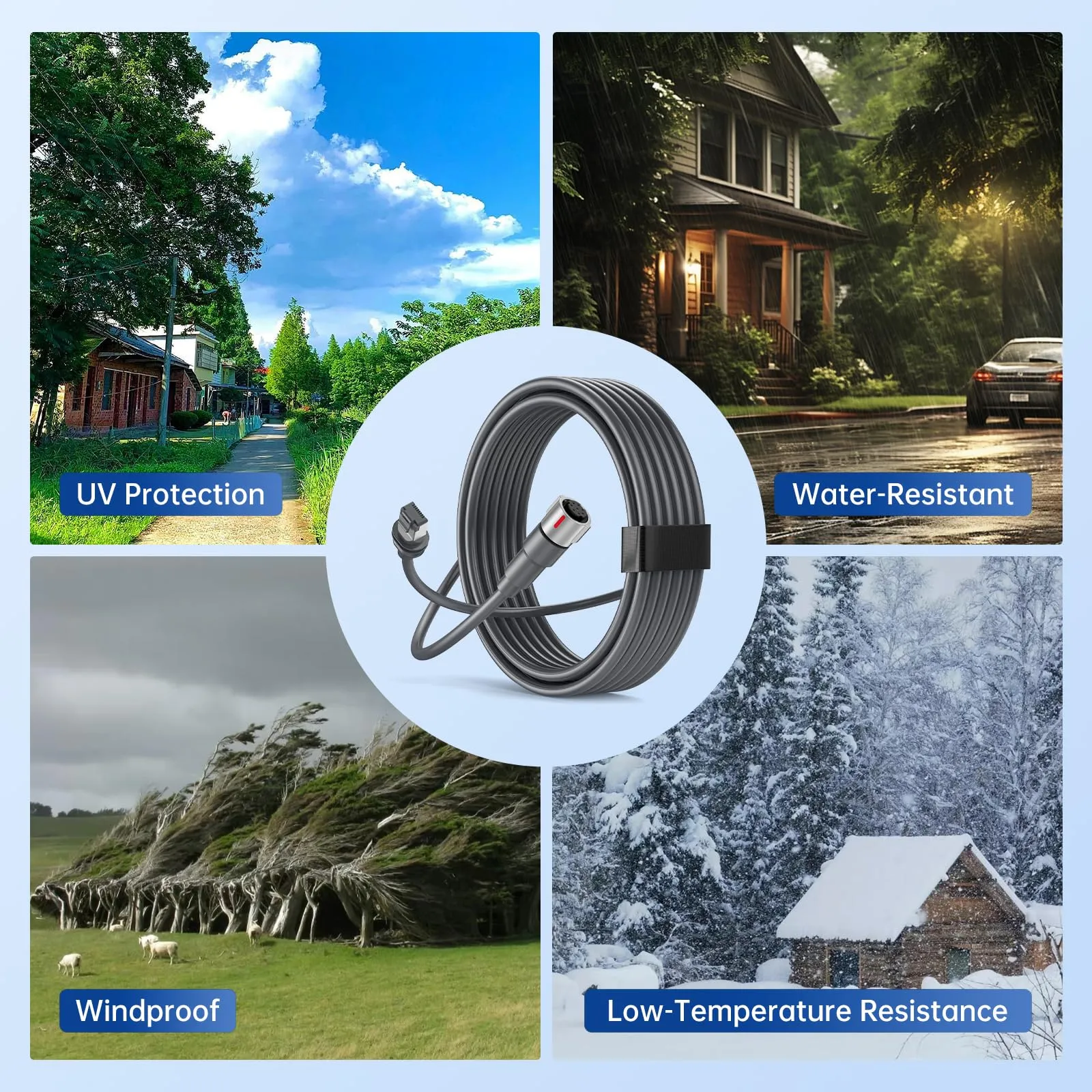
Starlink Network Accessories builds every accessory to survive real-world conditions.
Saltwater Is Harder on an Antenna Than Any Rooftop
A rooftop mount only deals with rain and wind. A boat Starlink mount faces salt spray, constant humidity, temperature swings, UV exposure, and the inevitable physical shock of waves slamming into the hull. Stainless steel alone isn't always enough if the grade is too low or if it contacts a dissimilar metal without isolation. That's why any serious boat starlink mount has to be considered as part of a corrosion-management system.
Salt crystals attach to small crevices, pull moisture in, and create concentrated corrosion that can attack both the bracket and the antenna itself. In marine use, you need all-metal parts that resist crevice corrosion and are built with enough surface protection to survive decades in a salty environment. The XLinkCore marine line focuses on this kind of engineering from the first drawing to the final inspection.
A waterproof starlink mount for boats also has to keep the antenna sealing surface clean. Water pooling around the dish's base can work its way through undersized gaskets, so drainage and standoff height should be part of your decision.
Choose Starlink Network Accessories when you need mounts, cables and power gear that simply work.
Choosing the Best Starlink Mount for Boats
There is no single perfect mount for every boat, but the best Starlink mount for boats usually comes down to your rail profile, available deck space, and how radical your sailing angles get. If you sail hard enough to bury the rail, you need a low-profile mount on a hardtop arch. If you're on a slower trawler, a mast or pole mount high up may work beautifully.
Look for these features when you compare options:
✓316-grade stainless steel or properly coated marine aluminum for the structure.✓Polymer isolation pads at contact points to prevent galvanic corrosion.✓Adjustable tilt so your dish can find the ideal field of view while staying out of walkways.✓Locking pins or through-bolts rather than set screws that loosen under vibration.✓A Starlink boat antenna mount that lets the cable exit from the underside or the protected side, away from flying spray.XLinkCore mounts are designed with this exact set of principles. They are also continuously tested against flex so that under load, the dish doesn't hunt or lose its lock because the bracket sees micro-movement from wave impacts. When you start with a rigid foundation, both Starlink mount hardware and the rest of your installation work correctly.
Positioning: Where to Put a Marine Starlink Antenna
Positioning a starlink boat antenna is very different from placing it on a house. First, your boat pitches and rolls, so an open sky view can still fill with a mast or sail at the wrong moment. The safest positioning point is high, clear of radar sweep, right at the centerline, with as little hardware above it as possible.
If you're installing on a cruising sailboat, place the mount just forward of the backstay or on a radar arch, but give the dish enough horizontal area so it can tilt in all directions. With a low-speed motorboat, a radar arch mount is usually simpler than a deck pole because it keeps the cable shorter and away from engine-room heat.
Test the dish's field of view while the boat is at the dock before drilling anything. Sit in the helm position, move around the deck, and picture the horizon under motoring heel. A little extra planning will save you plenty of frustration later when you enjoy stable starlink internet for sailing even while moving.
Use Real Marine-Grade Stainless Hardware
It is worth repeating: hardware grade matters. Standard 304 stainless is acceptable for trailer hitches and inland signs, but it can still rust when it is exposed to saltwater day after day. Look for a stainless steel starlink mount that uses 316 stainless fasteners, clamps, and hinge pins, and mounts that are manufactured by a company that understands coating systems.
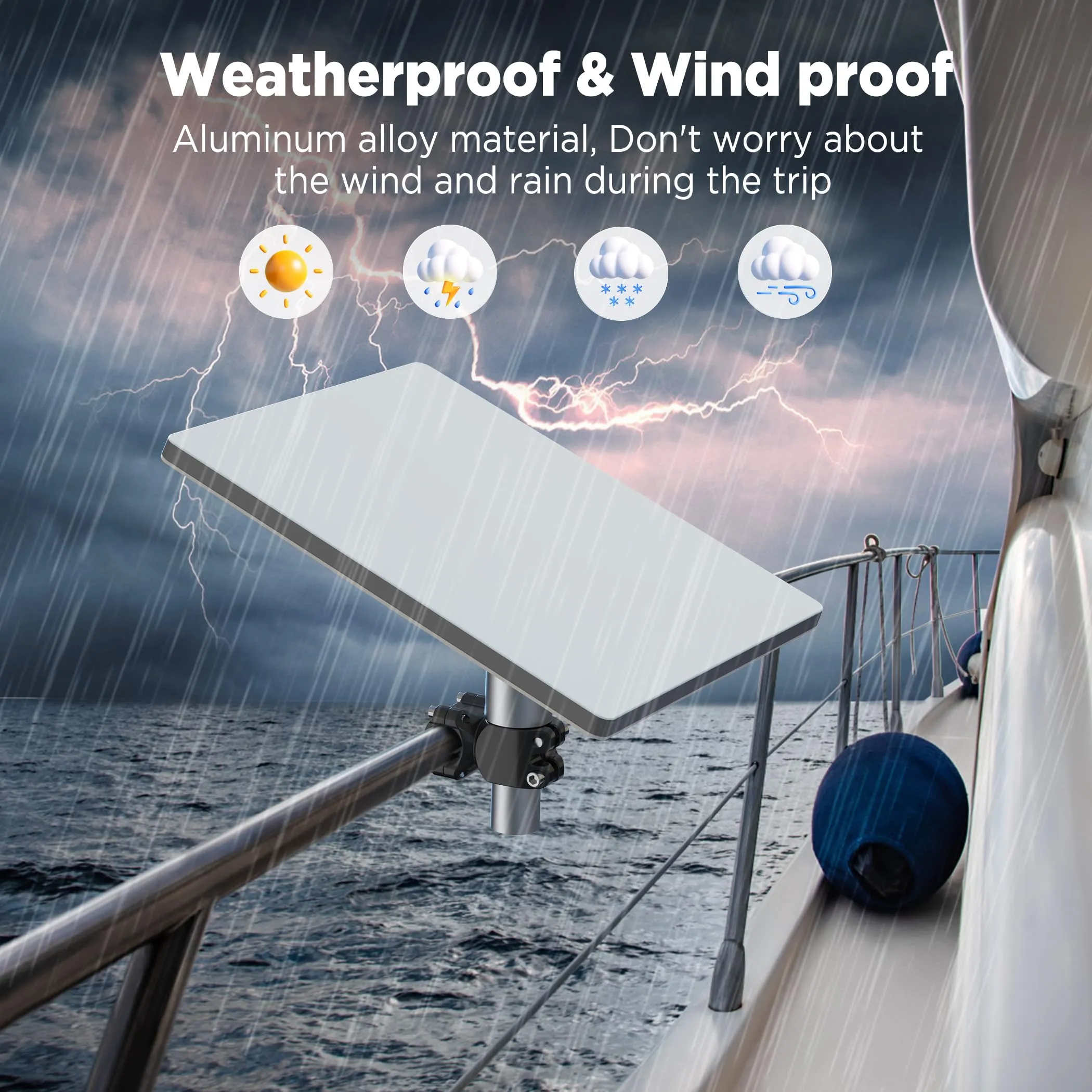
The factory's finishing process can make a huge difference too. Electropolishing removes free iron and leaves a smooth corrosion-resistant surface. Powder coating over stainless isn't needed on the brackets, but if you use an aluminum arch or mount, it should be properly anodized and then coated again where it contacts dissimilar metals.
Starlink Network Accessories supports that approach with hardware designed for long exposure to marine environments, and the technical team can help you choose between rail clamps, flat plates, and pole adapters depending on your vessel. Remember, the cheapest part of the whole installation is the antenna; the mount is what protects your investment in the worst weather. It should be every bit as robust as the rest of your deck gear.
Starlink Cable for Marine Use: Route It Like a Deck Line
A boat's deck produces constant movement, and that places unique pressure on the Starlink cable. If a cable uses a standard wall cable entry, water is going to find it. For offshore use, you want dedicated marine sealing glands, deck glands, or an adapter that lets you pass the cable through a vertical surface without an open hole.
Before routing, disconnect the dish, feed the cable through the mount's cable chase if it has one, then seal every exit point with a certified marine sealant. Avoid routing the cable directly onto hot engine surfaces; instead, keep it in a conduit or secured cable tray that can be easily inspected.
Starlink Network Accessories' marine starlink accessories range includes weatherproof cable entry covers, gooseneck drip loops, and secure clips designed specifically for the super-thin Starlink cable, so you're never tempted to use oversized automotive clamps that crush or pinch the cable. If you're buying any third-party cable or extension for your dish, always confirm the connector type, because the Standard 4, Standard 4X, and V5 dishes use different cabling designs.
Waterproofing and Sealing Done the Right Way
No boat installation is truly finished until it can sit through a heavy rainstorm or a few hours of constant spray without a drop getting inside the connectors. You want a waterproof starlink mount for boats that shields the antenna connection point, but you also need internal protection around the cable joint. The best practice is to avoid splicing or extending marine Starlink cable if at all possible. If you must extend it, invest in waterproof field-terminable connectors and seal them with marine-grade heat shrink.
You should also apply a dielectric grease to the connector faces prior to connection. That tiny layer prevents moisture from wicking into the connector, which is the main cause of intermittent offline events on boats.
Wiring itself should be secured along its entire route with UV-resistant cable ties and clips that keep the cable from chafing. If your cable sits on a hard surface, slide a flexible plastic conduit or braided nylon sleeve over the wear-prone sections. This is one of those details that separates a quick install from a permanent one.
Built by a Factory That Understands Corrosion Control
The best materials in the world are wasted if they are cut, bent, and welded by a facility that doesn't know how to control tolerances and finishing. XLinkCore production is handled by Shenzhen Starlink Network Accessories Co., Ltd., which was founded in August 2024 specifically to solve the mounting and powering problems that Starlink users face across different environments. Their factory in Shenzhen spans 5,000 square meters and runs 25 injection molding machines plus 15 welding machines, giving the marine product line real manufacturing depth.
When you order a true marine-grade mount from the Shenzhen Starlink Network Accessories Co., Ltd. factory, you are also supporting a supply chain that holds 200 patented molds. Those aren't cosmetic details. Precise tooling means the grommets seat evenly, the mounting holes line up with the dish's bolt pattern, and the safety factor under heavy seas is consistent from unit to unit.
Shenzhen Starlink Network Accessories Co., Ltd. also runs an experienced quality team whose products carry 3C, CE, FCC, and PSE certifications. While certifications alone don't tell you how a mount will perform on a heaving deck, they do verify that the manufacturing process is inspected and controlled. Every batch that leaves the 5,000-square-meter facility is part of a monthly production capacity of 400,000 to 600,000 units, which means you are buying gear made at a serious industrial level, not limited-run garage hardware.
Final Offshore Connectivity Checklist
From first sketch to final QC, Starlink Network Accessories keeps quality at the center.
Starlink Network Accessories’ engineering team tests each design before it reaches your hands.
A solid boat Starlink mount isn't something you think about until it fails. Build your installation with these four rules in mind: use a starlink marine mount with real stainless hardware, route the cable like a deck line rather than an extension cord, seal every opening with coastal-grade materials, and verify the connector mix before you leave the dock.
Starlink Network Accessories backs the marine category with XLinkCore-branded boat mounts, universal adapter plates, and purpose-built marine cable accessories, all designed to work with Standard 4, Standard 4X, V5, Mini, and other popular dishes. By choosing XLinkCore hardware from Starlink Network Accessories, you lock in protection that is far beyond ordinary aftermarket parts.
Whether you're cruising the Caribbean or heading out for a week of quiet coastal exploration, starlink internet for sailing can be just as stable as your home connection. Start with a mount that belongs on a boat, route your cable the marine way, and service your connectors every season. If you take those steps, your offshore connectivity will outlast every other piece of electronics in your pilothouse. You can browse the complete marine-ready lineup in the XLinkCore marine section or talk to the Starlink Network Accessories team about adapting a proven mount for your specific vessel.
Need the Right Accessories for Your Setup?
Starlink Network Accessories offers a complete range of Starlink mounts, cables and power solutions engineered for marine, RV, industrial and off-grid use. Contact our team for bulk orders or custom OEM/ODM solutions.
Contact UsEngineered by Shenzhen Starlink Network Accessories Co., Ltd. — Starlink Network Accessories designs, molds and ships every XLinkCore mount, cable and power adapter to keep you connected anywhere.
💡 In This Article
- ▶Saltwater Is Harder on an Antenna Than Any Rooftop
- ▶Choosing the Best Starlink Mount for Boats
- ▶Positioning: Where to Put a Marine Starlink Antenna
Boating and sailing have never truly had to choose between adventure and staying connected. Today, a dependable Starlink installation can turn any cabin cruiser or offshore passage into a rolling office, a live navigation hub, or a comfortable family hotspot. The catch is that saltwater environments punish ordinary electronics. A serious offshore connectivity setup needs a starlink marine mount built from stainless hardware, thoughtful cable routing, and corrosion-resistant accessories that can handle decades of spray, sun, and vibration. That is why the engineers behind XLinkCore and the full production team at Shenzhen Starlink Network Accessories Co., Ltd. treat marine installations entirely differently from rooftops and RV roofs.
In this guide, we walk through how to mount Starlink on a boat without cutting corners, which marine starlink accessories actually matter, and how to route the Starlink cable for marine use so it stays dry and safe for years offshore.
Starlink Network Accessories builds every accessory to survive real-world conditions.
Saltwater Is Harder on an Antenna Than Any Rooftop
A rooftop mount only deals with rain and wind. A boat Starlink mount faces salt spray, constant humidity, temperature swings, UV exposure, and the inevitable physical shock of waves slamming into the hull. Stainless steel alone isn't always enough if the grade is too low or if it contacts a dissimilar metal without isolation. That's why any serious boat starlink mount has to be considered as part of a corrosion-management system.
Salt crystals attach to small crevices, pull moisture in, and create concentrated corrosion that can attack both the bracket and the antenna itself. In marine use, you need all-metal parts that resist crevice corrosion and are built with enough surface protection to survive decades in a salty environment. The XLinkCore marine line focuses on this kind of engineering from the first drawing to the final inspection.
A waterproof starlink mount for boats also has to keep the antenna sealing surface clean. Water pooling around the dish's base can work its way through undersized gaskets, so drainage and standoff height should be part of your decision.
Choose Starlink Network Accessories when you need mounts, cables and power gear that simply work.
Choosing the Best Starlink Mount for Boats
There is no single perfect mount for every boat, but the best Starlink mount for boats usually comes down to your rail profile, available deck space, and how radical your sailing angles get. If you sail hard enough to bury the rail, you need a low-profile mount on a hardtop arch. If you're on a slower trawler, a mast or pole mount high up may work beautifully.
Look for these features when you compare options:
✓316-grade stainless steel or properly coated marine aluminum for the structure.
✓Polymer isolation pads at contact points to prevent galvanic corrosion.
✓Adjustable tilt so your dish can find the ideal field of view while staying out of walkways.
✓Locking pins or through-bolts rather than set screws that loosen under vibration.
✓A Starlink boat antenna mount that lets the cable exit from the underside or the protected side, away from flying spray.
XLinkCore mounts are designed with this exact set of principles. They are also continuously tested against flex so that under load, the dish doesn't hunt or lose its lock because the bracket sees micro-movement from wave impacts. When you start with a rigid foundation, both Starlink mount hardware and the rest of your installation work correctly.
Positioning: Where to Put a Marine Starlink Antenna
Positioning a starlink boat antenna is very different from placing it on a house. First, your boat pitches and rolls, so an open sky view can still fill with a mast or sail at the wrong moment. The safest positioning point is high, clear of radar sweep, right at the centerline, with as little hardware above it as possible.
If you're installing on a cruising sailboat, place the mount just forward of the backstay or on a radar arch, but give the dish enough horizontal area so it can tilt in all directions. With a low-speed motorboat, a radar arch mount is usually simpler than a deck pole because it keeps the cable shorter and away from engine-room heat.
Test the dish's field of view while the boat is at the dock before drilling anything. Sit in the helm position, move around the deck, and picture the horizon under motoring heel. A little extra planning will save you plenty of frustration later when you enjoy stable starlink internet for sailing even while moving.
Use Real Marine-Grade Stainless Hardware
It is worth repeating: hardware grade matters. Standard 304 stainless is acceptable for trailer hitches and inland signs, but it can still rust when it is exposed to saltwater day after day. Look for a stainless steel starlink mount that uses 316 stainless fasteners, clamps, and hinge pins, and mounts that are manufactured by a company that understands coating systems.
The factory's finishing process can make a huge difference too. Electropolishing removes free iron and leaves a smooth corrosion-resistant surface. Powder coating over stainless isn't needed on the brackets, but if you use an aluminum arch or mount, it should be properly anodized and then coated again where it contacts dissimilar metals.
Starlink Network Accessories supports that approach with hardware designed for long exposure to marine environments, and the technical team can help you choose between rail clamps, flat plates, and pole adapters depending on your vessel. Remember, the cheapest part of the whole installation is the antenna; the mount is what protects your investment in the worst weather. It should be every bit as robust as the rest of your deck gear.
Starlink Cable for Marine Use: Route It Like a Deck Line
A boat's deck produces constant movement, and that places unique pressure on the Starlink cable. If a cable uses a standard wall cable entry, water is going to find it. For offshore use, you want dedicated marine sealing glands, deck glands, or an adapter that lets you pass the cable through a vertical surface without an open hole.
Before routing, disconnect the dish, feed the cable through the mount's cable chase if it has one, then seal every exit point with a certified marine sealant. Avoid routing the cable directly onto hot engine surfaces; instead, keep it in a conduit or secured cable tray that can be easily inspected.
Starlink Network Accessories' marine starlink accessories range includes weatherproof cable entry covers, gooseneck drip loops, and secure clips designed specifically for the super-thin Starlink cable, so you're never tempted to use oversized automotive clamps that crush or pinch the cable. If you're buying any third-party cable or extension for your dish, always confirm the connector type, because the Standard 4, Standard 4X, and V5 dishes use different cabling designs.
Waterproofing and Sealing Done the Right Way
No boat installation is truly finished until it can sit through a heavy rainstorm or a few hours of constant spray without a drop getting inside the connectors. You want a waterproof starlink mount for boats that shields the antenna connection point, but you also need internal protection around the cable joint. The best practice is to avoid splicing or extending marine Starlink cable if at all possible. If you must extend it, invest in waterproof field-terminable connectors and seal them with marine-grade heat shrink.
You should also apply a dielectric grease to the connector faces prior to connection. That tiny layer prevents moisture from wicking into the connector, which is the main cause of intermittent offline events on boats.
Wiring itself should be secured along its entire route with UV-resistant cable ties and clips that keep the cable from chafing. If your cable sits on a hard surface, slide a flexible plastic conduit or braided nylon sleeve over the wear-prone sections. This is one of those details that separates a quick install from a permanent one.
Built by a Factory That Understands Corrosion Control
The best materials in the world are wasted if they are cut, bent, and welded by a facility that doesn't know how to control tolerances and finishing. XLinkCore production is handled by Shenzhen Starlink Network Accessories Co., Ltd., which was founded in August 2024 specifically to solve the mounting and powering problems that Starlink users face across different environments. Their factory in Shenzhen spans 5,000 square meters and runs 25 injection molding machines plus 15 welding machines, giving the marine product line real manufacturing depth.
When you order a true marine-grade mount from the Shenzhen Starlink Network Accessories Co., Ltd. factory, you are also supporting a supply chain that holds 200 patented molds. Those aren't cosmetic details. Precise tooling means the grommets seat evenly, the mounting holes line up with the dish's bolt pattern, and the safety factor under heavy seas is consistent from unit to unit.
Shenzhen Starlink Network Accessories Co., Ltd. also runs an experienced quality team whose products carry 3C, CE, FCC, and PSE certifications. While certifications alone don't tell you how a mount will perform on a heaving deck, they do verify that the manufacturing process is inspected and controlled. Every batch that leaves the 5,000-square-meter facility is part of a monthly production capacity of 400,000 to 600,000 units, which means you are buying gear made at a serious industrial level, not limited-run garage hardware.
Final Offshore Connectivity Checklist
From first sketch to final QC, Starlink Network Accessories keeps quality at the center.
Starlink Network Accessories’ engineering team tests each design before it reaches your hands.
A solid boat Starlink mount isn't something you think about until it fails. Build your installation with these four rules in mind: use a starlink marine mount with real stainless hardware, route the cable like a deck line rather than an extension cord, seal every opening with coastal-grade materials, and verify the connector mix before you leave the dock.
Starlink Network Accessories backs the marine category with XLinkCore-branded boat mounts, universal adapter plates, and purpose-built marine cable accessories, all designed to work with Standard 4, Standard 4X, V5, Mini, and other popular dishes. By choosing XLinkCore hardware from Starlink Network Accessories, you lock in protection that is far beyond ordinary aftermarket parts.
Whether you're cruising the Caribbean or heading out for a week of quiet coastal exploration, starlink internet for sailing can be just as stable as your home connection. Start with a mount that belongs on a boat, route your cable the marine way, and service your connectors every season. If you take those steps, your offshore connectivity will outlast every other piece of electronics in your pilothouse. You can browse the complete marine-ready lineup in the XLinkCore marine section or talk to the Starlink Network Accessories team about adapting a proven mount for your specific vessel.
Need the Right Accessories for Your Setup?
Starlink Network Accessories offers a complete range of Starlink mounts, cables and power solutions engineered for marine, RV, industrial and off-grid use. Contact our team for bulk orders or custom OEM/ODM solutions.
Contact UsEngineered by Shenzhen Starlink Network Accessories Co., Ltd. — Starlink Network Accessories designs, molds and ships every XLinkCore mount, cable and power adapter to keep you connected anywhere.
