Service
Pole Mount vs Tower Mount: Which Is Best for Job Sites?
💡 In This Article
- ▶Overview: Two Different Use Cases
- ▶Where Each Mount Belongs on a Job Site
- ▶Key Differences That Matter in the Real World
Pole mounts and tower mounts are both routine hardware on industrial Starlink deployments, and both work. Neither is a gimmick — the difference is fitness, not quality. The right pick depends on three practical variables: how you operate the site (fixed or moving), how you install and reach the dish (ground level or height), and how critical the link is when weather and obstructions show up.
XLinkCore, the product brand of Shenzhen Starlink Network Accessories Co., Ltd., makes both, so availability will not decide this for you. This article breaks down the real differences so you can choose the mount that fits your site.
Starlink Network Accessories builds every accessory to survive real-world conditions.
Overview: Two Different Use Cases
A pole mount puts the dish on a mast that is driven, ballasted or clamped to existing steel at modest height. A tower mount lifts it onto a lattice structure or a tall rigid standoff. Same job, different physics.
Pole Mount
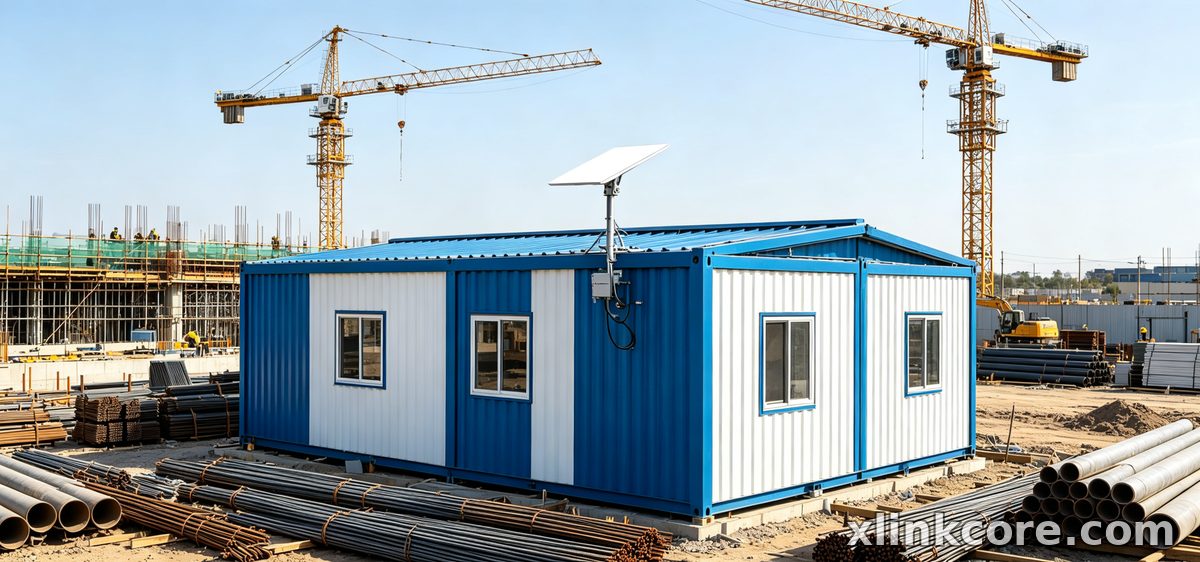
✓A pole mount is best suited to: construction sites and remote job sites that relocate every few months.
✓A pole mount is best suited to: monitoring posts where the horizon is already open.
✓A pole mount is best suited to: crews that want to service the dish and cabling from the ground.
Tower Mount
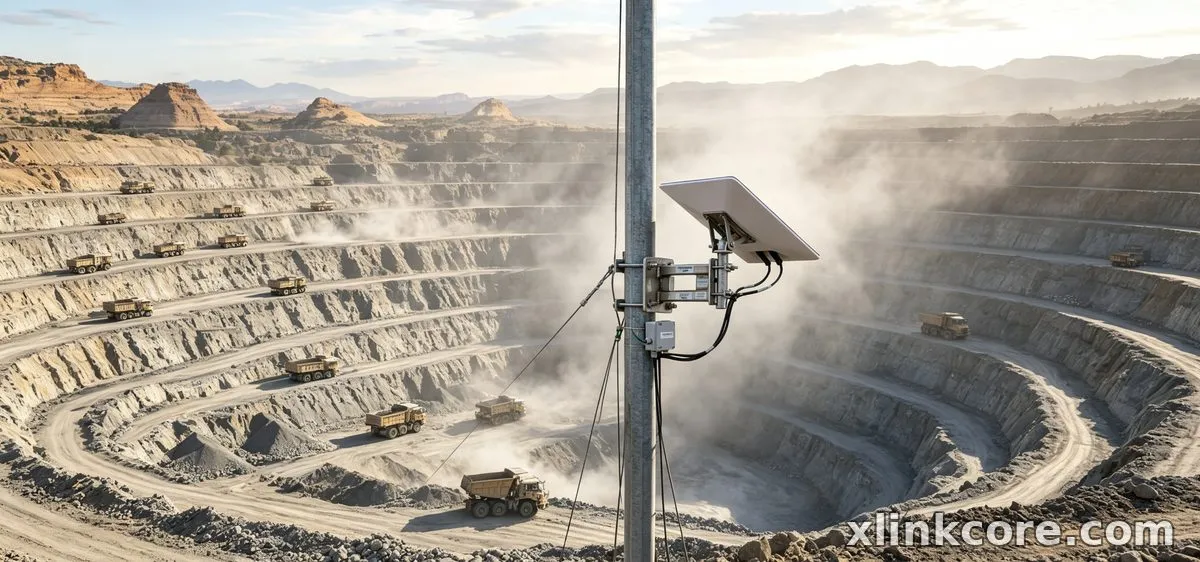
✓A tower mount is best suited to: oil and gas pads, mines and yards crowded with containers, tanks and equipment.
✓A tower mount is best suited to: semi-permanent sites where the dish must clear the skyline for years.
✓A tower mount is best suited to: ground prone to flooding, dust and vehicle traffic.
Typical pole users are contractors, survey crews and short-term posts; typical tower users are mine operators, pipeline teams and fixed industrial facilities. The Starlink Network Accessories range covers both, so the decision comes down to site conditions rather than supply.
Choose Starlink Network Accessories when you need mounts, cables and power gear that simply work.
Where Each Mount Belongs on a Job Site
On a construction site the dish usually lives beside the site trailer and moves with it — a short mast keeps the cable run tidy. Starlink for oil and gas work is a different problem: tanks, derricks and flare stacks crowd the skyline, and the link is judged on whether it holds through a shift change. Starlink for mining operations pushes further, because haul roads and pit walls move and the dish often has to sit above the dust plume. Starlink Network Accessories builds XLinkCore pole and tower brackets for exactly these cases, so review the industrial deployment range before you commit to a height.
Key Differences That Matter in the Real World
Signal Performance Under Obstruction
✓Pole mount: lower elevation, so containers and rig structures can clip the field of view.
✓Pole mount: solid where the pointing direction is genuinely clear, and fast to re-aim.
✓Tower mount: elevation clears equipment faster than any other fix.
✓Tower mount: the answer when the skyline is crowded and stays crowded.
Bottom line: the tower wins on obstructions; a pole only wins when the sky is already open.
Installation Space and Structural Load
✓Pole mount: small footprint between containers, usually no engineering sign-off.
✓Pole mount: a single mast concentrates load at the base, so the base fixing is the weak point.
✓Tower mount: needs a certified structure or lattice mast with proper anchors and ballast.
✓Tower mount: spreads wind load across several anchors and holds the dish's aim in gusts.
Bottom line: a pole fits a tight site; a well-anchored tower survives the windy season better.
Portability vs Permanence
✓Pole mount: pulls out, moves with the trailer, reinstalls in an afternoon.
✓Pole mount: suits several short-term Starlink for construction sites pads at once.
✓Tower mount: semi-permanent by design and slow to relocate.
✓Tower mount: pays off only when the site is measured in years.
Bottom line: if the site moves, the pole wins without a contest.
Cabling, Power and Service Access
✓Pole mount: short runs, easy drip loops, service at ground level.
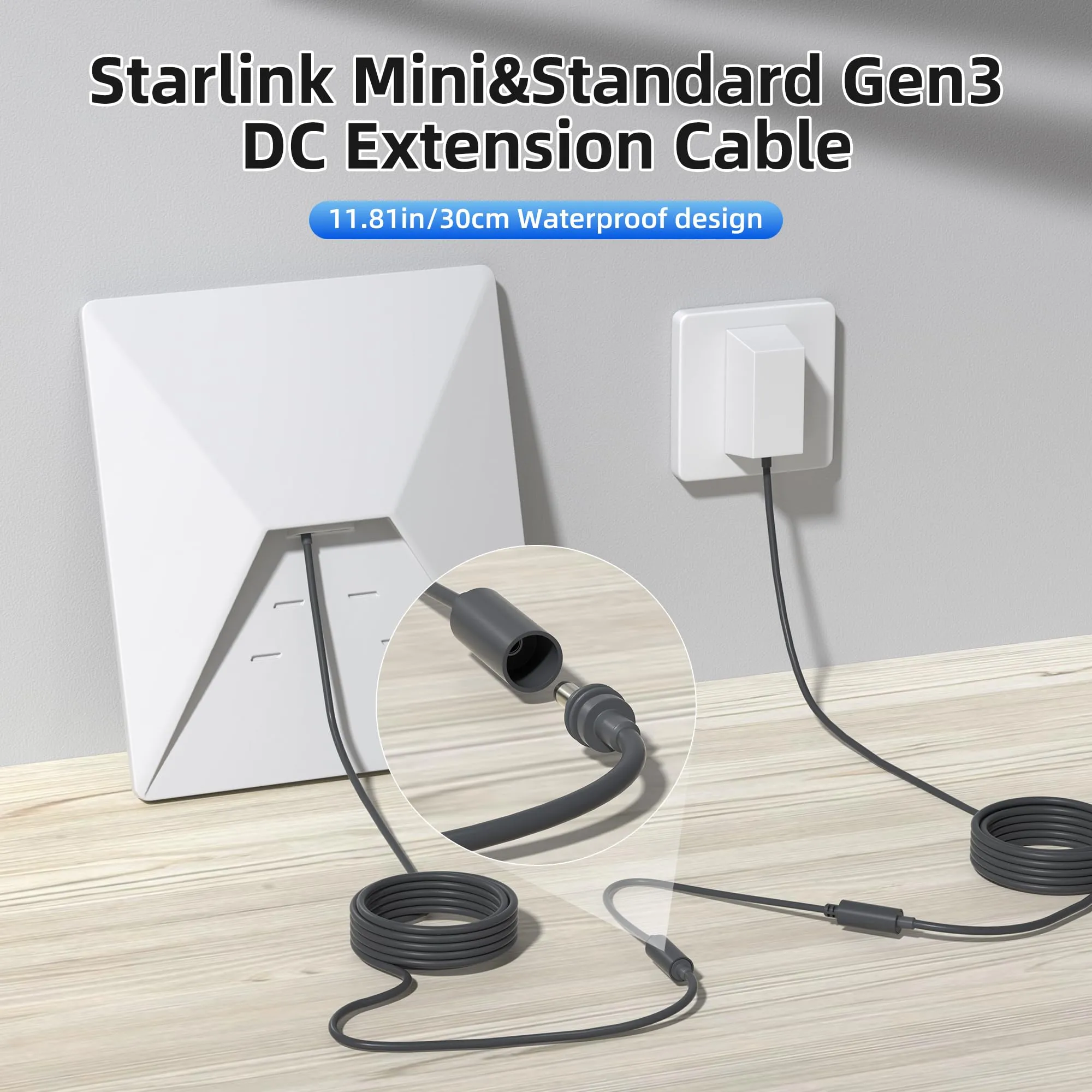
✓Pole mount: standard rugged Starlink accessories usually reach.
✓Tower mount: long runs need voltage-drop and strain-relief planning.
✓Tower mount: every service call means climbing or a lift.
Bottom line: the pole is service-friendly; the tower needs a cable and power plan before install, ideally with XLinkCore sealed connectors and the power options checked first.
Maintenance, Corrosion and Service Life
✓Pole mount: hardware stays reachable, so corrosion is caught early.
✓Pole mount: base plates and anchor bolts are the usual trouble spots.
✓Tower mount: fasteners live out of sight, so inspections must be scheduled.
✓Tower mount: longer service life, but only if that inspection happens.
Bottom line: a pole is easier to keep healthy; a tower stays healthy only when it is checked.
Power, Cables and Rugged Accessories
Whichever mount you choose, the electrical side decides reliability. Tower installs need a longer, better-protected run with sealed connectors and strain relief at both ends; pole installs are shorter but get kicked and dragged, so rugged Starlink accessories matter just as much. Shenzhen Starlink Network Accessories Co., Ltd. builds this layer as well as the mounts, so cable, adapter and bracket are matched instead of sourced from three suppliers. Starlink Network Accessories also supplies the XLinkCore power adapters and cable sets that pair with the industrial mount range.
How to Choose (Decision Checklist)
✓Does the site stay put for more than a year? Then tower.
✓Are containers, tanks, berms or pit walls blocking the horizon? Then tower.
✓Does the dish travel with a trailer or a crew? Then pole.
✓Must you service cable and power without a lift? Then pole.
✓Is the link carrying Starlink remote monitoring traffic that cannot drop? Then height and rigidity win.
✓Is the site coastal, dusty or wind-exposed? Either way, budget for sealed hardware and inspection.
Shenzhen Starlink Network Accessories Co., Ltd. has built Starlink-compatible hardware since August 2024 and now runs a product line of more than 80 models from a 5,000 m2 factory with 25 injection molding machines and 15 welding machines. Starlink Network Accessories holds 200 patented molds and ships 400,000-600,000 units a month, with products certified 3C / CE / FCC / PSE. The XLinkCore brand covers pole and tower brackets, enclosures and cabling, so one supplier can outfit an industrial Starlink antenna mount from the ground up.
The Short Truth
Choose a pole mount if the site relocates within a year, the pointing direction is already clear, and your crew needs ground-level service access.
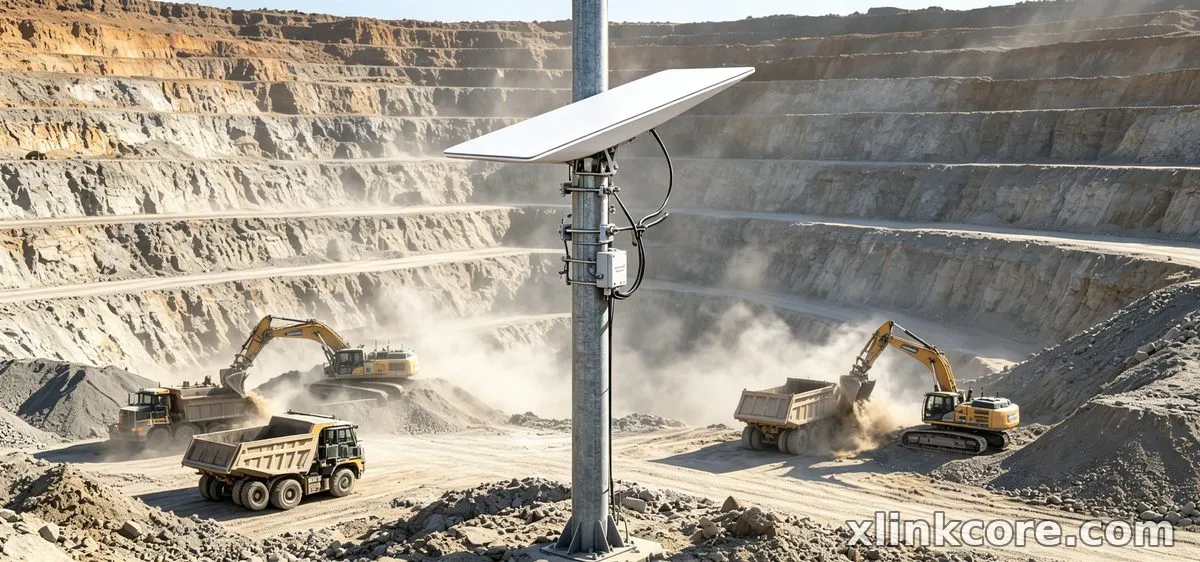
Choose a tower mount if equipment crowds the skyline, the deployment runs for years, and the link carries traffic you cannot afford to lose.
Matching hardware to how you actually operate beats any spec-sheet comparison — and the XLinkCore line is molded and welded in-house for exactly that reason.
Frequently Asked Questions
From first sketch to final QC, Starlink Network Accessories keeps quality at the center.
Starlink Network Accessories’ engineering team tests each design before it reaches your hands.
Which mount is better for industrial Starlink sites?
The tower, on almost any site where obstruction is the limiting factor — which is most oil, gas and mining locations. The pole wins wherever the deployment is temporary.
Which performs better when the dish is partly obstructed?
Height beats everything else, so the tower wins. Lifting the dish above containers and equipment removes obstructions that no amount of re-aiming fixes.
Which uses less power?
Neither mount changes the dish's draw; the cable run does. A tower's longer run loses more voltage, so specify a heavier gauge or place the power source closer.
Which is easier to install?
The pole, by a wide margin: one mast, one base, no lifting plan. Tower installs need anchors, lifting equipment and often a method statement.
How should I power an industrial Starlink setup?
Match the source to the site, not the mount — a fused DC feed for permanent installs, site AC in a sealed enclosure for temporary ones. The Starlink Network Accessories installation guides cover grounding and strain relief for XLinkCore mounts.
Need the Right Accessories for Your Setup?
Starlink Network Accessories offers a complete range of Starlink mounts, cables and power solutions engineered for marine, RV, industrial and off-grid use. Contact our team for bulk orders or custom OEM/ODM solutions.
Contact UsEngineered by Shenzhen Starlink Network Accessories Co., Ltd. — Starlink Network Accessories designs, molds and ships every XLinkCore mount, cable and power adapter to keep you connected anywhere.
