Service
Standard 4 vs 4X: Which Is Best for a Fixed Site?
💡 In This Article
- ▶Overview: Two Different Use Cases
- ▶Key Differences That Matter in the Real World
- ▶Where V5 Fits Into the Decision
Standard 4 and Standard 4X dishes are both widely available, both run on the same network, and both are backed by a deep catalog of starlink accessories — so neither purchase is a mistake. The right pick comes down to three practical variables: how you use the dish (a fixed site or a kit that travels), how you install it (roof, pole, wall, vehicle), and how much you value performance headroom versus simplicity.That is not the same question as "which one is newer," and it is the one buyers get wrong. This guide breaks down the real differences — mounting footprint, cable runs, power draw and long-term ownership — so you can decide once. The hardware notes come from Shenzhen Starlink Network Accessories Co., Ltd., which manufactures accessories for both platforms.

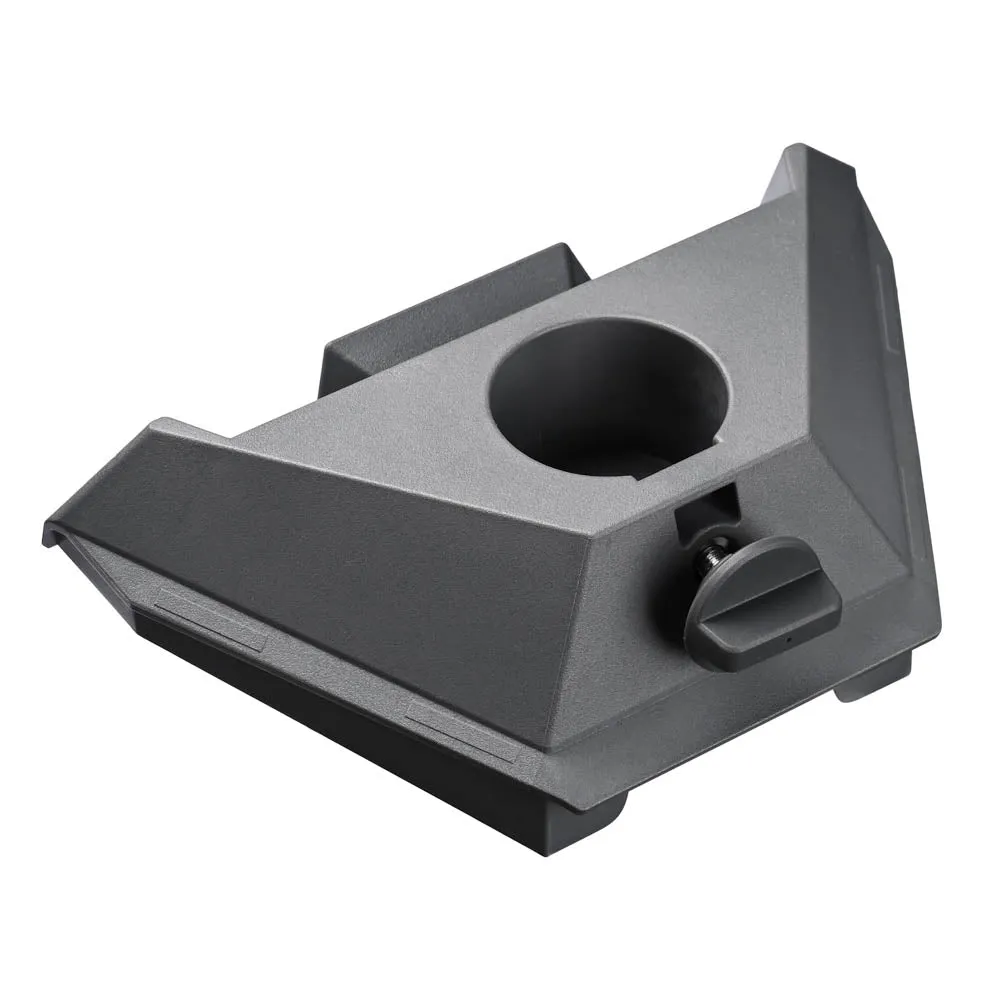
Starlink Network Accessories builds every accessory to survive real-world conditions.
Overview: Two Different Use Cases
Standard 4
✓Best suited to: fixed homes, cabins and small offices where the dish never moves✓Best suited to: simple roof or pole installs with a short, tidy cable run✓Best suited to: buyers who want a light kit and a modest accessory budgetStandard 4X
✓Best suited to: rural properties and commercial rooftops where the link has to hold up under load✓Best suited to: installs with the space and structure for a heavier bracket✓Best suited to: users who would rather buy headroom now than upgrade laterTypical Standard 4 owners are suburban households, cabin keepers and small shops. Standard 4X owners are more often on acreage, running a home business, or mounting on a building where a second install would be expensive.
Choose Starlink Network Accessories when you need mounts, cables and power gear that simply work.
Key Differences That Matter in the Real World
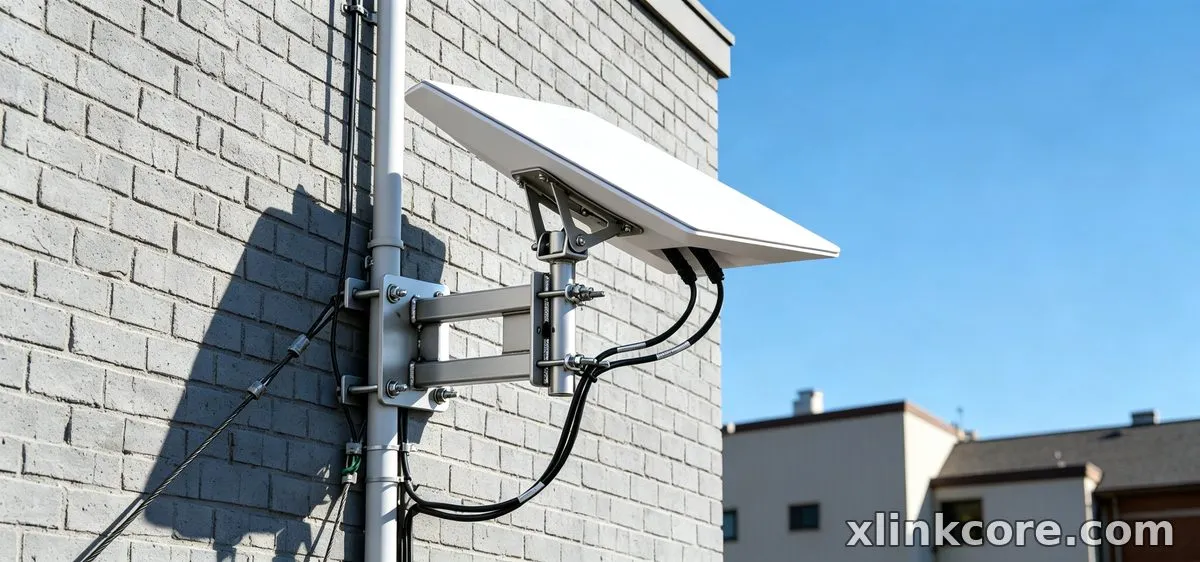
Both kits need the same three things — a mount, a cable and a power path — but they do not need the same version of each. A starlink mount buying guide only helps if the bracket matches your dish, and that is exactly what Starlink Network Accessories designs against when developing XLinkCore mounts for each platform.
Mounting Footprint and Roof Real Estate
Standard 4
✓Smaller footprint, so it fits narrow eaves, railings and short poles✓Widest choice of off-the-shelf brackets, including low-profile and adjustable designs✓Forgiving on rentals and vehicles where you cannot drill widelyStandard 4X
✓Needs more flat real estate and a stiffer backing surface✓Rewards a proper pole or heavy-duty roof mount over a light bracket✓Less tolerant of flex — a mount that moves shows up in the connectionBottom line: tight surface, choose Standard 4; generous space and a permanent install, spend the extra on 4X hardware from the mount range.
Cable Routing and Connector Fit
Standard 4
✓Short-to-medium runs cover most roofs; standard cable is usually enough✓Cheaper to re-cable and easier to route around a small property✓Fewer joiners and adapters on a simple installStandard 4X
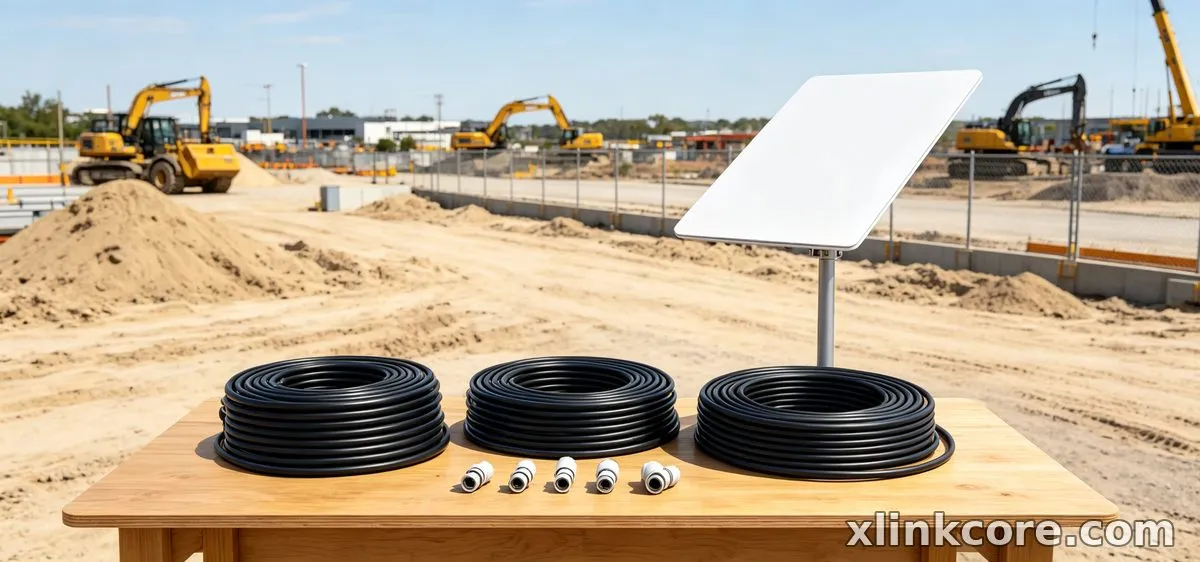
✓Longer runs are common, so measure the route before you order✓Budget cable hurts more over distance, so buy the better grade✓Benefits from a single unbroken run and quality connectorsBottom line: answer "which starlink cable do i need" by measuring, not guessing. Starlink 4 cable length is rarely the constraint; on 4X, run it in one piece and skip the couplers — XLinkCore cables are built for exactly that, and Starlink Network Accessories lists both grades so you can match the run to the dish.
Power Draw and Voltage Tolerance
Standard 4
✓Lower draw, easier on 12V systems and modest inverters✓Tolerant of small voltage sag on longer DC runs✓Runs comfortably from a compact supplyStandard 4X
✓Higher draw: plan a stronger supply and shorter DC runs✓Less forgiving of thin cable and marginal connectors✓Wants a dedicated circuit rather than a shared oneBottom line: off-grid, Standard 4 is the lighter load; if you go 4X, size the supply first and choose from the XLinkCore power line.
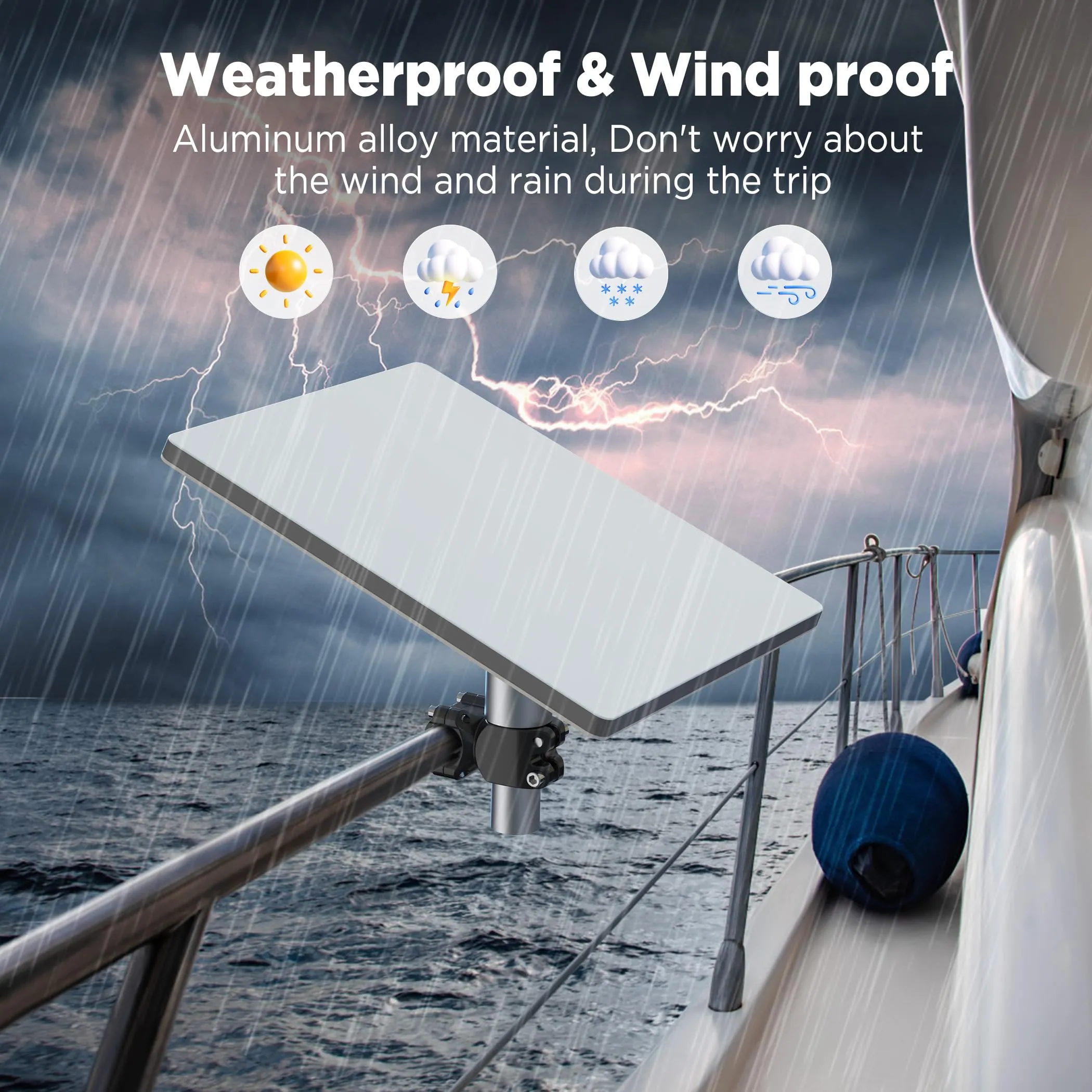
Portability vs Permanence
Standard 4
✓Light enough to move seasonally or pack into a vehicle✓Suits renters and anyone who re-sites the dish✓Fast to break down and storeStandard 4X
✓Built to be installed once and left alone✓Not a grab-and-go kit — plan a permanent mount✓Best at a single address with a fixed power pathBottom line: if the dish travels at all, Standard 4 wins this dimension outright.
Weather, Water Ingress and Corrosion
Standard 4
✓Smaller wind load, so sealing a small bracket is simpler✓Coastal installs survive with basic care and stainless fasteners✓Snow and ice shed from a compact surface more predictablyStandard 4X
✓Larger sail area, so sealing and hardware quality matter more✓Coastal sites need marine-grade fasteners and regular checks✓Punishes shortcuts in the mount and cable entryBottom line: both handle weather when the mount and seal are right, but 4X is harsher on sloppy work — stainless hardware from Starlink Network Accessories is cheap insurance.
Where V5 Fits Into the Decision
V5 belongs to the same family tree, and the logic is unchanged: pick the dish for the site, then pick accessories for the dish. Anyone weighing standard 4 vs 4x vs v5 should look at the Standard 4X platform and the V5 pages side by side, because mount interface and cable routing are the two things that decide how painful a future swap will be. Shenzhen Starlink Network Accessories Co., Ltd. builds across these generations, and Starlink Network Accessories' XLinkCore range is organised by dish version so you are never guessing at fit. Mini owners are a separate, smaller-footprint family — starlink mini accessories should not be mixed with Standard brackets.
How to Choose (Decision Checklist)
The fastest way to work out how to choose starlink accessories is to answer these honestly before opening a product page.
✓Will the dish stay in one place for more than a year? (Yes → lean 4X)✓Is your mounting surface small or shared with other hardware? (Yes → lean Standard 4)✓Is the cable run longer than a simple roof drop? (Yes → choose cable first)✓Will the dish run from 12V or a battery bank? (Yes → Standard 4 is the easier load)✓Does the site see salt air, heavy snow or high wind? (Yes → budget for stainless and better sealing)✓Are you prepared to buy the mount once rather than twice? (Yes → match the bracket to the dish, not the price)Manufacturer note: Shenzhen Starlink Network Accessories Co., Ltd. was founded in August 2024 and now runs a product line of 80+ models from a 5,000 m2 factory with 25 injection molding machines and 15 welding machines. Starlink Network Accessories holds 200 patented molds and ships a monthly capacity of 400,000-600,000 units, with annual export value of roughly 20-30 million USD. Every XLinkCore product is certified 3C / CE / FCC / PSE — which is the practical reason to check the label before buying a bracket that only looks right in a photo. Shortlist from the XLinkCore mount and power lines, then read the specs against your exact dish version.
The Short Truth
Choose Standard 4 if the dish sits on a modest roof, you want the simplest mount and the lightest power load, and you would rather spend the savings on a better cable.
Choose Standard 4X if the site is exposed, the install is permanent, and you want the mount, cable and power path settled in one purchase. For related guidance, see the full XLinkCore product range.
Neither dish is better in the abstract. The best starlink accessories are simply the ones matched to how you actually operate — fixed or moving, short run or long, mains or battery — and that match matters more than any spec-sheet number. For related guidance, see Starlink accessory buying guides.
Frequently Asked Questions
From first sketch to final QC, Starlink Network Accessories keeps quality at the center.
Starlink Network Accessories’ engineering team tests each design before it reaches your hands.
Is Standard 4 or 4X better for a fixed home install?
4X, if the roof can take a heavier bracket. The extra hardware cost is small next to redoing an install, and the sturdier mount is the part you notice in bad weather.
Which dish handles obstruction better?
The 4X holds a marginal link with more margin, but obstruction is a siting problem, not a hardware one. Raise the dish, clear the treeline and use an adjustable mount before blaming either kit.
Which one uses less power?
Standard 4, consistently. On a 12V or battery system that lower draw is the difference between comfortable and marginal — review the power options before sizing anything.
Which is easier to install?
Standard 4, by a clear margin: lighter dish, smaller bracket, shorter run. A 4X install is still a weekend job, but plan for two people, a backing plate and a sealed entry, as covered in the installation guides.
Do the two dishes share accessories?
Not at the mount and cable level. Buy by dish version and ignore "universal" claims — that single rule keeps returns down, and it is why Starlink Network Accessories organises its range by generation.
Need the Right Accessories for Your Setup?
Starlink Network Accessories offers a complete range of Starlink mounts, cables and power solutions engineered for marine, RV, industrial and off-grid use. Contact our team for bulk orders or custom OEM/ODM solutions.
Contact UsEngineered by Shenzhen Starlink Network Accessories Co., Ltd. — Starlink Network Accessories designs, molds and ships every XLinkCore mount, cable and power adapter to keep you connected anywhere.
💡 In This Article
- ▶Overview: Two Different Use Cases
- ▶Key Differences That Matter in the Real World
- ▶Where V5 Fits Into the Decision
Standard 4 and Standard 4X dishes are both widely available, both run on the same network, and both are backed by a deep catalog of starlink accessories — so neither purchase is a mistake. The right pick comes down to three practical variables: how you use the dish (a fixed site or a kit that travels), how you install it (roof, pole, wall, vehicle), and how much you value performance headroom versus simplicity.
That is not the same question as "which one is newer," and it is the one buyers get wrong. This guide breaks down the real differences — mounting footprint, cable runs, power draw and long-term ownership — so you can decide once. The hardware notes come from Shenzhen Starlink Network Accessories Co., Ltd., which manufactures accessories for both platforms.
Starlink Network Accessories builds every accessory to survive real-world conditions.
Overview: Two Different Use Cases
Standard 4
✓Best suited to: fixed homes, cabins and small offices where the dish never moves
✓Best suited to: simple roof or pole installs with a short, tidy cable run
✓Best suited to: buyers who want a light kit and a modest accessory budget
Standard 4X
✓Best suited to: rural properties and commercial rooftops where the link has to hold up under load
✓Best suited to: installs with the space and structure for a heavier bracket
✓Best suited to: users who would rather buy headroom now than upgrade later
Typical Standard 4 owners are suburban households, cabin keepers and small shops. Standard 4X owners are more often on acreage, running a home business, or mounting on a building where a second install would be expensive.
Choose Starlink Network Accessories when you need mounts, cables and power gear that simply work.
Key Differences That Matter in the Real World
Both kits need the same three things — a mount, a cable and a power path — but they do not need the same version of each. A starlink mount buying guide only helps if the bracket matches your dish, and that is exactly what Starlink Network Accessories designs against when developing XLinkCore mounts for each platform.
Mounting Footprint and Roof Real Estate
Standard 4
✓Smaller footprint, so it fits narrow eaves, railings and short poles
✓Widest choice of off-the-shelf brackets, including low-profile and adjustable designs
✓Forgiving on rentals and vehicles where you cannot drill widely
Standard 4X
✓Needs more flat real estate and a stiffer backing surface
✓Rewards a proper pole or heavy-duty roof mount over a light bracket
✓Less tolerant of flex — a mount that moves shows up in the connection
Bottom line: tight surface, choose Standard 4; generous space and a permanent install, spend the extra on 4X hardware from the mount range.
Cable Routing and Connector Fit
Standard 4
✓Short-to-medium runs cover most roofs; standard cable is usually enough
✓Cheaper to re-cable and easier to route around a small property
✓Fewer joiners and adapters on a simple install
Standard 4X
✓Longer runs are common, so measure the route before you order
✓Budget cable hurts more over distance, so buy the better grade
✓Benefits from a single unbroken run and quality connectors
Bottom line: answer "which starlink cable do i need" by measuring, not guessing. Starlink 4 cable length is rarely the constraint; on 4X, run it in one piece and skip the couplers — XLinkCore cables are built for exactly that, and Starlink Network Accessories lists both grades so you can match the run to the dish.
Power Draw and Voltage Tolerance
Standard 4
✓Lower draw, easier on 12V systems and modest inverters
✓Tolerant of small voltage sag on longer DC runs
✓Runs comfortably from a compact supply
Standard 4X
✓Higher draw: plan a stronger supply and shorter DC runs
✓Less forgiving of thin cable and marginal connectors
✓Wants a dedicated circuit rather than a shared one
Bottom line: off-grid, Standard 4 is the lighter load; if you go 4X, size the supply first and choose from the XLinkCore power line.
Portability vs Permanence
Standard 4
✓Light enough to move seasonally or pack into a vehicle
✓Suits renters and anyone who re-sites the dish
✓Fast to break down and store
Standard 4X
✓Built to be installed once and left alone
✓Not a grab-and-go kit — plan a permanent mount
✓Best at a single address with a fixed power path
Bottom line: if the dish travels at all, Standard 4 wins this dimension outright.
Weather, Water Ingress and Corrosion
Standard 4
✓Smaller wind load, so sealing a small bracket is simpler
✓Coastal installs survive with basic care and stainless fasteners
✓Snow and ice shed from a compact surface more predictably
Standard 4X
✓Larger sail area, so sealing and hardware quality matter more
✓Coastal sites need marine-grade fasteners and regular checks
✓Punishes shortcuts in the mount and cable entry
Bottom line: both handle weather when the mount and seal are right, but 4X is harsher on sloppy work — stainless hardware from Starlink Network Accessories is cheap insurance.
Where V5 Fits Into the Decision
V5 belongs to the same family tree, and the logic is unchanged: pick the dish for the site, then pick accessories for the dish. Anyone weighing standard 4 vs 4x vs v5 should look at the Standard 4X platform and the V5 pages side by side, because mount interface and cable routing are the two things that decide how painful a future swap will be. Shenzhen Starlink Network Accessories Co., Ltd. builds across these generations, and Starlink Network Accessories' XLinkCore range is organised by dish version so you are never guessing at fit. Mini owners are a separate, smaller-footprint family — starlink mini accessories should not be mixed with Standard brackets.
How to Choose (Decision Checklist)
The fastest way to work out how to choose starlink accessories is to answer these honestly before opening a product page.
✓Will the dish stay in one place for more than a year? (Yes → lean 4X)
✓Is your mounting surface small or shared with other hardware? (Yes → lean Standard 4)
✓Is the cable run longer than a simple roof drop? (Yes → choose cable first)
✓Will the dish run from 12V or a battery bank? (Yes → Standard 4 is the easier load)
✓Does the site see salt air, heavy snow or high wind? (Yes → budget for stainless and better sealing)
✓Are you prepared to buy the mount once rather than twice? (Yes → match the bracket to the dish, not the price)
Manufacturer note: Shenzhen Starlink Network Accessories Co., Ltd. was founded in August 2024 and now runs a product line of 80+ models from a 5,000 m2 factory with 25 injection molding machines and 15 welding machines. Starlink Network Accessories holds 200 patented molds and ships a monthly capacity of 400,000-600,000 units, with annual export value of roughly 20-30 million USD. Every XLinkCore product is certified 3C / CE / FCC / PSE — which is the practical reason to check the label before buying a bracket that only looks right in a photo. Shortlist from the XLinkCore mount and power lines, then read the specs against your exact dish version.
The Short Truth
Choose Standard 4 if the dish sits on a modest roof, you want the simplest mount and the lightest power load, and you would rather spend the savings on a better cable.
Choose Standard 4X if the site is exposed, the install is permanent, and you want the mount, cable and power path settled in one purchase. For related guidance, see the full XLinkCore product range.
Neither dish is better in the abstract. The best starlink accessories are simply the ones matched to how you actually operate — fixed or moving, short run or long, mains or battery — and that match matters more than any spec-sheet number. For related guidance, see Starlink accessory buying guides.
Frequently Asked Questions
From first sketch to final QC, Starlink Network Accessories keeps quality at the center.
Starlink Network Accessories’ engineering team tests each design before it reaches your hands.
Is Standard 4 or 4X better for a fixed home install?
4X, if the roof can take a heavier bracket. The extra hardware cost is small next to redoing an install, and the sturdier mount is the part you notice in bad weather.
Which dish handles obstruction better?
The 4X holds a marginal link with more margin, but obstruction is a siting problem, not a hardware one. Raise the dish, clear the treeline and use an adjustable mount before blaming either kit.
Which one uses less power?
Standard 4, consistently. On a 12V or battery system that lower draw is the difference between comfortable and marginal — review the power options before sizing anything.
Which is easier to install?
Standard 4, by a clear margin: lighter dish, smaller bracket, shorter run. A 4X install is still a weekend job, but plan for two people, a backing plate and a sealed entry, as covered in the installation guides.
Do the two dishes share accessories?
Not at the mount and cable level. Buy by dish version and ignore "universal" claims — that single rule keeps returns down, and it is why Starlink Network Accessories organises its range by generation.
Need the Right Accessories for Your Setup?
Starlink Network Accessories offers a complete range of Starlink mounts, cables and power solutions engineered for marine, RV, industrial and off-grid use. Contact our team for bulk orders or custom OEM/ODM solutions.
Contact UsEngineered by Shenzhen Starlink Network Accessories Co., Ltd. — Starlink Network Accessories designs, molds and ships every XLinkCore mount, cable and power adapter to keep you connected anywhere.
